

CoQ10: Should you take this popular supplement if you're on a statin?

Microplastics: A hidden health threat?

Oat vs. dairy milk: Nutrition, benefits, and downsides

What is tempeh? Benefits, nutrition, and how to use it

Healing after food poisoning

Children of centenarians may stay healthier and live longer too, study finds

Light exposure at night may raise risk for heart disease

Whole grains may improve several heart risk factors at once

A lumbar belt may help ease low back pain

Signs of pneumonia: Sometimes vague and unexpected
Healthy aging and longevity Archive
Articles
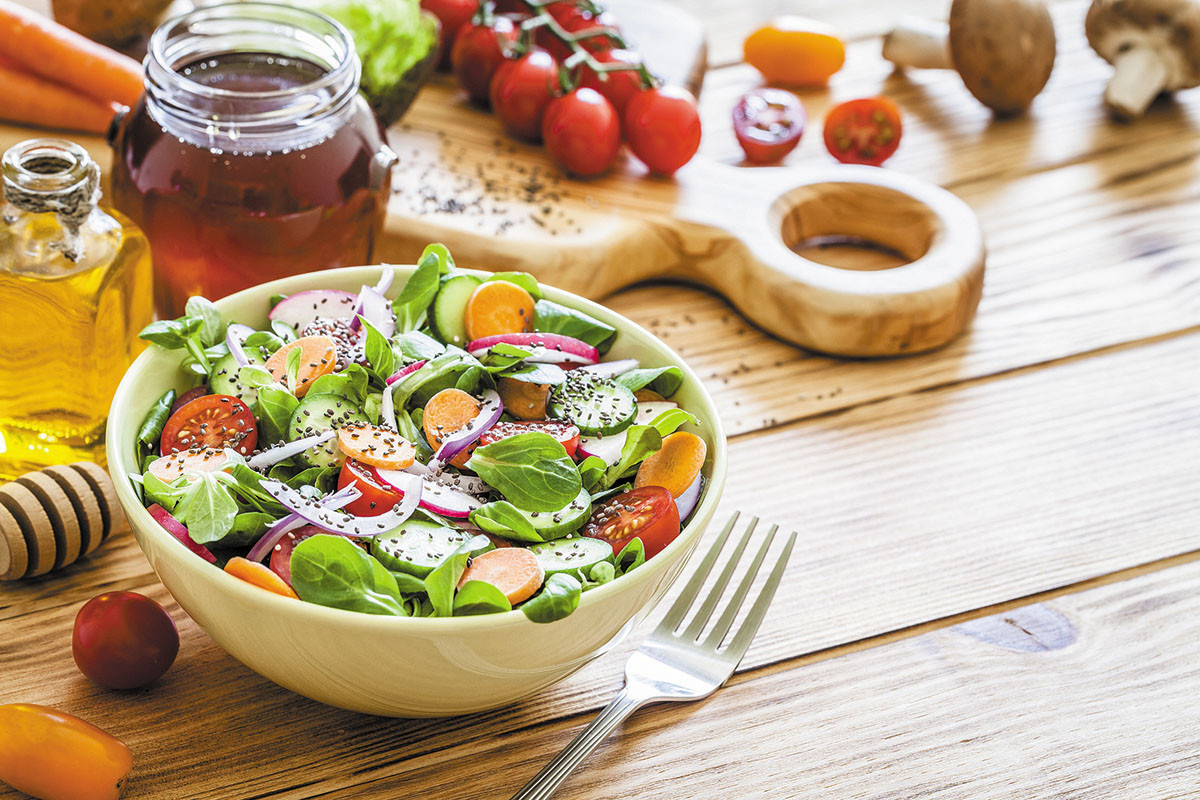
Harvard study: Healthy diet associated with lower COVID-19 risk and severity

Breakthrough: AI and better medicines
Many diseases occur because of defects in particular proteins—the workhorses of every cell. But developing a drug that targets a defective protein requires knowing that protein's shape. Protein shapes have always been difficult to predict. Then in July 2021, a company called DeepMind reported that its software predicted the structures for 98% of human proteins. By the end of 2021, DeepMind says it will publish the shape of 50% of the 280 million nonhuman proteins, up from 0.01%. These breakthroughs are expected to lead to new medicines.

What to do when your blood pressure won’t go down

Holiday health hazards

Thinking about COVID booster shots? Here's what to know
Now that a booster shot is recommended for some people who had COVID-19 vaccines, many of us have questions about the right timing, dose, and type of vaccine to seek.

Thinking about holiday gatherings? Harvard Health experts weigh in
If you are gathering with family or friends during this holiday season there is still a lot of uncertainty around how to help keep everyone as safe as possible from COVID-19 illnesses and hospitalizations, particularly when many people will be traveling. Harvard Health Publishing faculty contributors share their own holiday plans and offer advice for safely enjoying the holidays this year.

Time to stock up on zinc?
As winter approaches, it's time to contend with rising rates of cold and flu. An analysis of studies suggests that over-the-counter zinc supplements may be one way to make cold and flu season a bit easier. But how strong is the evidence and what else could help?

Walnuts: A worthy addition to your daily diet?
Research has found that people who eat nuts regularly are less likely to have heart disease. While all varieties of nuts are full of important nutrients, a two-year randomized trial shows a daily dose of walnuts lowered levels of harmful blood lipids that affect cardiovascular health -- and without adding extra pounds.

What it takes to achieve world-changing scientific breakthroughs
In science, true breakthroughs are rare. Some are the result of fortunate accidents, while others come from scientists with the will to pursue a dream despite challenges and obstacles. And when such breakthroughs do happen –– think of penicillin or COVID vaccines –– the whole world benefits from them.

Do weighted blankets help with insomnia?
Insomnia affects approximately 10% of adults in the United States, and it is common with mental illness. Insomnia is unlikely to get better on its own if not actively treated. Many people are interested in treatment options that do not involve prescription medications, and a study from Sweden investigated the effectiveness of a weighted blanket on insomnia symptoms for people with insomnia and mental health problems.
CoQ10: Should you take this popular supplement if you're on a statin?
Microplastics: A hidden health threat?
Oat vs. dairy milk: Nutrition, benefits, and downsides
What is tempeh? Benefits, nutrition, and how to use it
Healing after food poisoning
Children of centenarians may stay healthier and live longer too, study finds
Light exposure at night may raise risk for heart disease
Whole grains may improve several heart risk factors at once
A lumbar belt may help ease low back pain
Signs of pneumonia: Sometimes vague and unexpected
Free Healthbeat Signup
Get the latest in health news delivered to your inbox!
Sign Up
