

Fatty liver disease: Should you be tested?

Weight-loss drug may lower risk of heart attacks and infections

Testosterone therapy without evidence of deficiency may boost heart risk

Even a little exercise linked with lower stroke risk in people with afib

Antihistamines may not offer meaningful relief from eczema symptoms

What to eat on the DASH diet

Tricep workouts you can do at home

FDA approves first mRNA-based flu vaccine

Migraine: How it's diagnosed and what that means

Mindfulness practices to reduce stress and improve focus
Headache and migraine Archive
Articles

You don't say? The scoop on ice cream headaches
A cold-stimulus headaches, or "brain freeze," happens after a person eats or drinks something very cold. It causes a sharp pain that centers on the forehead and usually lasts several seconds. Taking smaller bites and chewing slowly can ward off this reaction.

Walking for exercise may prevent knee pain
People with knee osteoarthritis may prevent future knee pain and reduce joint damage by walking for exercise.

Getting the most from your remaining years
Following healthy habits like exercising, eating a proper diet, and being socially engaged can help people live a longer, healthier life. Still, the ultimate goal is not simply to live longer, but to enjoy life, which means placing more emphasis on quality of life. How life quality is defined can vary depending on people's goals, but it often revolves around three certain mindsets: having a sense of purpose, focusing on where one wants to devote time and energy, and enjoying the process and journey.


Women more likely than men to show atypical stroke symptoms
A 2022 study found that women are more likely than men to have "generalized" stroke symptoms such as weakness and confusion, in addition to classic signs such as speech or movement problems.

Not-so-sweet slumber
Morning back and neck pain are often triggered by sleep position or poor choice of mattress or pillow. Certain sleep poses, especially stomach-down, can lead to pain by creating misalignment of the spine and other areas of the body. To prevent back and neck pain, people can switch sleep positions frequently, align all body areas when shifting positions, use firmer pillows, consider buying a new mattress, and place a foam wedge under the pelvis or between the legs while sleeping.

Doing multiple types of activities improves cognitive health
Studies have shown that doing any one of certain activities, such as staying physically active and maintaining social ties, helps maintain brain health in older adults. A new study suggests that participating in multiple kinds of these activities, several times a week, may help even more.
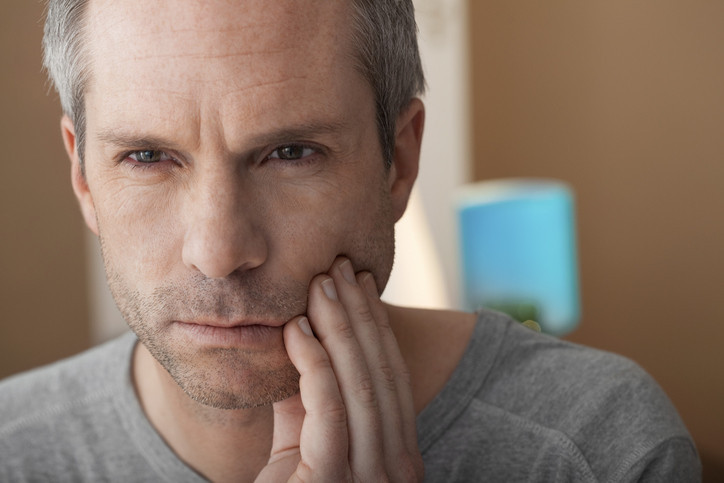
How can I stop grinding my teeth when I'm asleep?
Teeth-grinding during sleep is common. People with the habit may wake up with sore teeth, headache, or earache. Over time, it can lead to broken teeth or jaw pain and clicking. A dentist can create a fitted mouth guard or prescribe muscle relaxants.

The art of monotasking
Science has shown that when people multitask, they become more easily distracted and less productive, score lower on tests for recalling information, and make more errors. Older adults especially struggle with multitasking because aging brains have more trouble blocking distractions. The solution is to monotask by focusing on only one job until it's completed. Methods for monotasking include prioritizing tasks, blocking distractions, and working in intervals.

What's that shoulder sound?
There's no one sound unique to a particular shoulder problem. That makes it hard to know what various shoulder noises are telling you. Possibilities include arthritis; bone breaks; rotator cuff tears; gas bubbles, loose parts, or bone spurs in the shoulder joint; neck problems; and bursitis. It's advisable to investigate shoulder noises if they happen, along with shoulder pain, weakness, or limited movement, or if the sound followed a shoulder injury. It's also smart (though not urgent) to ask a doctor about shoulder sounds that aren't accompanied by other symptoms.
Fatty liver disease: Should you be tested?
Weight-loss drug may lower risk of heart attacks and infections
Testosterone therapy without evidence of deficiency may boost heart risk
Even a little exercise linked with lower stroke risk in people with afib
Antihistamines may not offer meaningful relief from eczema symptoms
What to eat on the DASH diet
Tricep workouts you can do at home
FDA approves first mRNA-based flu vaccine
Migraine: How it's diagnosed and what that means
Mindfulness practices to reduce stress and improve focus
Free Healthbeat Signup
Get the latest in health news delivered to your inbox!
Sign Up
