

Whole grains may improve several heart risk factors at once

Light exposure at night may raise risk for heart disease

Children of centenarians may stay healthier and live longer too, study finds

A lumbar belt may help ease low back pain

Signs of pneumonia: Sometimes vague and unexpected

The surprising link between ovarian cancer and the fallopian tubes

Using a vibration plate: What it can — and can't — do for your body

People who walk more or walk faster live longer, study finds

Rosacea treatments: What works?

For sleep apnea, a dental device may be as effective as CPAP
Exercise and Fitness Archive
Articles

5 steps to long-lasting independent living
Here's how to maintain your current active lifestyle.
Older adults want to enjoy their independent living as long as possible. Yet this can become a challenge as people face more health issues.
"Most life changes that cause older adults to lose some or all of their independence occur either gradually or suddenly," says Dr. Jennifer Rhodes-Kropf, a primary care geriatrician at Harvard-affiliated Hebrew SeniorLife's Center Communities of Brookline, Mass. "You need to stay on top of critical areas that can jeopardize your health and lifestyle."

Rise up for your health
The sit-and-rise test helps assess your physical function.
Try this without touching your hands or knees to the floor: from a standing position, sit on the floor with your legs crossed or straight out. Now stand up again. (This is not an easy movement for many people, so for safety do it with someone next to you.)
How did you do? Did you struggle? Did you need to put your hand or a knee on the ground? Could you not get up?

Understanding acute and chronic inflammation
The right kind of inflammation is essential to your body's healing system. But chronic inflammation can be a problem.
The saying "too much of a good thing" applies to much of life, but especially to inflammation.
"People think inflammation needs to be stomped out at all times, but it plays an essential role in healing and injury repair to keep your body safe and healthy," says Dr. Robert H. Shmerling, medical editor of Understanding Inflammation from Harvard Health Publishing and an associate professor of medicine at Harvard Medical School. "Some inflammation is good. Too much is often bad. The goal is to recognize when inflammation is simply doing its job, and when it can potentially cause problems."

Try these stretches before you get out of bed
Stretching before one gets out of bed has many benefits. It can release the body’s "feel good" chemicals, lubricate the joints, and help people maintain their range of motion. Before stretching, one should move the muscles a little by flexing the joints. This will help get blood flowing to the muscles and make them more amenable to stretching. Any stretch done in bed should be hold for 30 to 60 seconds if possible, without bouncing.


An efficient (and thrifty) way to exercise at home
Get stronger and more fit with just a few props and simple moves.
As the world grapples with the effects of COVID-19, social distancing has become the new normal – at least for now. With gyms, beaches, and parks temporarily closed and people being encouraged to stay at home, it's easy to let your exercise routine fall by the wayside. And working from home or lacking a daily routine can make it hard to keep up with any physical activity at all.
But you can get a good workout in the comfort of your own home, even if you don't have a dedicated workout space or fancy machines. In fact, you don't actually need any props, although a few small dumbbells can come in handy.

Why the human heart thrives with exercise
A study comparing the hearts of apes with four different groups of men demonstrates how the heart adapts over a person’s lifetime depending on what exercise a person does (or doesn’t do). The most revealing part of the findings pertained to men who are generally not active.
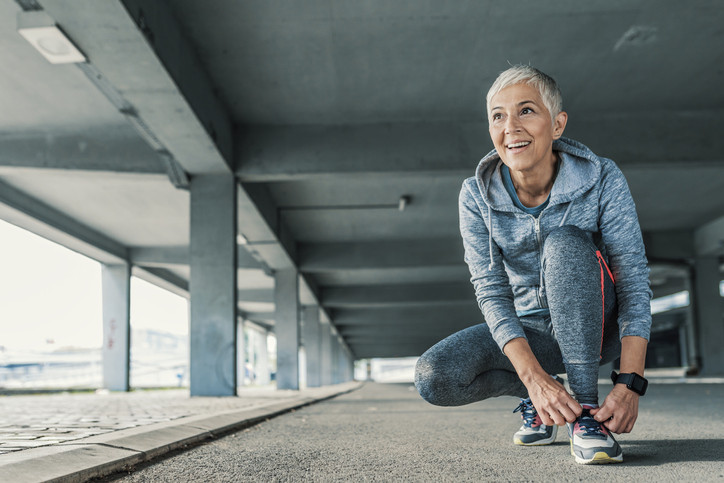
Can short bouts of running lengthen lives?
An analysis of research suggests those who run regularly –– regardless of pace, distance, or amount of time –– are more likely to live longer and have a lower risk of cardiovascular disease or cancer.
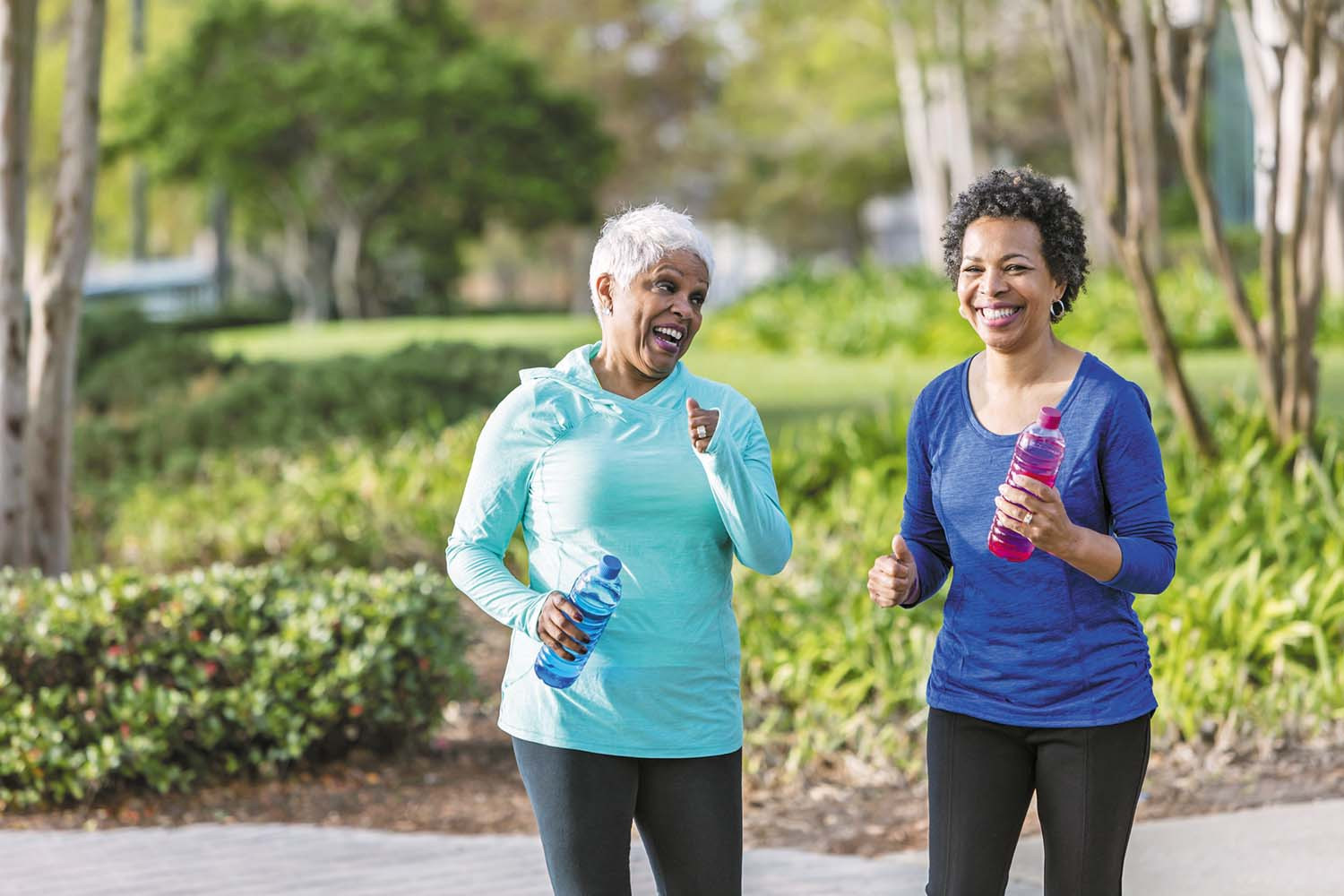
Boredom busters to revamp your exercise routine
Try these simple tips to spice up your workout and keep moving.
Exercise is crucial to good health, but sometimes it's hard to find the motivation to maintain an exercise regimen. Finding the time is one problem. Another is boredom. "Most activity becomes tedious psychologically, even though you know it will benefit you physically," says Michael Bento, a personal trainer at Harvard-affiliated Massachusetts General Hospital.
The solution is finding ways to bust that boredom and stay engaged — or at least distracted.
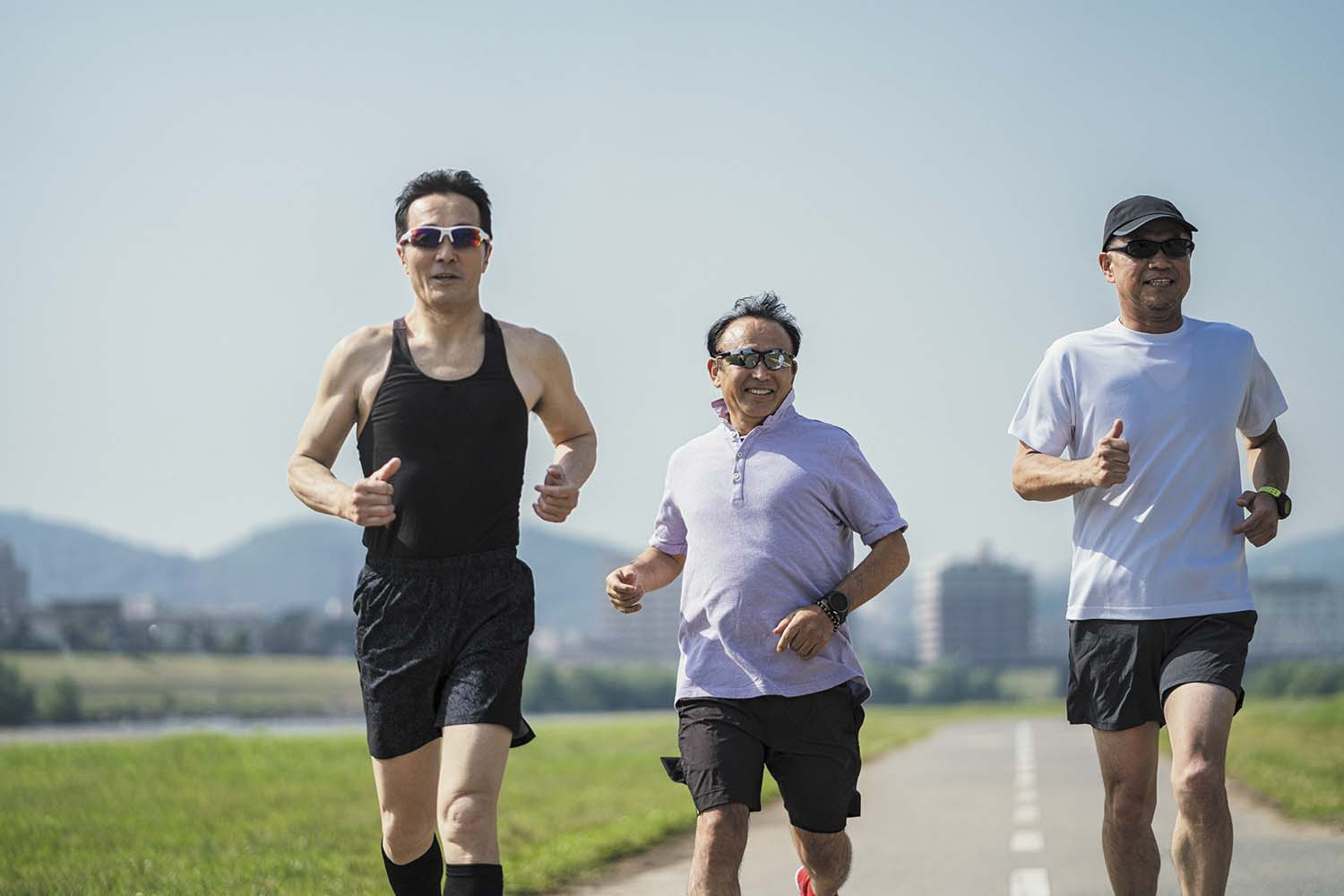
Run for a healthier life
Not a big fan of running? Good news: You don't need to run fast or far to reap its many rewards.
Running is perhaps the oldest form of exercise and one that offers some of the greatest health benefits.
Running has shown to improve heart health, assist with weight loss, and improve mood. Worried about your joints? Some studies have found that running may actually improve the health of aging knees and ease symptoms of osteoarthritis like joint pain and stiffness.
Whole grains may improve several heart risk factors at once
Light exposure at night may raise risk for heart disease
Children of centenarians may stay healthier and live longer too, study finds
A lumbar belt may help ease low back pain
Signs of pneumonia: Sometimes vague and unexpected
The surprising link between ovarian cancer and the fallopian tubes
Using a vibration plate: What it can — and can't — do for your body
People who walk more or walk faster live longer, study finds
Rosacea treatments: What works?
For sleep apnea, a dental device may be as effective as CPAP
Free Healthbeat Signup
Get the latest in health news delivered to your inbox!
Sign Up
