

Healing after food poisoning

What is tempeh? Benefits, nutrition, and how to use it

Light exposure at night may raise risk for heart disease

Whole grains may improve several heart risk factors at once

A lumbar belt may help ease low back pain

Children of centenarians may stay healthier and live longer too, study finds

Signs of pneumonia: Sometimes vague and unexpected

The surprising link between ovarian cancer and the fallopian tubes

Using a vibration plate: What it can — and can't — do for your body

People who walk more or walk faster live longer, study finds
Energy and Fatigue Archive
Articles


3 easy exercises to get you started with strength training
Women often skip muscle-building activities, but they're crucial to your long-term health and independence.
If you're like most American adults who work out regularly, you may squeeze in a daily walk or a quick run, or take a Zumba or aerobics class. But strength-training exercises usually don't make the list.
A 2018 study published in the American Journal of Preventive Medicine found that only about 30% of American adults ages 18 to 80 are doing strength training twice a week, as recommended. And almost 58% of those surveyed said they did none.

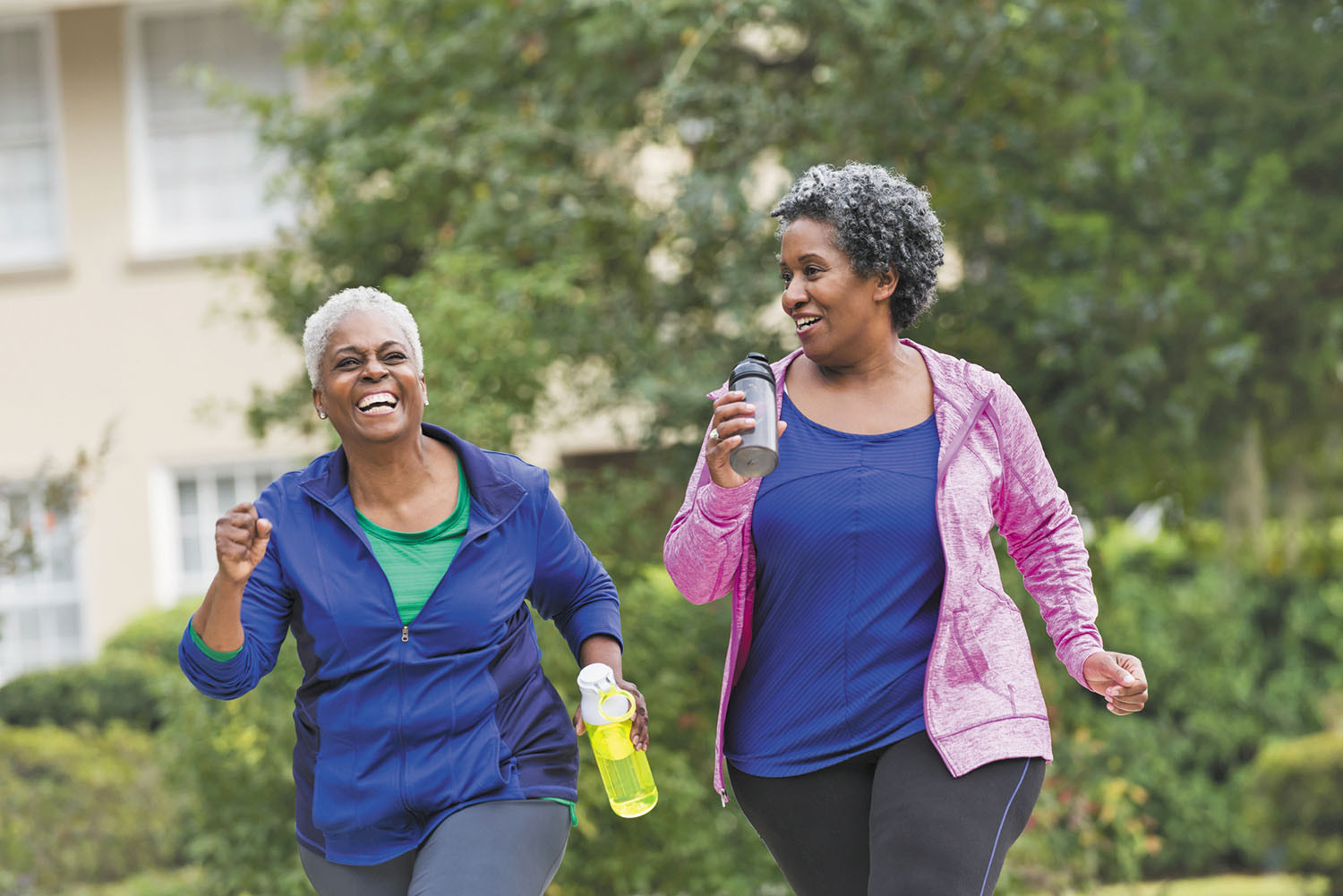
Step up your walking workouts
Whether you're new to walking or a seasoned stroller, here are some ways to boost your routines.
Walking is one of the most straightforward exercises. You just need a good pair of walking shoes, and off you go.
Like any kind of cardio activity, walking can improve your heart health, strengthen your immune system, and help you manage your weight.
Optimize your exercise routine
Whether you're an exercise novice or a gym regular, these tips can help you get the most out of your workout.
When it comes to exercise, timing is everything — but not in the way we normally think about timing. What matters most is making the time to exercise regularly, not when it happens. That said, your personal experience and specific goals may influence what workout schedule works best for you.
"If you're just starting a physical activity routine, any time that you feel motivated and energized enough to exercise is the best time for you," says Dr. Beth Frates, clinical assistant professor of physical medicine and rehabilitation at Harvard Medical School. For some people, that's in the morning; for others, the afternoon works better. But if you can work out with a friend, choose a time that works best for both of you, she suggests. Teaming up with an exercise buddy is more enjoyable, and you can hold each other accountable.
Study finds these shoes are better at keeping knee pain in check
News briefs
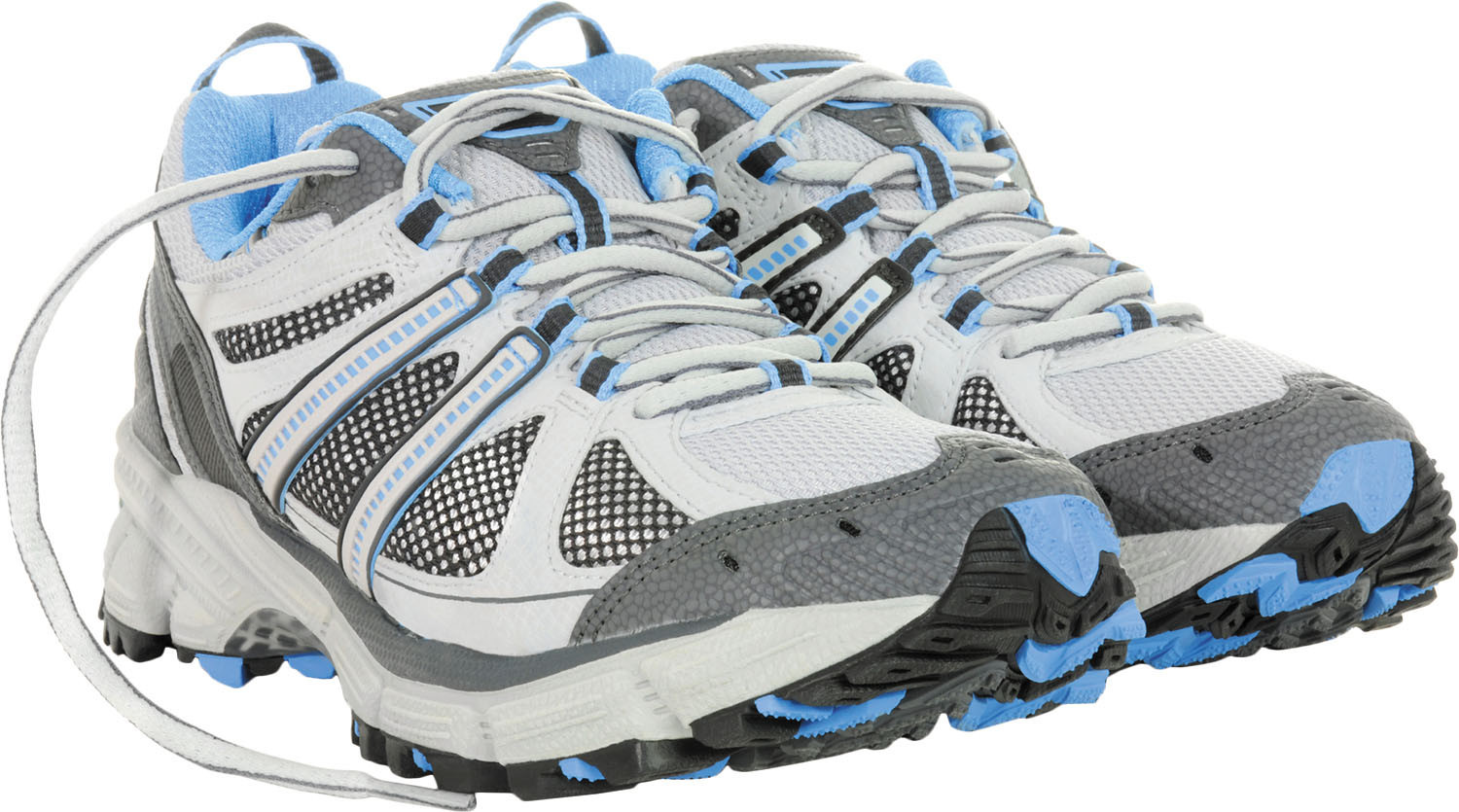
When you have knee pain, you just want it to go away so you can walk without having to limp or wince with every step. And a small, randomized trial published online Jan. 12, 2021, by Annals of Internal Medicine found that one type of shoe might be best for the job. Researchers took 164 people ages 50 or older with moderate or severe knee arthritis and randomly assigned half of the group to wear stable, supportive shoes with thick soles that didn't bend much. The other half was assigned flat shoes with thin, flexible soles, which are believed by some to provide a benefit by allowing more natural movement of the leg and foot. Both groups wore their assigned shoes for six hours per day and took part in activities such as walking during that time. After six months, 58% of people in the stable, supportive shoe group reported a reduction in knee pain while walking, compared with 40% of people reporting pain reduction after wearing the flat, flexible shoes. In both groups, the pain reduction probably was a benefit of regular walking. The people wearing flexible shoes were also twice as likely to develop ankle or foot pain, compared with those wearing sturdy shoes. So if you have knee pain, keep walking — in sturdy shoes.
Image: © chictype/Getty Images

6 ways to maximize lung health
Exercising, avoiding pollutant exposure, controlling weight, and other strategies may help you breathe easier.
You may not know it, but your lungs — like many of your organs — have some backup power to get you through situations that stress your health. This excess capacity, called physiological reserve, helps your lungs weather infection and chronic disease.
Lung reserve is robust when we're young, but it diminishes over time as part of the normal aging process. Smoking or long-term lung diseases such as asthma, chronic bronchitis, or emphysema can accelerate that decline. Diminished reserve makes us more vulnerable to a new or sudden lung problem. "If you get a severe infection and start with lower lung function compared to when you were younger, you have less reserve capacity and you won't tolerate the infection as well," says Dr. Richard Schwartzstein, chief of the Pulmonary, Critical Care, and Sleep Medicine Division at Harvard-affiliated Beth Israel Deaconess Medical Center.

The 3 main options for physical rehabilitation
Inpatient, outpatient, and at-home rehab all aim to restore your function and independence.
Have shoulder pain? Recovering from traumatic illness, surgery, or a bad fall? Your doctor may well recommend physical rehabilitation or physical therapy to get you back to your daily routine and the activities you love. There are several options available, depending on your needs.
1. Inpatient rehab
Inpatient rehab is prescribed after a hospital stay, when you're not well enough to go home. It offers comprehensive care from doctors, nurses, therapists, and other health professionals. There are two types of this rehab.

Can you avoid macular degeneration?
You have the power to reduce certain risk factors for the disease.
We've come a long way in our understanding and treatment of age-related macular degeneration (AMD), the leading cause of vision loss for people ages 50 or older in the United States. We've learned that certain genes and lifestyle factors increase the risk for developing AMD, and discovered treatments that often slow the disease's progression.
Yet for all our advances, we still don't have a guaranteed way to prevent AMD. You are at greater risk if one of your parents had the condition. "One needs to be concerned, but it doesn't mean you're destined to get it. It's a complex disease, and it takes a combination of factors for it to develop," says Dr. Joan W. Miller, chief of ophthalmology at Harvard-affiliated Massachusetts Eye and Ear and ophthalmology chair at Harvard Medical School.

Fight chronic inflammation and cholesterol to protect your heart
It takes a one-two punch to lower these risks for heart disease, heart attack, and stroke.
High cholesterol has long been known as a bad actor in heart health. Too much LDL (bad) cholesterol in your blood can lead to fatty deposits in your arteries and the formation of artery-narrowing plaque (atherosclerosis), heart attacks, and strokes.
But LDL doesn't act alone. Chronic inflammation — a persistent activation of the immune system — also fuels heart attack and stroke risks. That means you must address both high LDL levels and chronic inflammation to protect your health.

Get moving to slow cardiovascular aging
Keep your heart strong and young by giving it a good, regular workout.
Image: © JohnnyGreig/Getty Images
Your heart, like any other muscle, can weaken over time, especially if you are sedentary. As you age and become less active, the muscle in your heart's left ventricle — the chamber that pumps oxygen-rich blood back out to the body — becomes stiffer.
"This change in the heart muscle, coupled with simultaneous stiffening of the body's arteries that leads to high blood pressure, begins a harmful cardiovascular aging cycle," says Dr. Aaron Baggish, director of the Cardiovascular Performance Program at Harvard-affiliated Massachusetts General Hospital. "Without intervention, this sets the stage for heart failure later in life."
Healing after food poisoning
What is tempeh? Benefits, nutrition, and how to use it
Light exposure at night may raise risk for heart disease
Whole grains may improve several heart risk factors at once
A lumbar belt may help ease low back pain
Children of centenarians may stay healthier and live longer too, study finds
Signs of pneumonia: Sometimes vague and unexpected
The surprising link between ovarian cancer and the fallopian tubes
Using a vibration plate: What it can — and can't — do for your body
People who walk more or walk faster live longer, study finds
Free Healthbeat Signup
Get the latest in health news delivered to your inbox!
Sign Up
