

Energy and Fatigue Archive

Articles

Exercise appears to lower atrial fibrillation and stroke risk
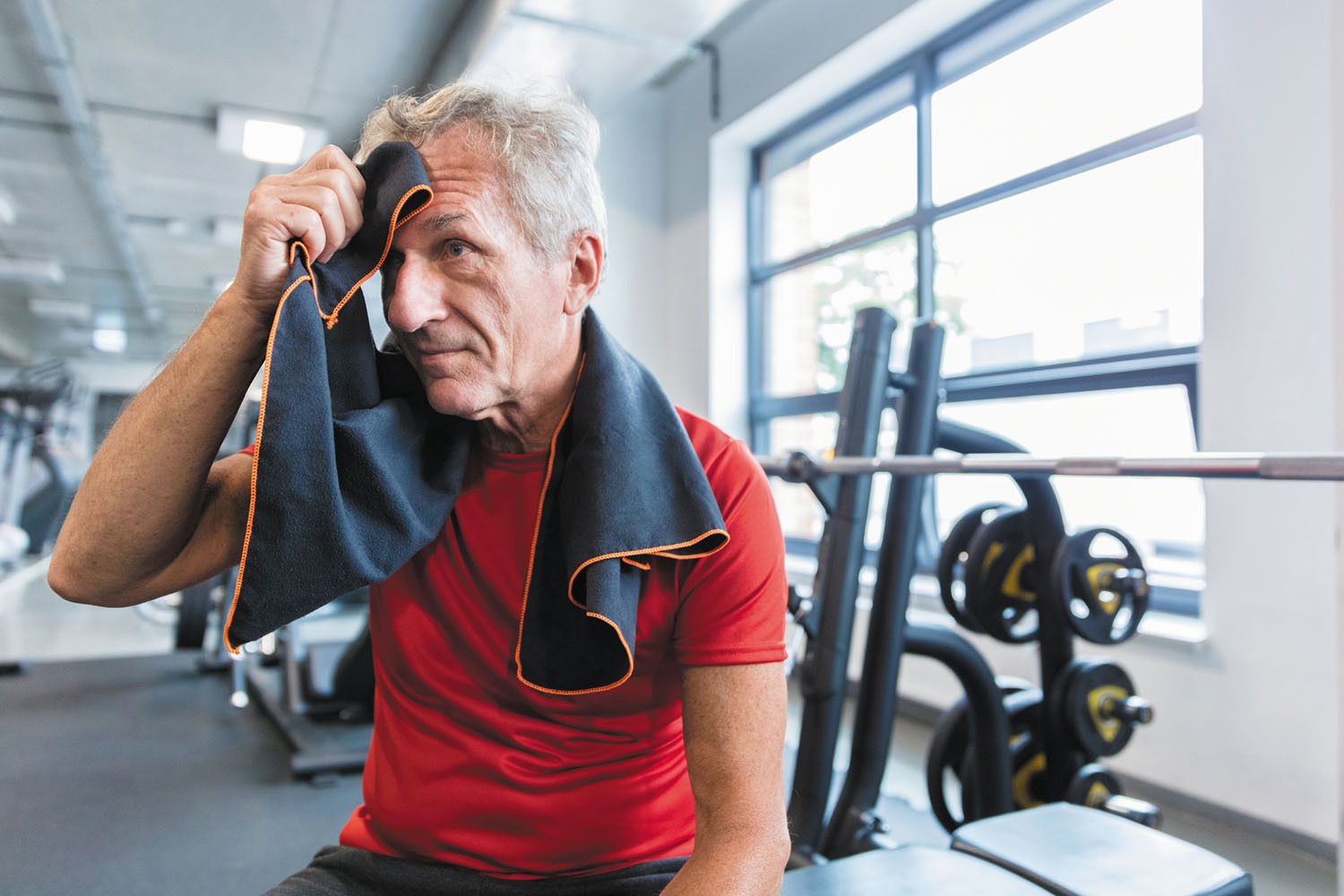
The link between exercise and atrial fibrillation (afib) and stroke prevention is now a little clearer, thanks to a Harvard study. It offers strong evidence that 150 minutes per week of moderate-to-vigorous physical activity is associated with a reduced risk for atrial fibrillation and stroke. Researchers aren’t surprised, since exercise helps the chambers of the heart contract and relax, while being sedentary increases afib and stroke risk. Other ways to ward off afib and stroke include treating sleep apnea, quitting smoking, and drinking only in moderation.

Why am I so tired after exercising?

Overtraining is the point at which people train so hard and for so many hours that recovery does not occur after regular periods of rest. This can lead to post-exercise fatigue. Many health issues also can cause the problem, such as anxiety, depression, an unhealthy diet, or poor sleep. Taking time off and spreading out exercise days often can improve fatigue. If not, see a doctor.

Tai chi offers similar benefits as conventional exercise
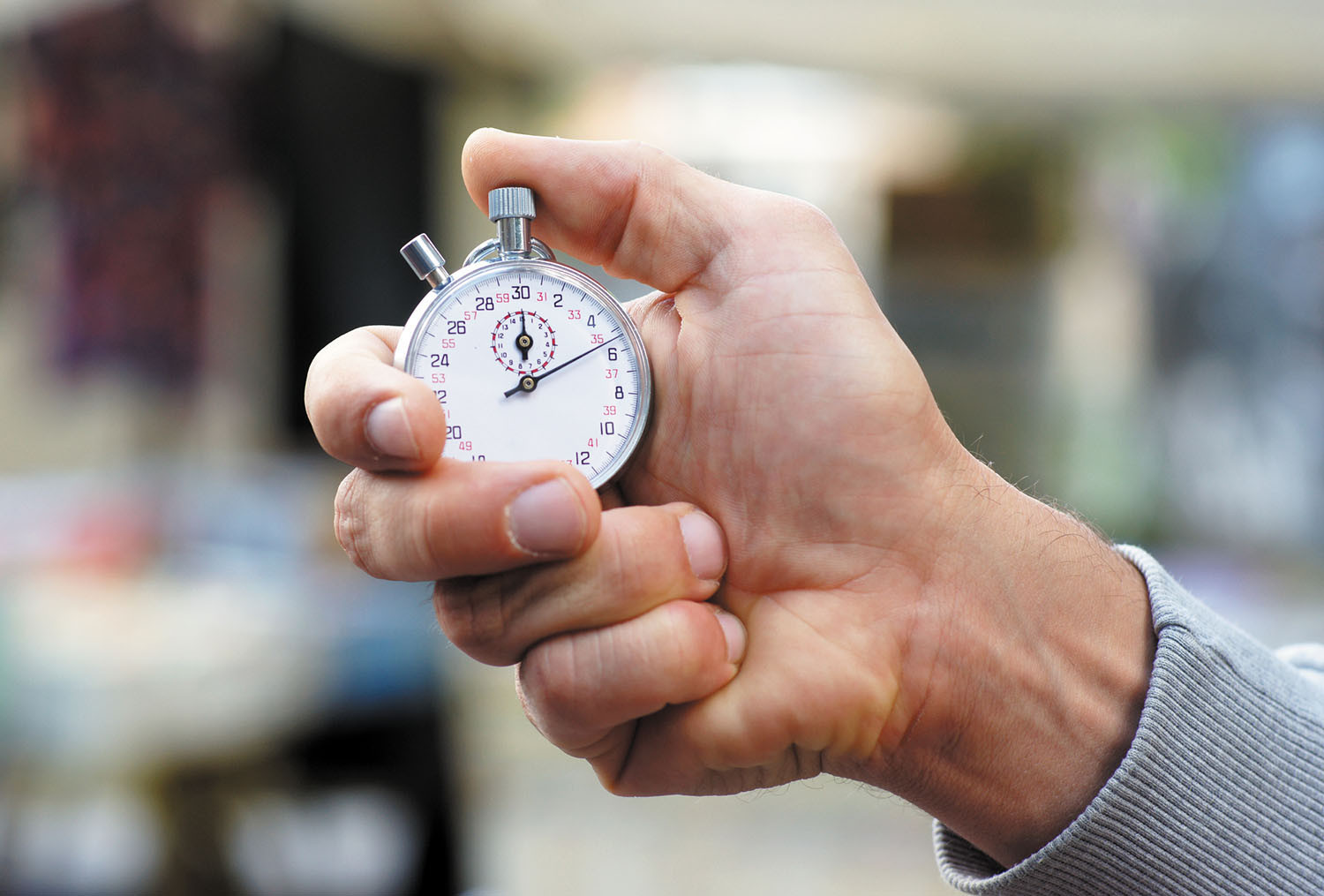
Tai chi helps improve balance and coordination, especially among older adults. Now, a study has shown that the ancient mind-body practice also can offer health benefits similar to conventional exercise like aerobics and strength training.

How low can you go?

Short-duration high-intensity interval training (HIIT) has been shown to have similar—and possibly better—health benefits than longer, lower-intensity exercise. HIIT workouts consist of quick spurts of draining physical effort, followed by rest, repeated multiple times, and usually last from 15 to 30 minutes. Research has found it’s possible to shrink HIIT workouts to five to 10 minutes—known as low-volume HIIT—and still receive benefits. Consistent intensity and attention to form and execution are needed to be effective.

The best types of exercise when you have hip or knee pain

Non-weight-bearing exercise takes the burden off the hips and knees and makes it easier for people with joint pain to exercise. Exercise machines that are gentle on the joints include an elliptical trainer, a stationary bike, and a rowing machine. Low-impact exercises can also provide a good cardio workout and muscle strengthening without stressing the joints. Examples include pool exercises, tai chi, and short walks at a brisk pace.

Exercise challenge: Part 2

Performing exercises such as side planks, bridges, and squats can improve muscle strength. Ideally, people should do weight-bearing exercises at least twice a week. Having stronger muscles improves balance, protects bone health, and can help keep people independent as they age. It can also reduce pain from conditions such as osteoarthritis.

Get SMART about your fitness goals

You are more likely to achieve and maintain your fitness goal if it revolves around a specific purpose or cause in one’s life. This helps you define the structure and direction to adopt the right exercise program to help fulfill it. The SMART approach—Specific, Measurable, Achievable, Relevant, and Timely—helps you define your fitness goal and create a realistic path to achieve it.

Does exercise really boost energy levels?

Exercise can create physical changes that help increase energy levels inside the body. In addition, it can induce better sleep at night, which helps people feel more energetic in the morning.

Coming out of COVID

As Americans begin to slowly move out of the COVID-19 pandemic, they may face old and new challenges. People should use this transition period to prepare mentally and emotionally for a post-COVID world. Steps include planning how to safely return to social gathering, restarting health habits that have fallen away, and addressing mental health issues.

Free Healthbeat Signup

Get the latest in health news delivered to your inbox!

Sign Up
Harvard Health Publishing Logo

Thanks for visiting. Don't miss your FREE 32-page gift worth $29.95.

PLUS, don’t miss out on your 25% off promo code.

Sign up to get tips for living a healthy lifestyle—You’ll discover powerful, research- backed strategies for health longevity drawn from Harvard Medical School experts—ways to eat for a longer life, build strength and flexibility to stay independent, protect your bones, heart, and brain as you age, and even cultivate the habits linked with “super-agers” who stay sharp and active well into their 80s and 90s—all delivered to your email box FREE.

Harvard Health Publishing Logo

Stay on top of latest health news from Harvard Medical School.

Plus, get a FREE copy of Living Longer, Living Well!.

Harvard Health Publishing Logo

Stay on top of latest health news from Harvard Medical School.

Plus, get a FREE copy of Living Longer, Living Well.








