

Whole grains may improve several heart risk factors at once

Light exposure at night may raise risk for heart disease

Children of centenarians may stay healthier and live longer too, study finds

A lumbar belt may help ease low back pain

Signs of pneumonia: Sometimes vague and unexpected

Using a vibration plate: What it can — and can't — do for your body

The surprising link between ovarian cancer and the fallopian tubes

People who walk more or walk faster live longer, study finds

Rosacea treatments: What works?

For sleep apnea, a dental device may be as effective as CPAP
Diseases & Conditions Archive
Articles

Who's on your diabetes health care team?
Someone with a new diagnosis of diabetes might feel overwhelmed by the many strategies required to help control the disease. It helps to add several experts to the care team. Soon after a diagnosis, it's a good idea to schedule appointments with a dietitian, an eye doctor, an endocrinologist, and a certified diabetes educator. It's also helpful to add other experts as needed to the team, such as a physical therapist, a podiatrist, a social worker or an aging life care manager, and a certified health coach.
Stroke odds lower for women with higher brain health scores
A 2025 study suggests that women who score highly on a brain health measurement incorporating physical, lifestyle, social, and emotional factors face lower stroke odds.

A look at nail problems
Toenail fungus, ingrown toenails, and brittle or cracked fingernails are common nail problems that affect older adults. They can make hands and feet unsightly and sometimes even painful. Treating these problems and preventing them from returning often takes a trial-and-error approach, diligence, and patience. Strategies include a combination of home remedies, over-the-counter medication, and good hygiene and grooming habits.

Why does the flu cause body aches?
The flu virus triggers bodywide aches and pain by causing inflammation. People can ease flu aches by staying hydrated; taking warm showers; and using over-the-counter anti-inflammatory drugs such as ibuprofen (Advil, Motrin) or naproxen (Aleve).
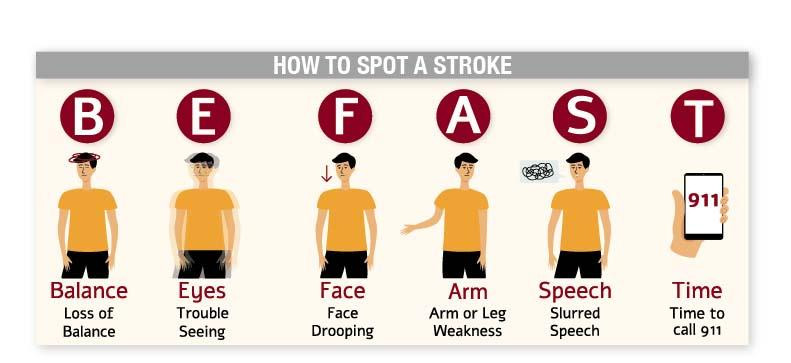
Brief brain attacks: Short symptoms, long consequences
A 2025 study finds that a first-time transient ischemic attack (TIA) can lead to the same long-term decline in thinking and memory problems as a full-blown stroke. Experts suggest cognitive testing after a TIA. People who have TIAs should take extra care to address risk factors for heart attack and stroke, such as high blood pressure and high cholesterol. Exercising regularly and staying socially active may help ward off cognitive decline.

What's involved with hand therapy
Hand therapy is an effective way to overcome lost hand function due to injuries or underlying conditions. A course of therapy typically lasts for six weeks. It involves working with a certified hand therapist (CHT) who can develop and then guide someone through a tailored program of physical and functional exercises. CHTs also can make splints, offer emotional support, and help people learn to manage hand pain and swelling. It's best to start hand therapy before an injured hand has healed completely.
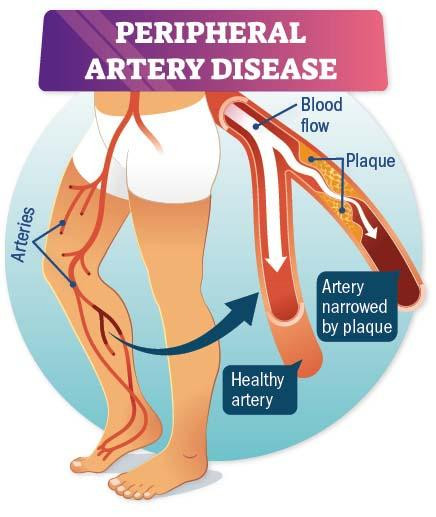
A new approach to peripheral artery disease
A 2025 randomized controlled trial found that GLP-1 receptor agonists, the blockbuster drugs approved to treat diabetes and obesity, boosted the walking ability of people with diabetes and peripheral artery disease (PAD) in the legs. The news is encouraging, since there are few effective treatments for PAD-reduced blood flow in the limbs that leads to pain with activity. However, it will take more evidence before doctors feel comfortable prescribing GLP-1s if a person only has PAD.

When vision problems are actually migraine attacks
Two kinds of migraine involve visual disturbances, such as strange, flickering light patterns. One type is migraine with aura, caused by brain activity. The other is ocular migraine, caused by blood vessel problems in the eye. The attacks may or may not be accompanied by a headache. Drugs called triptans might help soothe migraine with aura. Doctors don't have a way to stop an ocular migraine attack as it's occurring. For many people, the only way to cope is resting and waiting until the symptoms go away.

Is there finally a way to measure tinnitus?
Havard researchers have identified biomarkers that appear to capture tinnitus severity for the first time. Scientists made the connection after analyzing the facial responses and pupil dilation of study participants as they listened to pleasant, neutral, or unpleasant sounds. The findings, when fed to a computer model, accurately predicted the severity of symptoms participants had reported on questionnaires. Scientists hope the biomarkers will lead to tools that gauge tinnitus severity and treatment effectiveness.

Is it really GERD?
In gastroesophageal reflux disease (GERD), stomach acid washes backward into the esophagus. This can cause symptoms such as heartburn, an acidic or metallic taste in the mouth, hoarse voice, chest pain, dry cough, post-nasal drip, or trouble swallowing. Symptoms can overlap with those of several other conditions. These include hiatal hernia, functional dyspepsia, eosinophilic esophagitis, esophageal spasms, or heart attack. Distinguishing GERD from other conditions may involve various tests, including an endoscopy to view the esophagus lining.
Whole grains may improve several heart risk factors at once
Light exposure at night may raise risk for heart disease
Children of centenarians may stay healthier and live longer too, study finds
A lumbar belt may help ease low back pain
Signs of pneumonia: Sometimes vague and unexpected
Using a vibration plate: What it can — and can't — do for your body
The surprising link between ovarian cancer and the fallopian tubes
People who walk more or walk faster live longer, study finds
Rosacea treatments: What works?
For sleep apnea, a dental device may be as effective as CPAP
Free Healthbeat Signup
Get the latest in health news delivered to your inbox!
Sign Up
