

Signs of pneumonia: Sometimes vague and unexpected

Using a vibration plate: What it can — and can't — do for your body

The surprising link between ovarian cancer and the fallopian tubes

People who walk more or walk faster live longer, study finds

For sleep apnea, a dental device may be as effective as CPAP

Rosacea treatments: What works?

Carb cycling: What is it, and does it work?

Salmonella, E. coli, Cyclospora, and other germs that cause food poisoning: What you need to know

Melatonin or magnesium: Can either supplement help you sleep?

Understanding orthorexia: Have your healthy eating goals gone too far?
Diseases & Conditions Archive
Articles
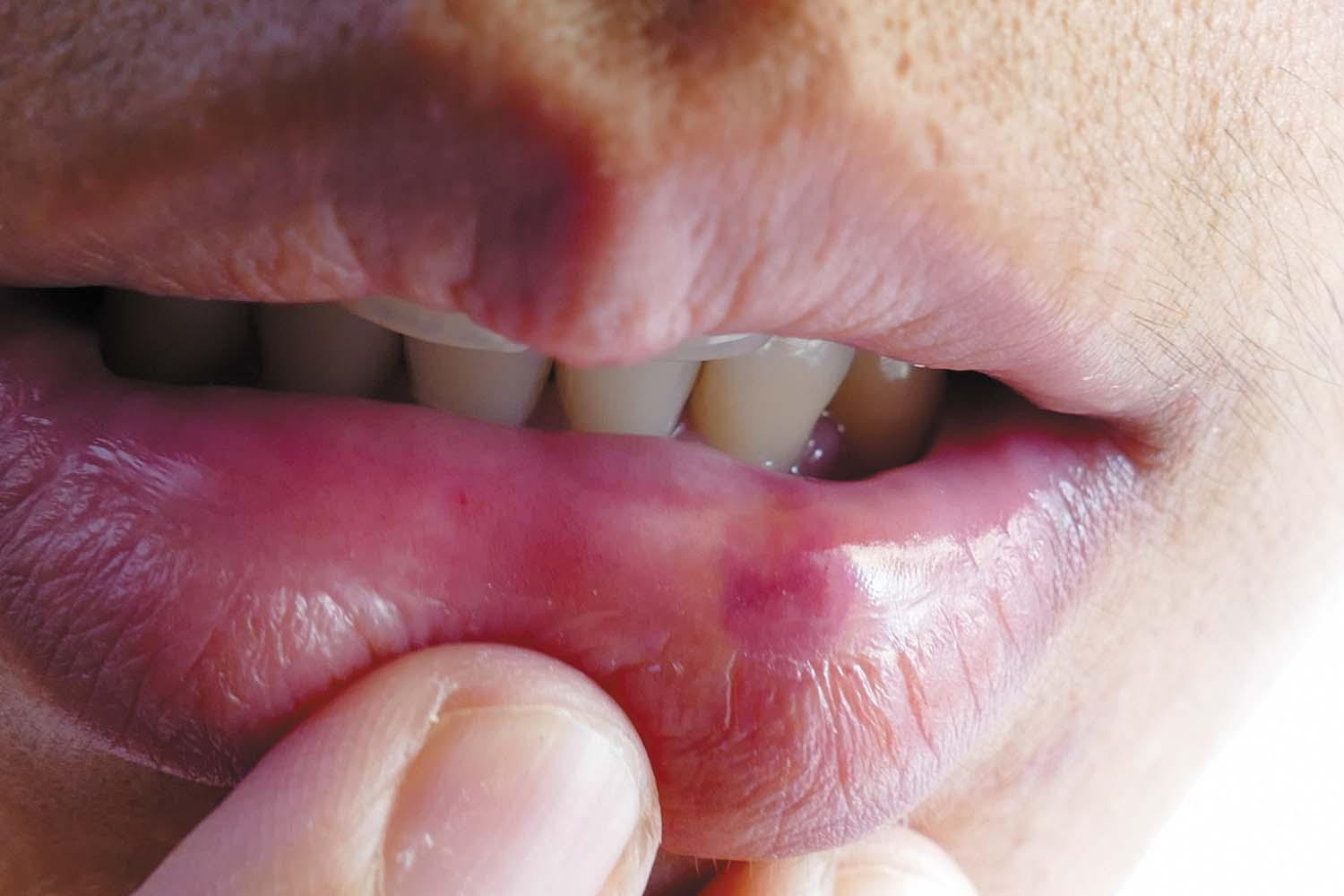
Burning mouth syndrome: The scorching reality
Burning mouth syndrome affects about 2% of people, with women up to seven times more likely than men to be diagnosed. Symptoms include burning sensations in the lips, mouth, or throat as well as stabbing pain, tingling, a sour or metallic taste, or the sense that something is crawling inside the mouth. Women's hormone dips during perimenopause and beyond may play a role in the condition, and stress and anxiety are also considered risk factors. To confirm the diagnosis, doctors must first rule out other potential causes of symptoms.
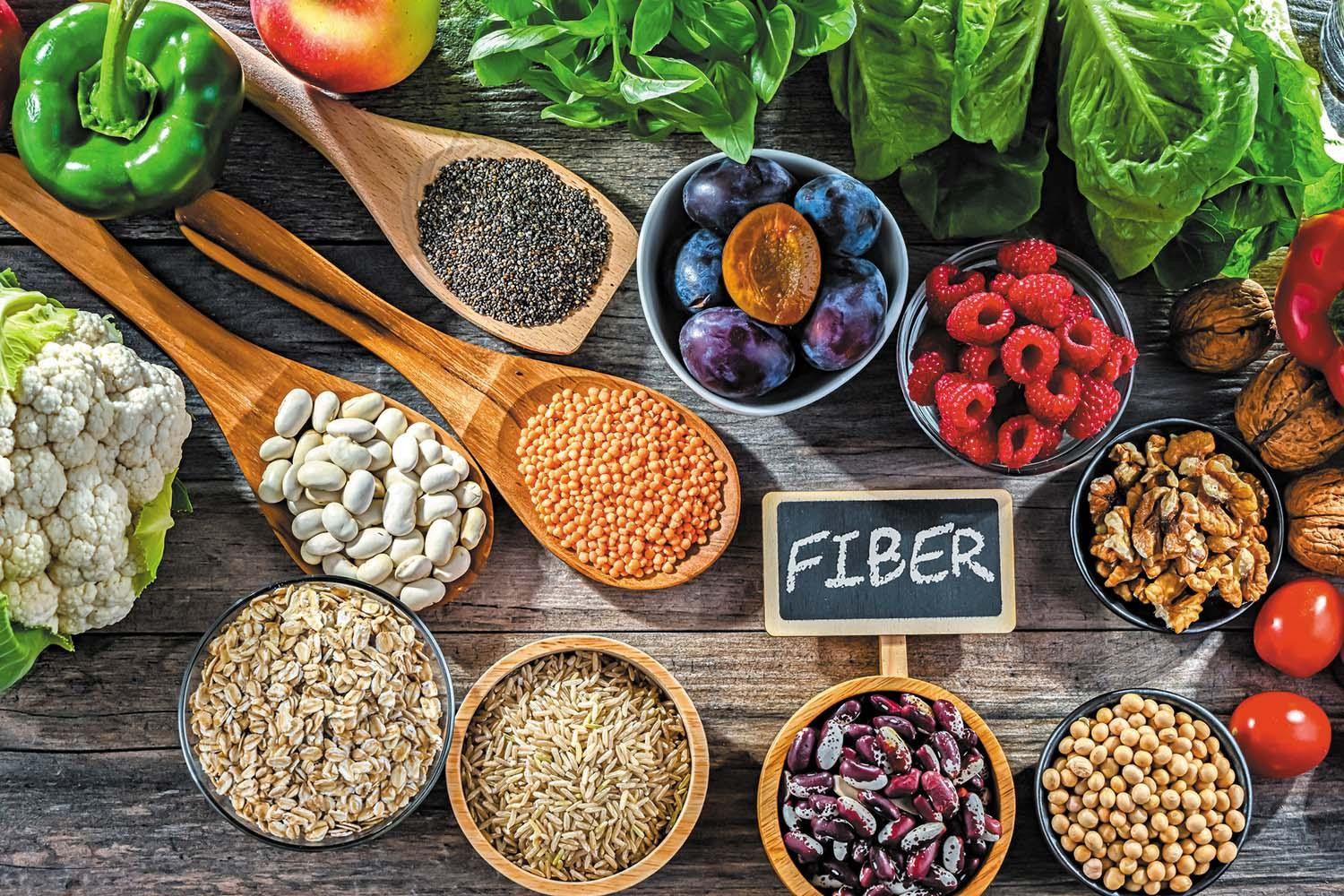
Fiber-rich diets may lower the risk of stroke
People whose average daily diets included at least 18 grams of fiber were less likely to have a stroke than those who ate less fiber, according a 2025 study.

What is essential tremor?
Essential tremor is marked by involuntary shaking of one or more body parts, such as the hands, arms, legs, or head. Avoiding caffeine and stress and getting plenty of rest can be helpful. Several medications are available to ease the symptoms.
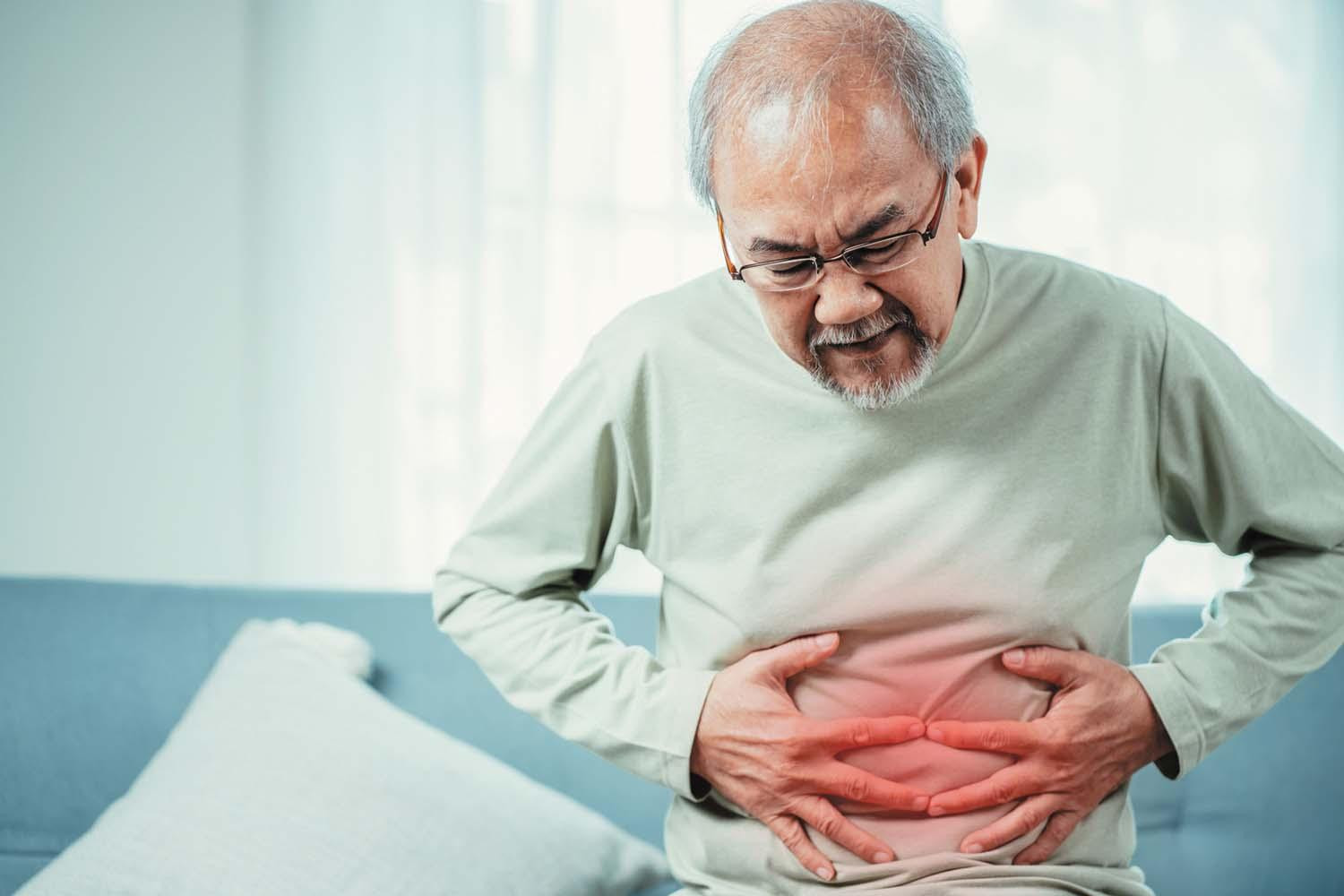
Letting the air out of bloating
The digestion process slows as one ages, causing digested food to take its time moving along the gastrointestinal tract from the stomach through the intestines. The longer food stays in the digestive tract, the more opportunity there is for gas to be produced and build up, resulting in bloating. Recurrent bloating also can be caused by people's reactions to certain foods, especially those that contain sugars called FODMAPs. Adjusting one's diet to avoid trigger foods and taking over-the-counter remedies can help prevent and manage problem bloating.
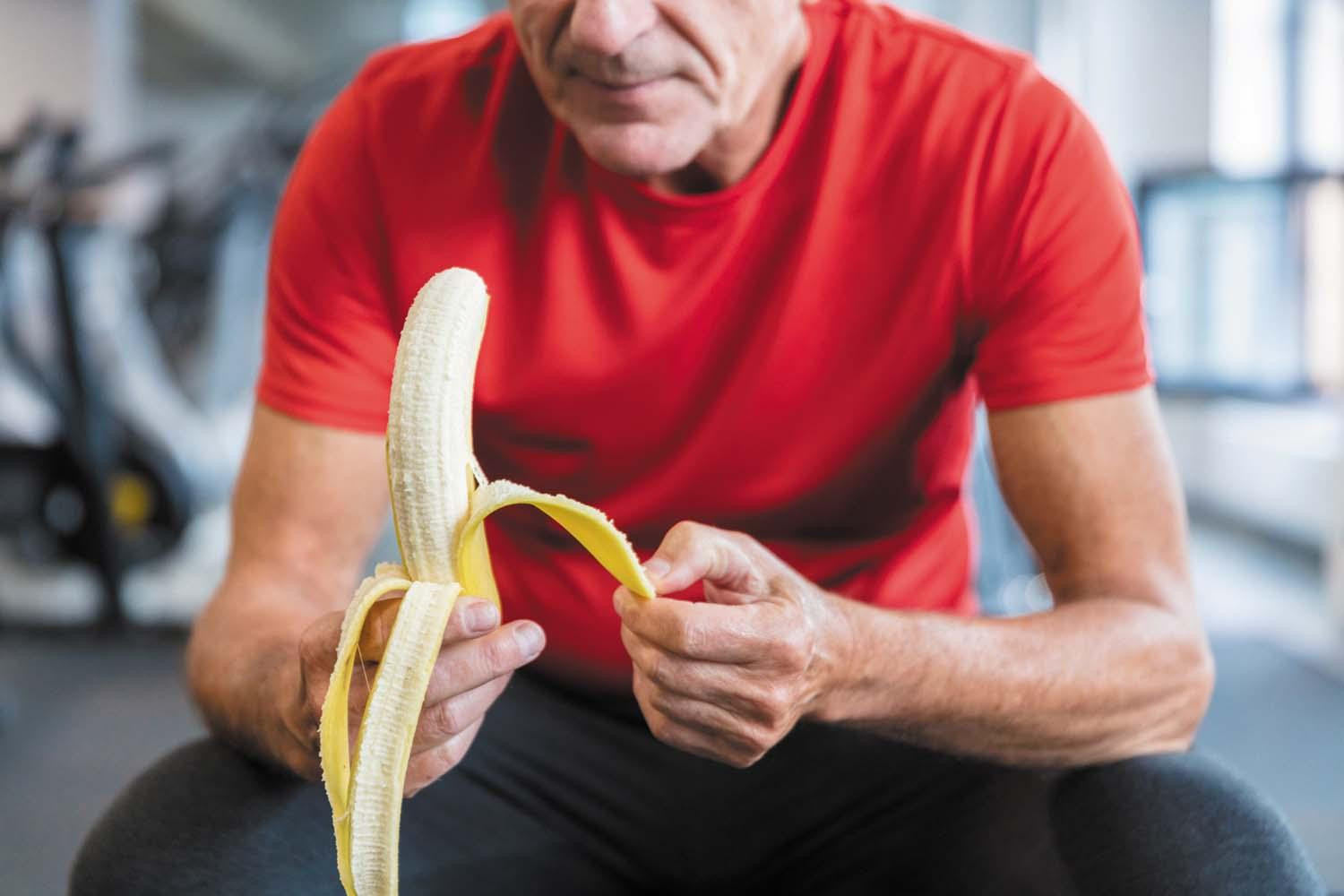
Raising potassium intake might lower high blood pressure
Increasing potassium levels while lowering sodium may be more effective in lowering high blood pressure than reducing dietary salt alone, particularly for men, according to a 2025 study.

Diabetes and obesity drug shows promise for fatty liver disease
Semaglutide, a GLP-1 agonist used to treat diabetes and obesity, may also help people with metabolic dysfunction-associated steatohepatitis, a severe stage of fatty liver disease, suggests a 2025 study.


My calcium score is over 2,000. What's next?
People with very high calcium scores (over 1,000) have a risk of heart attack or stroke similar to those who have already had a heart attack. They should take cholesterol-lowering drugs to bring down LDL levels and possibly undergo additional testing.

Is wooziness a serious warning sign?
Wooziness is often just a passing episode of lightheadedness. But it might signal something very serious, such as a stroke or heart attack. When wooziness occurs, one should sit or lie down for a few minutes, rest, and have a drink of water or juice. If wooziness eases, it's best to report the episode to your doctor. If lightheadedness hasn't improved or if it's accompanied by other symptoms, such as chest pain, trouble speaking, or weakness or numbness on one side of the body, call 911 immediately.

Kidney stones: From agony to action
Kidney stones are increasingly common among Americans. Made of minerals and acid salts in the urine, the hard deposits cause symptoms when they get stuck in the ureter, the tube that leads to the bladder. Symptoms include excruciating pain, blood in the urine, nausea, vomiting, fever, and chills. Risk factors for kidney stones include low fluid intake, family history, pregnancy, obesity, high blood pressure, gastric bypass surgery, and eating foods high in salt or sugar. Most kidney stones pass on their own, but treatments can retrieve or destroy the stones.
Signs of pneumonia: Sometimes vague and unexpected
Using a vibration plate: What it can — and can't — do for your body
The surprising link between ovarian cancer and the fallopian tubes
People who walk more or walk faster live longer, study finds
For sleep apnea, a dental device may be as effective as CPAP
Rosacea treatments: What works?
Carb cycling: What is it, and does it work?
Salmonella, E. coli, Cyclospora, and other germs that cause food poisoning: What you need to know
Melatonin or magnesium: Can either supplement help you sleep?
Understanding orthorexia: Have your healthy eating goals gone too far?
Free Healthbeat Signup
Get the latest in health news delivered to your inbox!
Sign Up
