

People who walk more or walk faster live longer, study finds

Rosacea treatments: What works?

For sleep apnea, a dental device may be as effective as CPAP

Carb cycling: What is it, and does it work?

Understanding orthorexia: Have your healthy eating goals gone too far?

Melatonin or magnesium: Can either supplement help you sleep?

Salmonella, E. coli, Cyclospora, and other germs that cause food poisoning: What you need to know

Naturally gluten-free foods

Harvard study: Healthier fats linked to longer life after prostate cancer diagnosis

Shingrix shingles vaccine linked with lower heart disease risks
Diseases & Conditions Archive
Articles

Should adult kids get a COVID-19 test before a visit home?
Ask the doctor
Q. Should I make my kids get tested for COVID-19 before they come to visit me?
A. As we go to press, in most communities in the United States and Europe, the virus still is widespread — particularly among young adults. Many young adults who become infected do not develop symptoms, and therefore may not suspect they are infected. Worse, they may be shedding the virus and able to infect others. Older people are more vulnerable to becoming severely ill from the virus than young adults (although some young adults and even children can become very ill). So if my kids had symptoms that might indicate they had COVID-19, I'd ask them not to come. If they had no symptoms but were living in a "hot spot," I'd ask them to get tested before they traveled — and not to visit if they tested positive. I would hate not to see the kids, but it's a sacrifice we have to make until we control the virus.

Bad habits come in pairs
Your partner's flawed health behaviors may be harming your heart.
It's been said that the longer couples stay together the more they look alike. As it turns out, the resemblance may be more than skin-deep. A study published online Oct. 26, 2020, by JAMA Network Open found that couples' health behavior and heart disease risk factors also look alike — for better or worse.
"We know, even from personal experience, that couples share similar behaviors that can affect health, but it was surprising to find the high levels of shared unhealthy behaviors within couples," says the study's lead author, Dov Shiffman, a senior scientific fellow at the medical testing company Quest Diagnostics.

5 action steps for quitting an addiction
Because change is so difficult, it's useful to have a guide when attempting to kick an addiction to drugs, alcohol or behavior. Research shows that the following steps can help you move toward your recovery goals. You have the greatest chance of success if you adopt all five steps.
1. Set a quit date. It might be helpful to choose a meaningful date like a special event, birthday, or anniversary.

Googling "chest pain" during the COVID-19 pandemic
Research we're watching
Google searches for "chest pain" spiked in March and April of 2020 during the initial sharp rise in COVID-19 infections, according to a new study. The findings suggest that people were attempting to self-diagnose heart attacks — and may explain why fewer people sought treatment for heart attacks in hospitals during the pandemic.
The study relied on Google Trends, a tool that monitors search term queries over time. The authors looked at searches for "chest pain" and five control terms — "toothache," "abdominal pain," "knee pain," "heart attack," and "stroke" — from January 2017 through May 2020. Searches for chest pain (a common symptom of heart attack but not COVID-19) spiked in states with high rates of COVID-19 infection (New York, New Jersey, and Illinois), while searches for other terms stayed steady.

Get FITT to better fight heart disease
If you've been diagnosed with heart disease, the FITT approach can reduce your risk for heart attack and stroke.
About half of all Americans have at least one of the key risk factors for heart disease, such as high cholesterol, high blood pressure, and excess weight.
You can address those risks with a heart-healthy diet and medications to lower blood pressure and cholesterol levels. But perhaps the biggest boost you can give your heart is regular aerobic exercise.

Artificially sweetened drinks: No heart health advantage?
Research we're watching
Think you're doing your heart a favor by drinking diet instead of regular soda? That may be wishful thinking, according to a research letter published Nov. 3, 2020, in the Journal of the American College of Cardiology.
Researchers studied nearly 105,000 people who filled out three 24-hour dietary recall surveys every six months. During a 10-year follow-up, researchers tracked the participants' cardiovascular health.
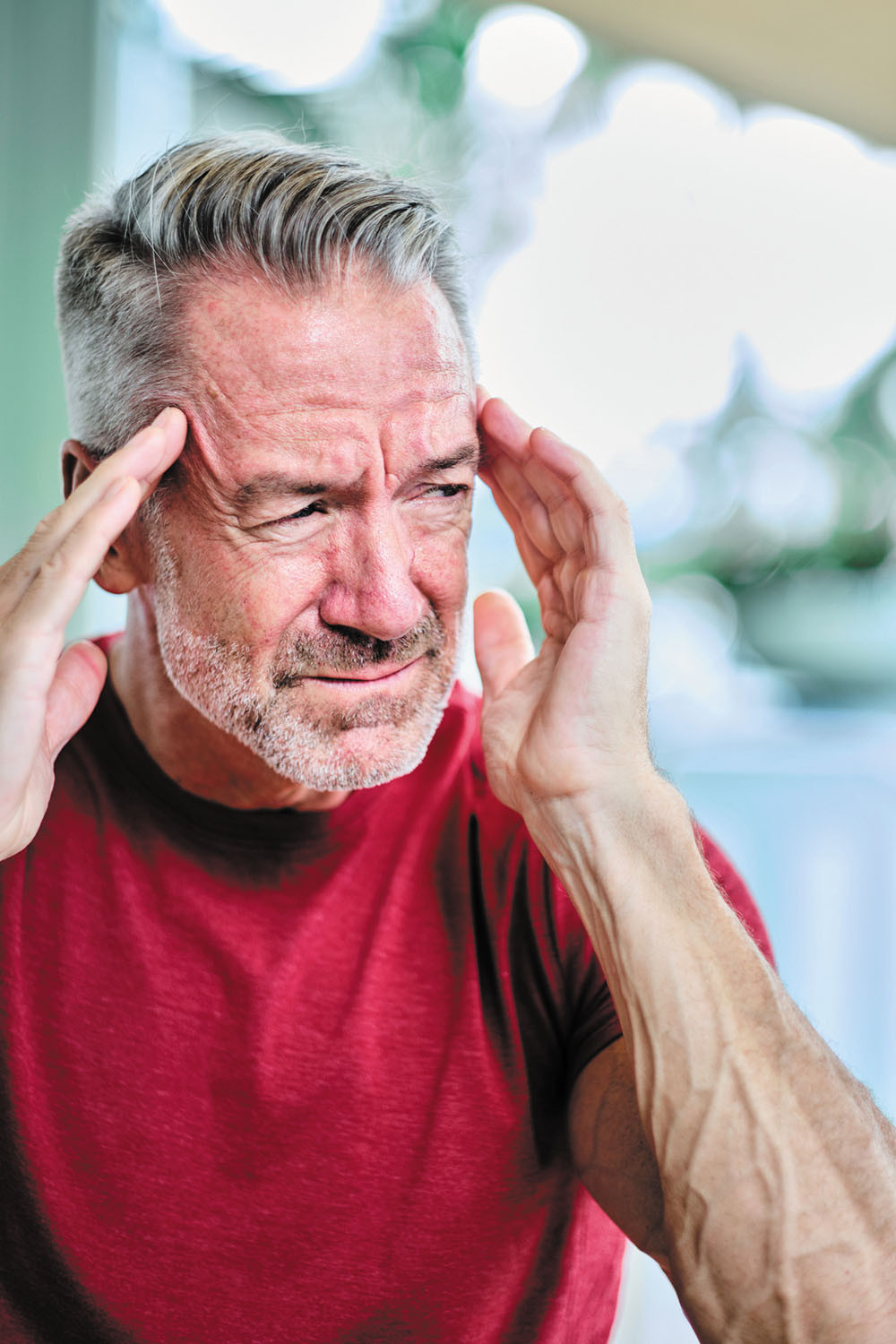
What are the long-lasting effects of COVID-19?
Ask the doctor
Q. I read that the death rate from COVID-19 is going down, but that people who recover from the infection still can remain sick for a long time. Is that true?
A. It is true, but we don't yet know how big the problem is: COVID-19 has been with us for only a year, and there hasn't been enough time to know the long-term effects.

Why am I itchy all over?
The potential causes may be hard to pin down. Here are some of the most common ones — and what to do about them.
Sometimes it's easy to know why a particular part of your body is itchy. Maybe you have a bug bite, allergies, or a visible skin condition such as eczema. It's harder to know the cause when there's nothing obvious behind all-over, generalized itching. "It's the most common skin complaint in people over age 65," says Dr. Kenneth Arndt, a dermatologist and former medical editor of the Harvard Special Health Report Skin Care and Repair.
Potential causes
Generalized itching has many potential triggers. One is aging. "The skin barrier doesn't work as well as it used to, and things that may not have irritated you before may now be absorbed in the skin and cause itching," Dr. Arndt explains. "The skin also develops a somewhat impaired immune response, a reduction in fat and blood flow, and altered sensory perception, making it more prone to itching."

What to expect after COVID
Experts say that while there are many unknowns about long-term COVID effects, it's hoped that more information will be available soon.
A growing number of Americans have now experienced a bout of COVID-19, and doctors are only just beginning to learn more about the aftereffects of the infection.
"Reports are coming out describing long-term lung effects — which is not surprising, as scarring may occur and cause permanent impairment — and also of neurological, cardiovascular, and kidney effects," says Dr. David Christiani, a professor of medicine at Harvard Medical School and a pulmonary physician at Massachusetts General Hospital.

Shingles: What triggers this painful, burning rash?
If you have chickenpox as a child, the virus stays in your body, and can emerge later in life as a painful, burning rash called shingles. It’s not fully understood what triggers a resurgence of the virus, but factors that weaken the immune system increase the risk of developing shingles, and it is more common in people over age 60.
People who walk more or walk faster live longer, study finds
Rosacea treatments: What works?
For sleep apnea, a dental device may be as effective as CPAP
Carb cycling: What is it, and does it work?
Understanding orthorexia: Have your healthy eating goals gone too far?
Melatonin or magnesium: Can either supplement help you sleep?
Salmonella, E. coli, Cyclospora, and other germs that cause food poisoning: What you need to know
Naturally gluten-free foods
Harvard study: Healthier fats linked to longer life after prostate cancer diagnosis
Shingrix shingles vaccine linked with lower heart disease risks
Free Healthbeat Signup
Get the latest in health news delivered to your inbox!
Sign Up
