

Even a little exercise linked with lower stroke risk in people with afib

Testosterone therapy without evidence of deficiency may boost heart risk

Weight-loss drug may lower risk of heart attacks and infections

What to eat on the DASH diet

Migraine: How it's diagnosed and what that means

Tricep workouts you can do at home

Mindfulness practices to reduce stress and improve focus

Antihistamines may not offer meaningful relief from eczema symptoms

Overweight and taking blood pressure medications: Study finds it's a trend that's working

FDA approves first mRNA-based flu vaccine
Dietary patterns Archive
Articles

Mediterranean diet: Good for your mind and your heart
Plant-based compounds known as polyphenols are plentiful in the Mediterranean diet, which may explain its health benefits. |
Extra-virgin olive oil and nuts seem to contribute to the benefits.

Can you eat your way to brain health?
A heart-healthy lifestyle is strongly associated with better memory and lower risk of Alzheimer's disease.
The health press is full of claims that "superfoods"—like fresh berries and leafy greens—can keep your memory sharp and hold the threat of Alzheimer's disease at bay. But for now, the evidence is preliminary at best. Your safest bet is to lead an overall heart-healthy lifestyle—including eating a plant-based diet and getting regular exercise—rather than drawing up a shopping list of alleged brain-boosting superfoods.
How to sneak in more dietary fiber
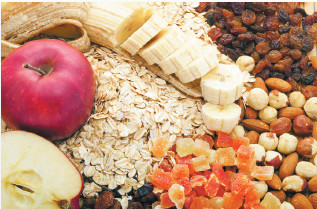
A fiber-rich diet includes a variety of fruits, vegetables, and whole grains. Image: Thinkstock |
Meeting fiber goals improves overall nutrition and helps with regularity, even without dramatic dietary changes.
Add more nutrient-dense foods to your diet
Foods such as kale, cantaloupe, and quinoa can boost the amount of nutrients you consume without increasing calories.
Getting enough nutrients through diet is challenging as we age. Our bodies don't absorb nutrients as well as they once did, yet we tend to need fewer calories and eat less. So it's important to make the most out of the foods we do eat. One way is by choosing more nutrient-dense foods, which provide more nutrition bang for the calorie buck. "They contain an abundance of nutrients and other healthful substances—vitamins and minerals, fiber, lean protein, and unsaturated fats—but are not excessive in calories. This is compared with foods of low nutrient density that are high in calories," says Liz Moore, a registered dietitian at Harvard-affiliated Beth Israel Deaconess Medical Center.

Sugary drinks may raise levels of harmful blood fats
Drinking sodas and other beverages sweetened with high-fructose corn syrup may boost levels of harmful LDL cholesterol and triglycerides in your blood, according to a study in the June 2015 American Journal of Clinical Nutrition.
Researchers assigned 85 healthy adults to four different groups. One group drank beverages containing the artificial sweetener aspartame, while the others drank beverages sweetened with various percentages (10%, 17.5%, and 25%) of high-fructose corn syrup. After two weeks, LDL cholesterol levels held steady in people who drank aspartame-sweetened drinks. But among those who drank beverages with high-fructose corn syrup, LDL cholesterol rose in tandem with the percentage of sweetener.

The importance of staying hydrated
Stay hydrated gradually, throughout the day. Drink fluids, or eat water-rich foods. Images: Thinkstock |
A healthy person needs 30 to 50 ounces of fluid per day.

Considering a vegetarian diet: Is meat-free really better?
Eating a vegetarian diet changes mealtime focus from one hunk of protein to a mix of proteins and fats. Get creative, and have fun with your menu. Images: Thinkstock |
More evidence that plant-based diets can help you stay healthy.

Eat a handful of nuts, get a bucketful of benefits
In particular, nuts and peanuts are getting attention for their heart benefits. A study published in JAMA Internal Medicine on March 2, 2015, found that among 72,000 Americans in the southern United States and 135,000 people in China, eating peanuts (a legume) and nuts (such as almonds and walnuts) was associated with a reduction of 17% to 21% in the risk of dying from any cause, especially heart disease. This study was not a randomized trial, and therefore it cannot prove that a regular diet of nuts has such positive health effects. However, two previous randomized trials did find that such a diet was heart-healthy. "Nuts and peanuts are rich in unsaturated fatty acids, known for reducing inflammation, improving blood vessel function, and lowering LDL cholesterol," says Debbie Krivitsky, director of clinical nutrition at the Cardiovascular Disease Prevention Center at Harvard-affiliated Massachusetts General Hospital. The American Heart Association recommends eating four servings of unsalted, unoiled nuts per week. A serving size is a small handful (1.5 ounces) of whole nuts or 2 tablespoons of nut butter.
Image: Thinkstock

Not all processed foods are unhealthy
Don't be misled by well-intentioned advice. Some processed foods offer nutritional value and convenience.
Nutrition gurus often urge us to spurn processed foods in favor of whole ones. But not all processed foods are necessarily bad. "Most food needs to go through some sort of processing for it to even be edible and digestible," says Stacey Nelson, a registered dietitian and manager of clinical nutrition at Harvard-affiliated Massachusetts General Hospital. "The minute you cook something, you are processing it."

Scientifically proven diets that work
Heart-healthy diets emphasize fruits and vege-tables as a major source of daily calories. Images: Thinkstock |
Substantial research proves the Mediterranean and DASH eating plans offer important health benefits for men.
Even a little exercise linked with lower stroke risk in people with afib
Testosterone therapy without evidence of deficiency may boost heart risk
Weight-loss drug may lower risk of heart attacks and infections
What to eat on the DASH diet
Migraine: How it's diagnosed and what that means
Tricep workouts you can do at home
Mindfulness practices to reduce stress and improve focus
Antihistamines may not offer meaningful relief from eczema symptoms
Overweight and taking blood pressure medications: Study finds it's a trend that's working
FDA approves first mRNA-based flu vaccine
Free Healthbeat Signup
Get the latest in health news delivered to your inbox!
Sign Up
