

Even a little exercise linked with lower stroke risk in people with afib

Testosterone therapy without evidence of deficiency may boost heart risk

Weight-loss drug may lower risk of heart attacks and infections

What to eat on the DASH diet

Migraine: How it's diagnosed and what that means

Tricep workouts you can do at home

Mindfulness practices to reduce stress and improve focus

Antihistamines may not offer meaningful relief from eczema symptoms

Overweight and taking blood pressure medications: Study finds it's a trend that's working

FDA approves first mRNA-based flu vaccine
Dietary patterns Archive
Articles

The power of plant-based protein: A longer life?
People who eat more plant-based proteins from beans, nuts, and grains may have a lower risk of dying from heart disease or any cause, compared with people who eat more animal-based proteins such as meat or eggs.
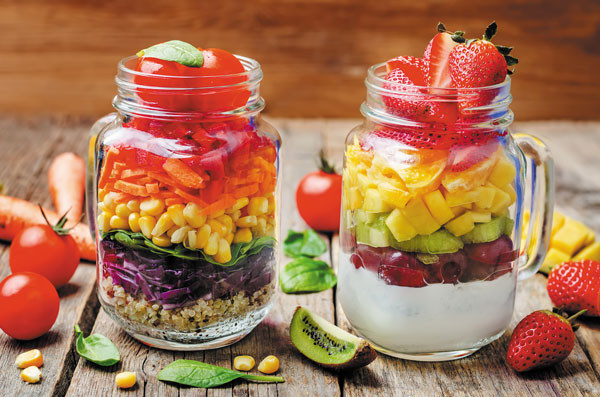
Cancer and diet: What’s the connection?
Your dietary habits can promote cancer or protect against it.
Image: Udra/ Thinkstock
The link between cancer and diet is just as mysterious as the disease itself. Much research has pointed toward certain foods and nutrients that may help prevent—or, conversely, contribute to—certain types of cancer.
While there are many factors you can't change that increase your cancer risk, such as genetics and environment, there are others you can control. In fact, estimates suggest that less than 30% of a person's lifetime risk of getting cancer results from uncontrollable factors. The rest you have the power to change, including your diet.

Whole grains associated with lower death rates
Eating 70 grams (four servings) of whole grains daily may lower your risk of death from cardiovascular disease and cancer, according to a study in Circulation. One serving of 100% whole-grain food contains about 16 grams. Examples include one slice of 100% whole-grain bread or a half cup of oatmeal or cooked whole-grain pasta.

Substituting plant for animal protein may extend life for people with health risks
An analysis of two observational studies involving 130,000 participants suggests that substituting plant protein for some animal protein may reduce the risk of early death by one-third in people with unhealthy lifestyles.

Are fresh juice drinks as good for you as they seem to be?
Cold-pressed juices and smoothies can add fruits and vegetables to your diet, but they can also pack in calories.
Image: Mermusta /Thinkstock
According to food industry statistics, there's a healthy trend afoot. People are shifting from sugary sodas and processed bottled juice drinks to beverages like cold-pressed juices and smoothies. Sales of juice extractors and blenders lead the small-appliance market, and juice bars continue to spring up on city streets, in shopping malls, and even in supermarkets.
There are a couple of reasons people are taking to these beverages, says Kathy McManus, director of the Department of Nutrition at Harvard-affiliated Brigham and Women's Hospital. "They think they are doing something healthy, and the beverages can be time savers. It can be faster to grab a smoothie in the morning instead of sitting down to breakfast."

Tracking bites and using a smaller plate helps control eating, study shows
Both wearing a bite counter and eating from a small plate were linked to lower calorie consumption.
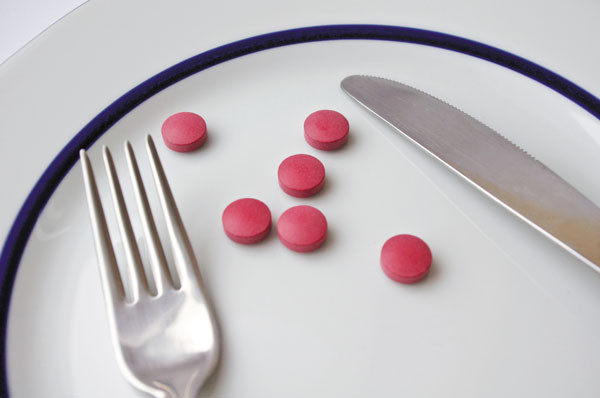
Are your medications causing nutrient deficiency?
Long-term doses of certain medications may rob you of calcium, folic acid, and crucial B vitamins.
Short-term medication use will not lead to nutrient deficiency. But long-term use may interfere with your body's ability to absorb nutrients or produce them.
Image: Gruzdaitis Andrius/Thinkstock
Medications are well known for causing side effects such as nausea or drowsiness. These are the kinds of side effects you notice and can do something about. But sometimes a lesser known side effect happens without giving you any warning: nutrient deficiency.

Coming to a shelf near you: The new Nutrition Facts labels
Most food manufacturers have until July 2018 to implement the changes.
Nutrition Facts labels on food packages made headlines when the FDA ordered a makeover for them in May of this year. But will the big to-do translate to big changes in the way you make food choices? "I'm hopeful it will," says Kathy McManus, director of the Department of Nutrition at Harvard-affiliated Brigham and Women's Hospital. "It will be great if the labels can get people to look at the numbers and think more about their health."
Grabbing your attention
Comings and goings
The labels will remove the "calories from fat" line while continuing to list types of fat, important since we now know that there are "good fats" (monounsaturated and polyunsaturated) and "bad fats" (saturated and trans fats).
And for the first time, the label will include a line about added sugars, so you'll know how many grams of sweeteners have been added to foods during processing.
Nutrient changes
Do the changes go far enough?
"They are a step in the right direction—but more could be done," McManus says. She'd like to see highlights of the nutrition information (particularly calories) listed on the front of the food product. "Some people don't take the time in the supermarket to read the back of the package. Often, they review the information when they get home and realize it is not the healthiest choice."
And what about whole foods that do not have labels, such as fresh fruits, vegetables, and fish? "It would be helpful to have nutrition facts in the produce and fish sections of the supermarket, informing consumers of the nutrition information, and hopefully promoting these whole foods," says McManus.
For now, she recommends that you take advantage of label information to keep track of how many servings you're eating; look at the number of calories per serving and fit that into your daily calorie goal; choose foods that are higher in fiber; limit or avoid foods with added sugars (the American Heart Association recommends no more than 24 grams of added sugar per day for women and 36 grams for men); and remember that the Daily Value percentages are based on a 2,000-calorie-a-day diet. Modify the percentage if you usually take in fewer or more calories than that.

Eat more whole grains to stay healthy, suggests Harvard study
Boosting intake of whole grains, such as wheat or oats, may reduce the risk of an early death.

Don’t fear the reaper: Eat more whole grains
People who eat at least four servings of whole-grain foods per day appear to have a 23% lower risk of dying of cardiovascular disease compared with people who eat little or no whole grains.
Even a little exercise linked with lower stroke risk in people with afib
Testosterone therapy without evidence of deficiency may boost heart risk
Weight-loss drug may lower risk of heart attacks and infections
What to eat on the DASH diet
Migraine: How it's diagnosed and what that means
Tricep workouts you can do at home
Mindfulness practices to reduce stress and improve focus
Antihistamines may not offer meaningful relief from eczema symptoms
Overweight and taking blood pressure medications: Study finds it's a trend that's working
FDA approves first mRNA-based flu vaccine
Free Healthbeat Signup
Get the latest in health news delivered to your inbox!
Sign Up
