

Even a little exercise linked with lower stroke risk in people with afib

Testosterone therapy without evidence of deficiency may boost heart risk

Weight-loss drug may lower risk of heart attacks and infections

What to eat on the DASH diet

Migraine: How it's diagnosed and what that means

Tricep workouts you can do at home

Mindfulness practices to reduce stress and improve focus

Antihistamines may not offer meaningful relief from eczema symptoms

Overweight and taking blood pressure medications: Study finds it's a trend that's working

FDA approves first mRNA-based flu vaccine
Dietary patterns Archive
Articles


Smart chocolate choices for a healthy heart
The advice to eat chocolate should be taken with a grain of salt.
Image: Leszek Kobusinski/Thinkstock
Like bees swarming a melting candy bar, the media buzz around the purported health benefits of chocolate has been hard to ignore. The possibility that such a sumptuous treat might actually be good for your heart is very sweet news, indeed.
But there's a lot more to this story that we need to understand before going hog wild in the candy aisle, says Dr. Howard Sesso, associate professor in the division of preventive medicine at Harvard-affiliated Brigham and Women's Hospital. "Simply recommending that people eat dark chocolate as a way of improving health is very misleading, since chocolate products tend to have a significant amount of fat, sugar, and calories." Instead, he and colleague Dr. JoAnn Manson are embarking on the Cocoa Supplement and Multivitamin Outcomes Study (COSMOS), a four-year trial involving 18,000 participants that is designed to tease out the intricacies of chocolate's health-promoting nutrients (www.cosmostrial.org).

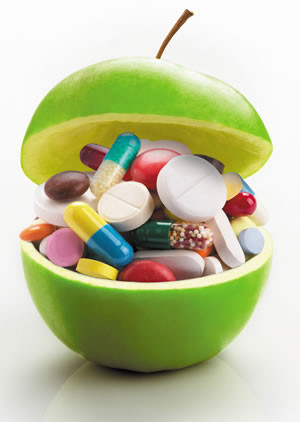
Dietary supplements for cholesterol: Are any worth a try?
Various herbs and other supplements have been touted for their ability to improve cholesterol levels. Here's what the research shows — and doesn't show — about some of the best-known products.
Hawthorne. The leaves, berries, and flowers of this plant are used to make medicine that was traditionally used to treat cardiovascular diseases. It may lower cholesterol by increasing the excretion of bile and decreasing the body's production of cholesterol. Verdict: It may possibly help.

Harvard researchers: Fight glaucoma with leafy green vegetables
Image: Thinkstock
Think about this the next time you fill your plate with kale or spinach: a study published in JAMA Ophthalmology Jan. 14, 2016, found that boosting leafy green vegetable intake is associated with a reduced risk of developing glaucoma, a leading cause of blindness.
Harvard researchers analyzed the dietary information reported by more than 100,000 men and women in two long-term studies, each lasting more than 25 years. Those who ate the most leafy greens had a risk of developing glaucoma that was 20% to 30% lower than that of those who ate the least. What's the link? Glaucoma causes damage to the optic nerve, through increased pressure from fluid in the eye or impaired blood flow to the optic nerve. Leafy greens are loaded with nitrate, which the body converts to nitric oxide. "Nitric oxide is important for maintaining optimal blood flow, and possibly for keeping eye pressure low," speculates Dr. Jae Hee Kang, the lead author of the study and a Harvard Medical School assistant professor. The study doesn't prove that leafy greens reduce glaucoma risk; it only shows an association between the two. Eating leafy greens is also linked to lower rates of inflammation, cancer, heart disease, and even macular degeneration.
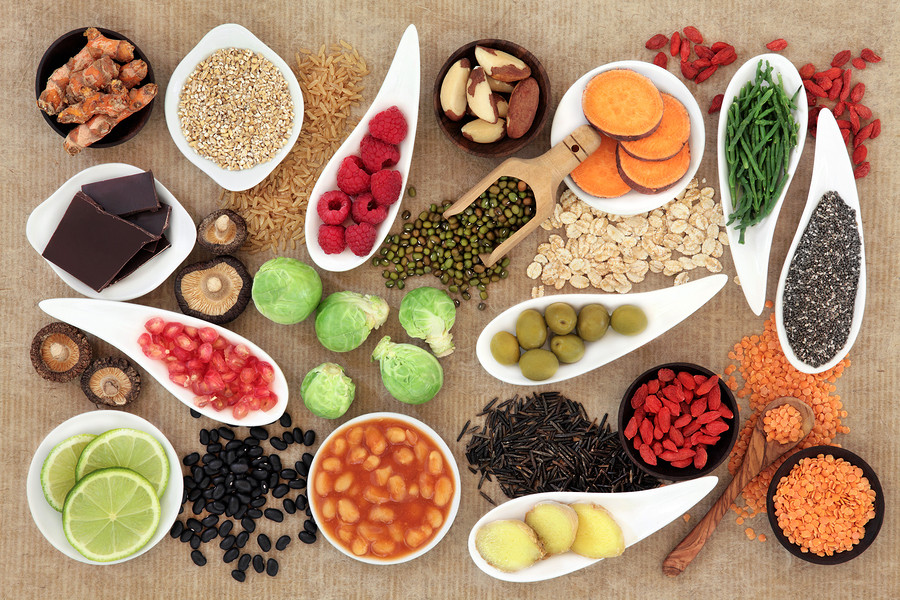
The new federal dietary guidelines: Are they good for your heart?
When it comes to preventing cardiovascular disease, some experts feel the recommendations may not go far enough.
Image: Bigstock
Every five years, the U.S. government issues a new edition of the Dietary Guidelines for Americans, a report that "helps Americans make healthy choices for themselves and their families." But if you're concerned about having a heart attack or stroke, the advice in the latest update doesn't entirely agree with what many nutrition experts—as well as the American Heart Association—recommend.
We asked Dr. Walter Willett, professor of epidemiology and nutrition at the Harvard T.H. Chan School of Public Health, to share his thoughts about where the new guidelines may not be aggressive enough for people at risk for heart disease. Here's his advice on five dietary components of note.
Mediterranean diet beats low-fat diet for long-term weight loss
Image: Bigstock
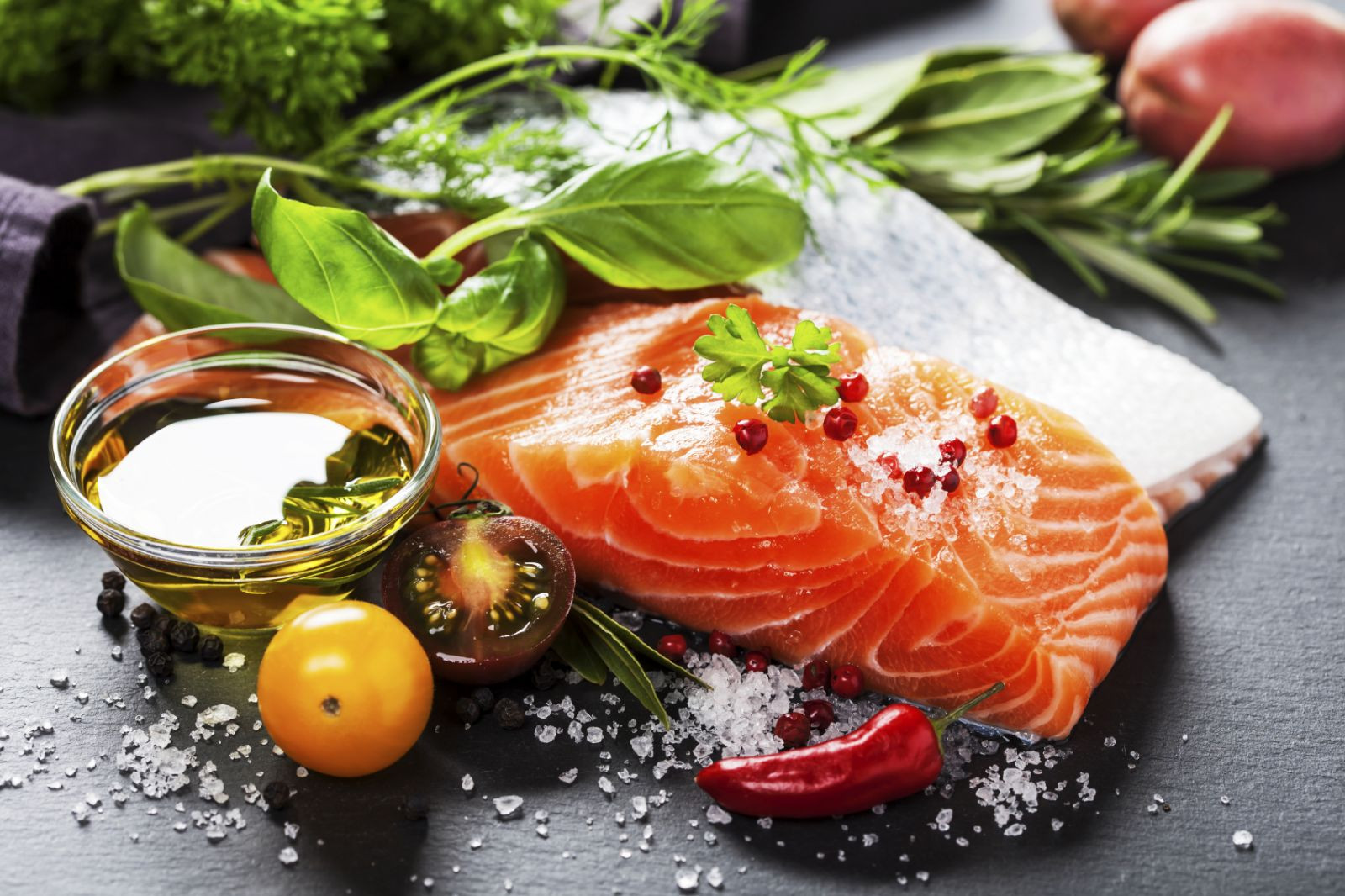
The popular eating pattern that's good for your heart—the Mediterranean diet—is also good for your waistline, according to a review of five studies that compared the Mediterranean diet with other weight-loss diets.
The trials, which included a total of 998 overweight or obese people, pitted the Mediterranean diet (which is rich in vegetables, fruits, grains, beans, and olive oil but light on meat, dairy, and eggs) against one or more of three other diets: a low-fat diet, a low-carb diet, and the American Diabetes Association (ADA) diet.

Caffeine unlikely to trigger palpitations in healthy people
Drinking caffeinated coffee or tea may help you feel more awake and alert. But for healthy people, it probably won't cause palpitations—a noticeably strong, fast, or irregular heart beat. That's according to a new study of nearly 1,400 older adults in the Jan. 26, 2016, Journal of the American Heart Association.
Researchers relied on data from food questionnaires and Holter monitors, which recorded each participant's heart rhythm for a 24-hour period. About 60% of the people in the study said they consumed more than one caffeinated product (coffee, tea, or chocolate) a day. People who consumed more of those products were no more likely to have palpitations than those who imbibed less, the authors found.

What's new in nutritional guidelines?
The USDA recently updated its recommendations for healthy eating. Here are the takeaway messages for men.
Images: Thinkstock
Every five years, the USDA releases its Dietary Guidelines for Americans—advice to encourage healthier eating patterns based on the latest nutritional science.
"While there is a lot of nutritional information out there, the guidelines are the foundation for many government food programs, and many men can benefit from their recommendations," says Katherine McManus, director of the Department of Nutrition at Harvard-affiliated Brigham and Women's Hospital.
Are artificial sweeteners safe?
Ask the doctor
Image: Thinkstock
Q: My doctor advised me to give up my soda habit, but I was thinking about switching to diet soda. What is your advice about the safety of artificial sweeteners?
A: I support your decision to decrease the amount of added sugar in your diet, but it is less clear if artificial sweeteners are the answer. These sugar substitutes do appear to be safe when consumed in usual amounts. Initial studies in rats, performed decades ago, raised a possible link to bladder cancer, but no subsequent studies in humans have confirmed this relationship.
Even a little exercise linked with lower stroke risk in people with afib
Testosterone therapy without evidence of deficiency may boost heart risk
Weight-loss drug may lower risk of heart attacks and infections
What to eat on the DASH diet
Migraine: How it's diagnosed and what that means
Tricep workouts you can do at home
Mindfulness practices to reduce stress and improve focus
Antihistamines may not offer meaningful relief from eczema symptoms
Overweight and taking blood pressure medications: Study finds it's a trend that's working
FDA approves first mRNA-based flu vaccine
Free Healthbeat Signup
Get the latest in health news delivered to your inbox!
Sign Up
