

Even a little exercise linked with lower stroke risk in people with afib

Testosterone therapy without evidence of deficiency may boost heart risk

Weight-loss drug may lower risk of heart attacks and infections

What to eat on the DASH diet

Migraine: How it's diagnosed and what that means

Tricep workouts you can do at home

Mindfulness practices to reduce stress and improve focus

Antihistamines may not offer meaningful relief from eczema symptoms

Overweight and taking blood pressure medications: Study finds it's a trend that's working

FDA approves first mRNA-based flu vaccine
Dietary patterns Archive
Articles

Should you try a subscription meal kit?
They provide hassle-free home-cooked meals. But watch the nutrient content.
Image: Bigstock
Wouldn't it be great if you had an assistant chef at home—someone who developed a delicious menu and then shopped for and measured all the ingredients to make it? All you'd have to do is cook and enjoy it. That's the idea behind the hot trend of subscription meal kits, which are delivered to your door. "It's very convenient, and it can challenge someone to try new foods with different seasonings," says Kathy McManus, director of the Department of Nutrition at Harvard-affiliated Brigham and Women's Hospital.
How it works
Downsides
Most meals take 30 or 40 minutes to prepare, a drawback if you're unable to stand for long periods. You'll have to do any necessary chopping yourself, a potential challenge if you have arthritis.
And while the food is fresh, it may not always be healthy. Some meals are high in sodium and calories. "And some recipes don't use whole grains or healthier carbohydrates; they use white potatoes and refined grains like jasmine rice," says McManus. That's especially important if you're on a restricted diet because of high blood pressure or diabetes.
What you should do

Ask the doctor: Reversing atherosclerosis?
Some people may be able to reverse the buildup of plaque inside their heart’s arteries by taking high-dose cholesterol-lowering drugs or by following a strict, plant-based diet combined with exercise and stress reduction.
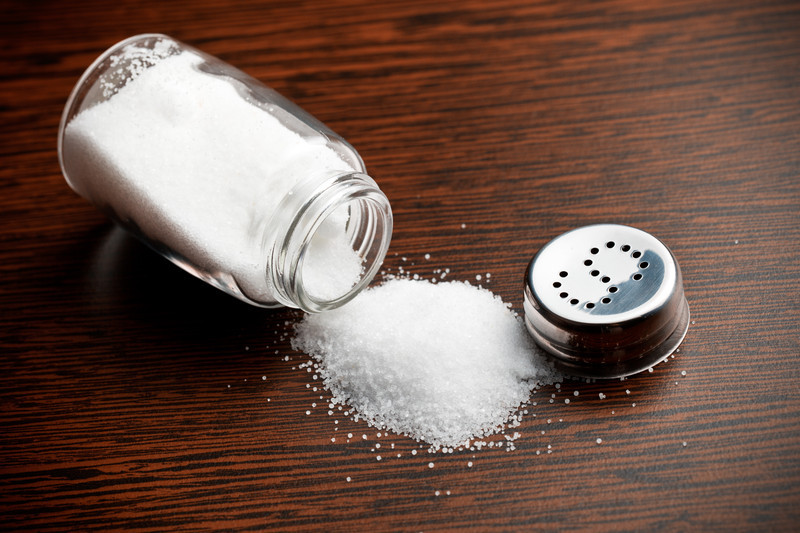
6 ways to eat less salt
DASH diet effective but not the only way to reduce sodium
Your body needs a little bit of salt every day for the sodium it contains. But too much sodium can boost blood pressure and stress the heart and blood vessels. The low-sodium Dietary Approaches to Stop Hypertension (DASH) diet is high in fruits, vegetables, and whole grains; moderately high in nuts and low-fat dairy products; and low in red and processed meats. Following it can lower blood pressure and reduce the risk of heart disease and stroke.
The DASH diet is a good way to eat healthy. But there's no need to follow that specific diet to get measurable results. If you want to tackle cutting back on sodium, try these six tips:

Which foods don't belong in a healthy diet?
Keep unhealthy foods to minimum, balanced with nutritious choices
Image: iStock
What exactly is a healthy diet? The basics are pretty simple. Everyone needs a mix of proteins, carbohydrates, and fats, plus enough vitamins and minerals for optimal health. But science is revealing that some of the food choices within these categories are better than others.
Go slow on unhealthy foods
Are there foods you never should eat? Not really. If you crave an ice cream sundae occasionally, have a small one. But don't make it a daily event. Offset the chips you ate at your neighbor's barbeque with healthier snacks at home. Healthy eating doesn't mean eliminating certain foods altogether. However, there are some things that are best eaten only rarely.
Can I substitute nuts for animal protein?
Nuts are a good source of plant fats and protein, but they are high in calories. It’s a good idea to limit nut consumption to 1 ounce per day.

The lowdown on low sodium
Here's how to keep your daily salt intake in check.
Image: Mark Poprocki/Thinkstock
Most men probably consume too much sodium, and new federal guidelines are aimed at helping them curb their habit.
The FDA advises no more than 2,300 milligrams (mg) of sodium daily—the amount in about 1 teaspoon of salt. (People with prehypertension and hypertension should limit their intake to 1,500 mg, roughly the amount in 3/4 tea-spoon of salt.)
Higher levels of omega-6 fatty acids may lower death rates in older men
A new study found that high levels of omega-6 fatty acids in the subcutaneous adipose tissue—the layer of fat just beneath the skin—correlated with lower death rates among older men. Omega-6s mostly come in the form of linoleic acid, found in plant oils (such as corn, soybean, and sunflower oils) as well as nuts and seeds. Linoleic acid is known to shrink levels of bad LDL cholesterol in the blood, which can contribute to lower incidence of heart disease.
Even a little exercise linked with lower stroke risk in people with afib
Testosterone therapy without evidence of deficiency may boost heart risk
Weight-loss drug may lower risk of heart attacks and infections
What to eat on the DASH diet
Migraine: How it's diagnosed and what that means
Tricep workouts you can do at home
Mindfulness practices to reduce stress and improve focus
Antihistamines may not offer meaningful relief from eczema symptoms
Overweight and taking blood pressure medications: Study finds it's a trend that's working
FDA approves first mRNA-based flu vaccine
Free Healthbeat Signup
Get the latest in health news delivered to your inbox!
Sign Up
