Even a little exercise linked with lower stroke risk in people with afib

Testosterone therapy without evidence of deficiency may boost heart risk

Weight-loss drug may lower risk of heart attacks and infections

What to eat on the DASH diet

Migraine: How it's diagnosed and what that means

Tricep workouts you can do at home

Mindfulness practices to reduce stress and improve focus

Antihistamines may not offer meaningful relief from eczema symptoms

Overweight and taking blood pressure medications: Study finds it's a trend that's working

FDA approves first mRNA-based flu vaccine
Dietary patterns Archive
Articles

Cutting 300 daily calories improves several health markers
In the journals
Reducing your daily calorie intake by about 300 can improve the numbers for several health markers, according to a study published online July 11, 2019, by The Lancet Diabetes & Endocrinology.
Researchers recruited 218 adults with a body mass index of 22 to 27.9, which is in the range of normal weight and slightly overweight. For a month, half the participants ate three meals a day that reflected about a 25% reduction in their normal daily calorie intake. They also engaged in six months of group and individual counseling sessions. People in the other group continued their usual diet.

The trouble with excess salt
Sodium doesn't affect everyone equally, but there's good reason to stick to moderate amounts in your diet.
On average, Americans eat too much salt — more than a teaspoon and a half a day. Most often it doesn't come out of a shaker, but is hidden in the foods you eat. But is it really bad for your heart to eat too much, or is that just a concern for people with certain risk factors? There's been some debate on this topic, even among members of the scientific community. We asked Nancy Cook, a professor of medicine at Harvard Medical School, for her thoughts on salt — or more precisely, sodium, a mineral that makes up 40% of salt — and how it affects your health and your heart.
Is salt really bad for your heart?
"There is a fairly undisputed effect of sodium on blood pressure," says Cook. The effect is stronger in people with high blood pressure (hypertension), a sustained blood pressure reading of 120/80 or higher. The data for an effect on cardiovascular disease are somewhat more controversial, she says, but in general, the bulk of research does seem to link lower sodium intake with both lower blood pressure and a lower risk of cardiovascular disease.
Don't give up on grains
Whole grains contain fiber and nutrients that can help your health.
It's a low-carb world, and many people are pushing grains off their plate in an effort to control their waistline. But they may be doing their body a disservice. Whole grains have some unique properties that make them a valuable addition to the diet. Not only do they contain a host of nutrients, such as iron, B vitamins, copper, zinc, and magnesium, but studies have linked diets rich in whole grains to a lower risk of colon cancer, which is a growing health threat for many younger Americans.
"The main benefit of whole cereal grains, such as wheat, oats, and barley, is in the fiber," says Teresa Fung, adjunct professor in the Department of Nutrition at the Harvard T.H. Chan School of Public Health. "Cereal fiber is different from vegetable fiber or bean fiber."

Is your lunch lacking?
Research we're watching
If the contents of your lunch bag are looking less than wholesome, you're not alone. A survey sponsored by the American Heart Association found that more than half of Americans who eat lunch at work reported that their midday meal often falls short when it comes to good nutrition. In addition, 91% of those surveyed said they would be interested in making healthier lunch choices. So, what's making people choose less healthful lunch options? Top reasons included the convenience of unhealthy foods (cited by 60% of respondents), taste (54%), and a lack of healthy food options (cited by 43%). If you're looking to improve your own lunch quality, the American Heart Association offers some tips on its website at www.heart.org/healthyforlife.
Image: portishead1/Getty Images
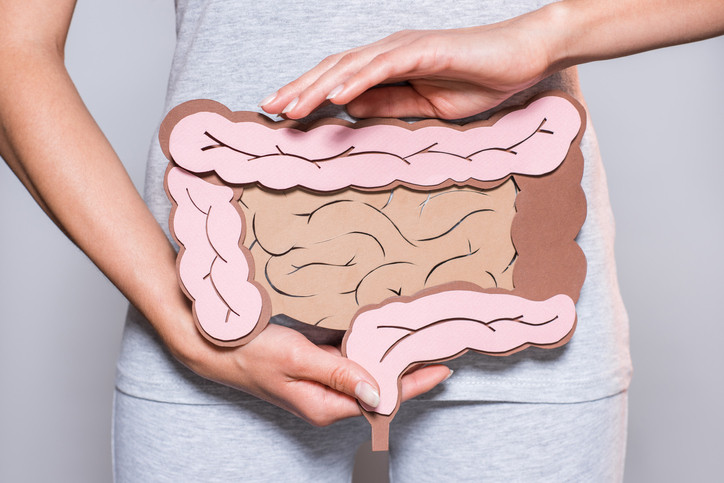
Feeling gassy — is it ever a cause for concern?
Intestinal gas can be embarrassing, but is a normal part of digestion. Only rarely is excess gas cause for concern. Which foods you eat –– and how you digest them –– can make a difference.

Avoiding nuts and seeds for better gut health? You shouldn’t
Nuts and seeds are rich in fiber, which is important for gut health and keeping you regular. And, contrary to a common concern, no evidence links eating nuts and seeds to a painful gut infection called diverticulitis.

White meat raises “bad” cholesterol levels just like red meat
In the journals
Eating large amounts of red meat can raise LDL (bad) cholesterol levels, but new research suggests you should curb your intake of white meat, too. The findings were published online June 4, 2019, by The American Journal of Clinical Nutrition.
Researchers randomly assigned 113 healthy adults, ages 21 to 65, to follow a four-week diet with high levels of either red meat, white meat (chicken and turkey), or plant-based protein (such as nuts, whole grains, soy products, and legumes). Afterward, LDL levels in the high-red-meat diet group rose, as predicted, but the researchers found that high levels of poultry had the same effect on LDL levels as red meat.

Food ingredients under the microscope
At least one additive — a preservative called propionate — could be linked to diabetes and obesity.
Scientists are giving food additives and other ingredients more scrutiny these days, thanks to new technology that allows them to get an up-close view of how individual molecules affect the body. And they are already discovering some surprising information that could change what you put on your plate in the future.
Consider propionate, or propionic acid, a naturally oc-curring fatty acid and a common preservative found in everything from bread and animal feeds to pudding and cheese. A study published online April 24 by Science Translational Medicine found that this ingredient may disrupt the metabolism, triggering the body to produce excess glucose (blood sugar), which could lead to diabetes and obesity.
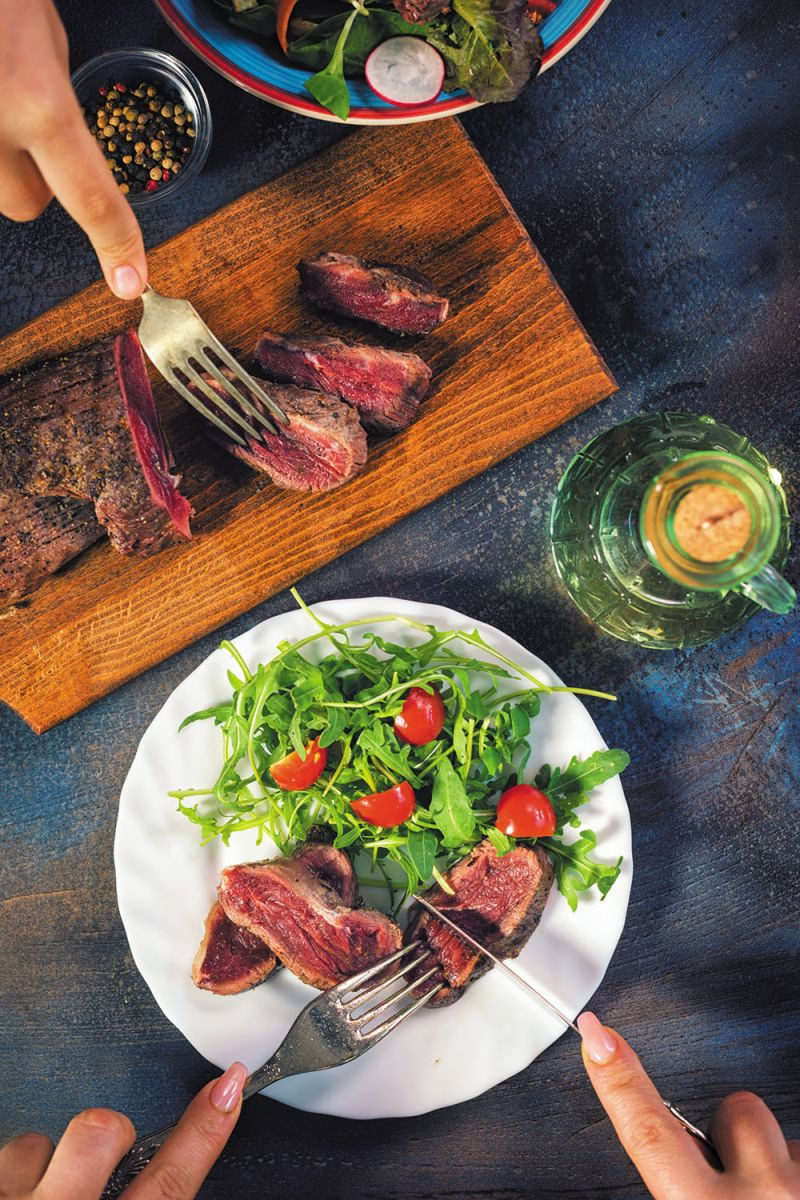
Red meat, TMAO, and your heart
A substance called trimethylamine N-oxide, which is produced when your body digests red meat, may raise the risk of cardiovascular problems.
Experts used to think that red meat raised your risk of heart disease simply because it was high in saturated fat. But today that picture has gotten more complicated thanks to the discovery of a metabolite — a substance produced during digestion and metabolism — called trimethylamine N-oxide, or TMAO.
According to a news article published June 11 in JAMA, three recent analyses have linked high blood levels of TMAO with a higher risk for both cardiovascular disease and early death from any cause. In one of those studies, researchers found that people with higher levels of TMAO in their blood may have more than twice the risk of heart attack, stroke, or other serious cardiovascular problems, compared with people who have lower levels. Other studies have found links between high TMAO levels and heart failure and chronic kidney disease.
Harvard researchers: Red meat consumption tied to early death
News briefs
We already know that a diet rich in red meat is linked to many health problems, such as heart disease, type 2 diabetes, and colorectal cancer. Now a Harvard-led study published online June 12, 2019, by BMJ suggests that boosting your red meat intake increases your risk for early death. Scientists analyzed questionnaire answers about health and diet provided by more than 81,000 healthy men and women between 1986 and 2010. In particular, researchers looked at whether changes in red meat consumption during an eight-year period of the study affected the risk of death eight years later. The findings: An increase of just half a serving of processed red meat per day was associated with a 13% higher risk for dying young from any cause; an additional half-serving of unprocessed red meat increased the risk by 9%. On the flip side, decreasing total red meat consumption and increasing the consumption of nuts, fish, poultry without skin, dairy, eggs, whole grains, or vegetables was tied to a lower risk of death. The takeaway: Try to curb your appetite for red and processed meats like bacon, salami, and hot dogs. Eat more poultry, fish, or plant-based proteins (like beans, lentils, nuts, and seeds), along with the other components of a healthy diet.
Image: © Pavlo_K/Getty Images
Even a little exercise linked with lower stroke risk in people with afib
Testosterone therapy without evidence of deficiency may boost heart risk
Weight-loss drug may lower risk of heart attacks and infections
What to eat on the DASH diet
Migraine: How it's diagnosed and what that means
Tricep workouts you can do at home
Mindfulness practices to reduce stress and improve focus
Antihistamines may not offer meaningful relief from eczema symptoms
Overweight and taking blood pressure medications: Study finds it's a trend that's working
FDA approves first mRNA-based flu vaccine
Free Healthbeat Signup
Get the latest in health news delivered to your inbox!
Sign Up