

Even a little exercise linked with lower stroke risk in people with afib

Testosterone therapy without evidence of deficiency may boost heart risk

Weight-loss drug may lower risk of heart attacks and infections

What to eat on the DASH diet

Migraine: How it's diagnosed and what that means

Tricep workouts you can do at home

Mindfulness practices to reduce stress and improve focus

Antihistamines may not offer meaningful relief from eczema symptoms

Overweight and taking blood pressure medications: Study finds it's a trend that's working

FDA approves first mRNA-based flu vaccine
Dietary patterns Archive
Articles
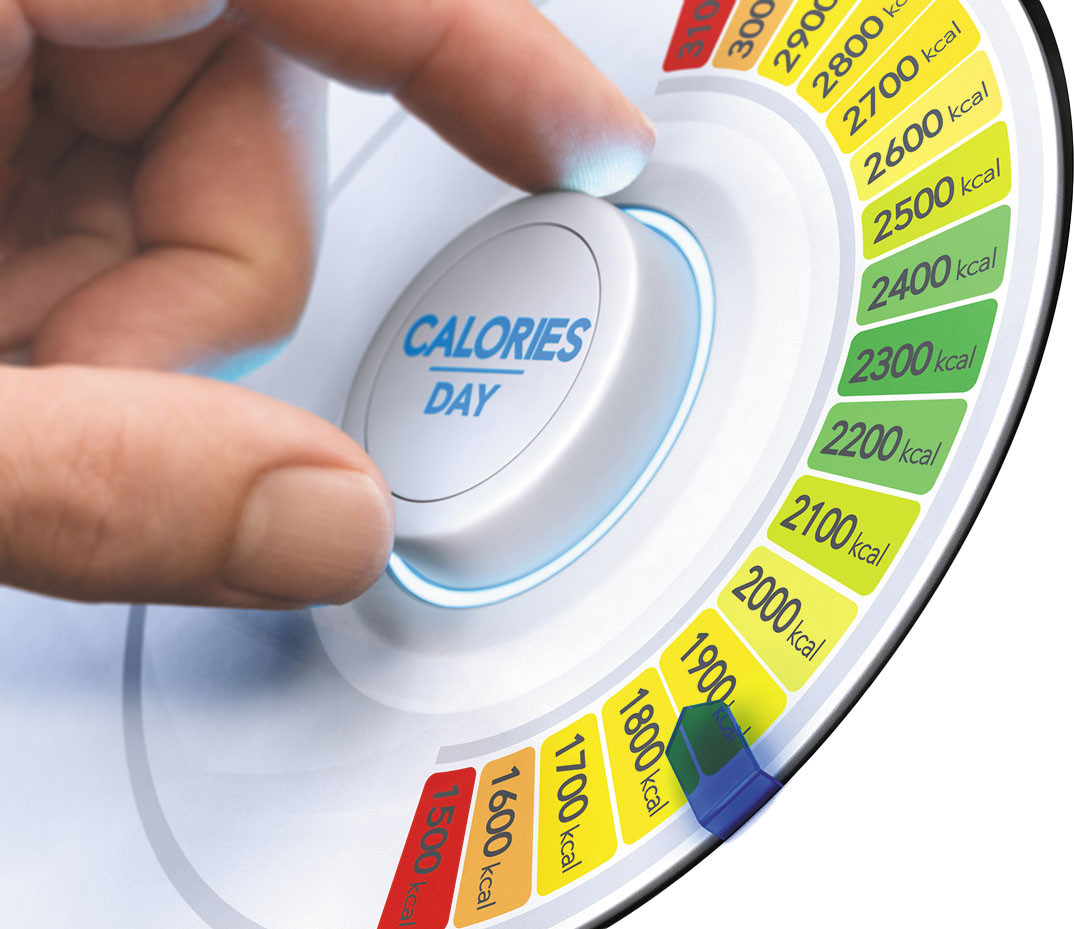
Counting on calories
How many daily calories do you really need? It depends on many factors.
When it comes to nutrition, calories embody the ultimate love-hate relationship. Consume too little, and you don't have the energy to function at your best. Eat too much, and you risk weight gain. It's no surprise, then, that counting calories can be such an obsession.
But how much do you really need every day? Unfortunately, there is not a single, simple answer. Men ages 50 and older require 2,000 to 2,800 calories per day, or an average of about 2,500, says Dr. Qi Sun, associate professor in the Department of Nutrition at the Harvard T.H. Chan School of Public Health.

Soy protein helps lower bad cholesterol a small but important amount
In the journals
Another way to lower LDL (bad) cholesterol levels? Eat more soy protein, suggests a study published online April 22, 2019, by The Journal of Nutrition.
Researchers examined 43 trials to evaluate the effect soy had on LDL levels. (High LDL levels can lead to a buildup of cholesterol in arteries and increase a person's risk of cardiovascular disease.)
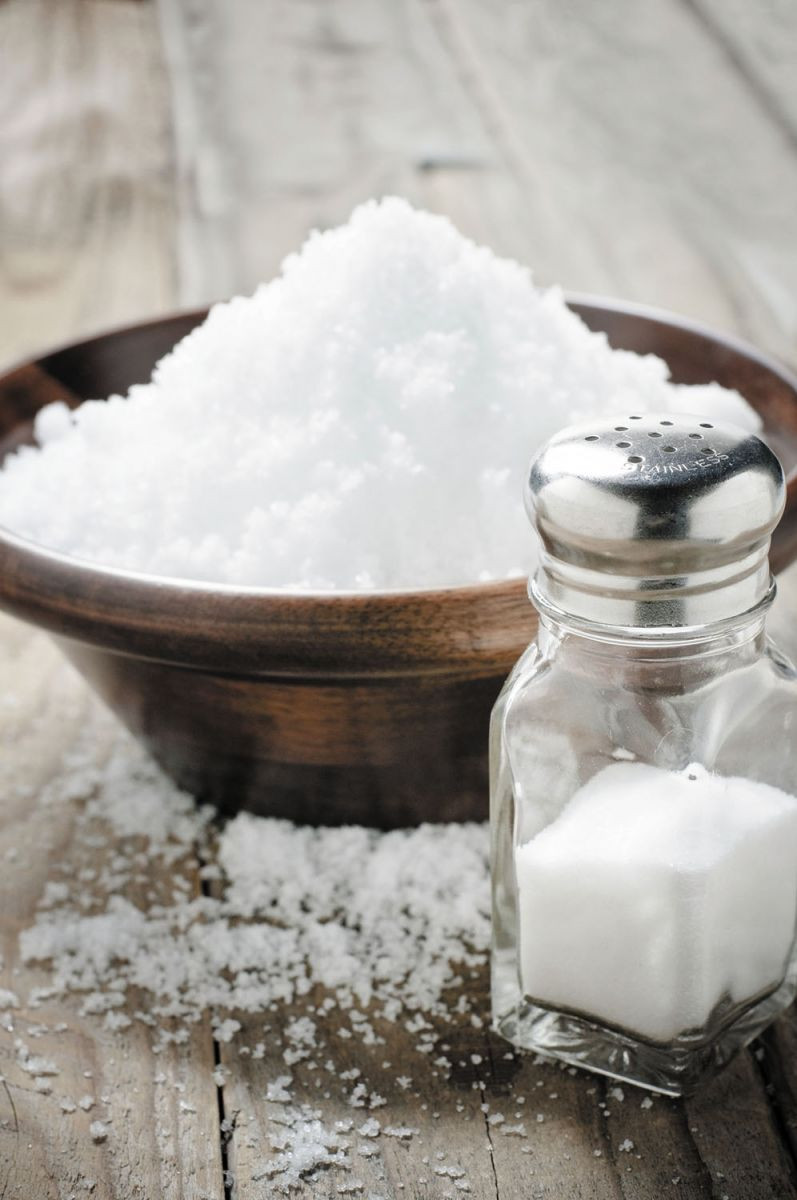
Salt sensitivity: Sorting out the science
Eating too much salt usually boosts blood pressure, but not in everyone. Understanding the genetic basis of these differences may improve treatment of high blood pressure.
Do you know someone who eats lots of salty food — pizza, pickles, pretzels, and the like — but has naturally low blood pressure? That person may be salt-resistant, which means his or her blood pressure doesn't rise very much in response to a diet high in salt (sodium chloride). In contrast, other people are salt-sensitive, which means their blood pressure rises by 5 points or more if they switch from a low-sodium to a high-sodium diet.
Unfortunately, there isn't an easy test to determine who is salt-sensitive, says endocrinologist Dr. Gordon Williams, professor of medicine at Harvard Medical School. "Still, we know that Americans eat far more salt than they actually need, so it makes sense to advise everyone cut back on salt," he says.

Legume of the month: Pinto beans
The most commonly eaten type of bean in the United States, pinto beans are especially popular in southern states, where they may be known as frijoles (Spanish for "beans") or cowboy beans. These oval, tan-colored beans are mottled with reddish-brown streaks, making them appear painted (pinto means "painted" in Spanish).
Once they're cooked, the colored splotches disappear, leaving a light-brown bean with a soft, creamy texture. In Mexico, Central America, and South America, pintos are cooked with epazote, an herb that purportedly helps reduce the flatulence-producing properties of these and other beans. Another tip for avoiding that problem is to add beans to your diet gradually and eat them regularly.

A diet that may stave off heart failure
Research we're watching
A plant-focused diet long touted for its ability to lower blood pressure may also help prevent heart failure, according to a new study.
The DASH diet, which stands for Dietary Approaches to Stop Hypertension, emphasizes fruits, vegetables, whole grains, low-fat dairy products, poultry, fish, and nuts while minimizing salt, sugar, and red meat consumption.

Ask the doctor: Why is peanut butter "healthy" if it has saturated fat?
Q. I keep reading that peanut butter is a healthy food. But it contains saturated fat and has more sodium than potassium. That doesn't sound healthy to me. Is peanut butter good for you?
A. The presence of saturated fat doesn't automatically kick a food into the "unhealthy" camp. Olive oil, wheat germ, and even tofu — all "healthy" foods — have some saturated fat. It's the whole package of nutrients, not just one or two, that determines how good a particular food is for health.

Why not flaxseed oil?
There's no mercury to worry about, and flaxseed oil does contain omega-3 fats...but not the best kind.
Troll the medical literature, and you'll come up with study after study showing that fish and fish oil are good for us, especially for our hearts but maybe also for our moods and immune systems. Various epidemiologic investigations have found that people who eat fish regularly are less likely to have heart attacks, suffer strokes, or die from sudden cardiac arrest. The definition of "regularly" varies, but it usually means at least a couple of times a week, although eating fish even once a month has been shown to make a difference.
Fish, and especially fish oil, have also been the subject of dozens of randomized clinical trials, most involving people with existing heart conditions. In large amounts (several grams a day), fish oil has been shown to nudge various cardiac risk factors ("good" HDL cholesterol, triglycerides, blood pressure) in the right direction.


New thinking on daily food goals
Stop aiming for a particular amount of servings in each food category and focus on total daily intake.
Trying to hit the mark on a healthy diet can be challenging. You need to eat enough of the right foods to meet your body's vitamin and mineral needs.
Experts have tried to guide us over the years by recommending goals of daily food servings — such as five to eight servings of fruits and vegetables per day. But your idea of serving sizes may differ from someone else's. That's led to confusion and, now, change.

Medically tailored meal programs linked to fewer hospital stays, lower costs
News briefs
As we've reported before, free medically tailored meals are making a big difference for older adults who have chronic illness or are recovering from a hospital stay. The meals are provided by nonprofit agencies and are customized to your dietary needs — like a potassium-controlled diet if you have kidney disease, or a diet low in vitamin K if you're taking a blood thinner. Now an observational study published online April 22, 2019, by JAMA Network Open suggests that taking part in a free medically tailored meal program is linked to fewer admissions to hospitals and nursing homes, as well as lower medical costs. Researchers looked at about 1,000 adults with health problems such as cancer or diabetes. Half took part in a free medically tailored meal program for about a year; the other half did not. During a two-year follow-up, people who received medically tailored meals had 49% fewer hospital admissions and 72% fewer nursing home admissions than those who did not receive meals. Getting the meals was also tied to a 16% reduction in medical costs each month. To find a program near you, check out the partner section of the Food Is Medicine Coalition (www.fimcoalition.org/partners).
Image: © FredFroese/Getty Images
Even a little exercise linked with lower stroke risk in people with afib
Testosterone therapy without evidence of deficiency may boost heart risk
Weight-loss drug may lower risk of heart attacks and infections
What to eat on the DASH diet
Migraine: How it's diagnosed and what that means
Tricep workouts you can do at home
Mindfulness practices to reduce stress and improve focus
Antihistamines may not offer meaningful relief from eczema symptoms
Overweight and taking blood pressure medications: Study finds it's a trend that's working
FDA approves first mRNA-based flu vaccine
Free Healthbeat Signup
Get the latest in health news delivered to your inbox!
Sign Up
