

Even a little exercise linked with lower stroke risk in people with afib

Testosterone therapy without evidence of deficiency may boost heart risk

Weight-loss drug may lower risk of heart attacks and infections

What to eat on the DASH diet

Migraine: How it's diagnosed and what that means

Tricep workouts you can do at home

Mindfulness practices to reduce stress and improve focus

Antihistamines may not offer meaningful relief from eczema symptoms

Overweight and taking blood pressure medications: Study finds it's a trend that's working

FDA approves first mRNA-based flu vaccine
Dietary patterns Archive
Articles

Can these three steps save 100 million lives?
News briefs
A study published online June 10, 2019, by Circulation suggests that scaling up three healthy lifestyle changes could increase the life spans of almost 100 million people around the world. Researchers — led by a team from the Harvard T.H. Chan School of Public Health — evaluated global data on death rates, blood pressure levels, the use of blood pressure medications, sodium and trans fat intake, country, age, and gender. They estimated that a worldwide push to lower blood pressure, reduce salt intake by 30%, and eliminate the consumption of trans fat could delay more than 94 million deaths from cardiovascular disease in the next 25 years. More than half of those deaths would be among adults ages 70 or older, and more than half of all deaths would be among men. Regions that would see the most benefit are outside the United States — in East Asia, South Asia, the Pacific, and parts of Africa. But we can all benefit from the three lifestyle changes. Trans fat has already been banned in foods in the United States. But if your blood pressure isn't under control, it's time to talk to your doctor about treatment and to reduce sodium intake to well under 2 grams per day.
Image: © CatLane/Getty Images

The best beverages for your heart
Sweet drinks go down easy, but they may be hard on your heart. Aside from plain water, the healthiest choices are unsweetened tea, coffee, and flavored waters.
When you want to quench your thirst with something a little more exciting than plain old water, there are a dizzying array of choices these days. However, many of the beverages in supermarkets and convenience store aisles are loaded with added sugar. Even many of those that sound healthy (such as 100% fruit juice and vitamin-enhanced water) contain as much sugar as regular sodas.
Yes, the sugar in fruit juice is naturally occurring, as opposed to the processed sugar (usually high-fructose corn syrup) found in many carbonated and noncarbonated drinks such as sodas, vitamin water, and the like. But people should still be mindful about consuming too much fruit juice, says Vasanti Malik, a nutrition researcher at the Harvard T.H. Chan School of Public Health.

Legume of the month: Soybeans
Unlike many other common bean varieties, soybeans don't usually show up in canned or dried forms on super-market shelves. But other versions of this versatile legume can be found in many sections of well-stocked stores.
In the freezer section, for example, you can find packaged green soybeans, usually still in their pods (pictured above). Called edamame — a Japanese word meaning "stem beans" — they're commonly served as an appetizer in Asian restaurants. Squeeze the pods to pop out the bright green beans, which are good source of fiber and several vitamins, most notably B9 (folate) and K. Soybeans are a complete protein, meaning they contain all nine essential amino acids.

Ultra-processed foods linked to poor heart health
Research we're watching
Eating ultra-processed foods — such as packaged snacks, sugary cereals and drinks, chicken nuggets, and instant soup — may leave people more prone to heart disease and an early death, two new studies suggest. Both were published May 29 in The BMJ.
One study followed more than 105,000 adults for just over five years. Researchers found that for every 10% increase in the amount of ultra-processed foods people ate, their risk of a heart attack, stroke, or other serious cardiovascular event was 12% higher. The other study tracked nearly 20,000 people over an average of 10 years. People who ate more than four servings of ultra-processed foods daily had a 62% higher risk of dying from all causes compared with those who ate only two servings per day.
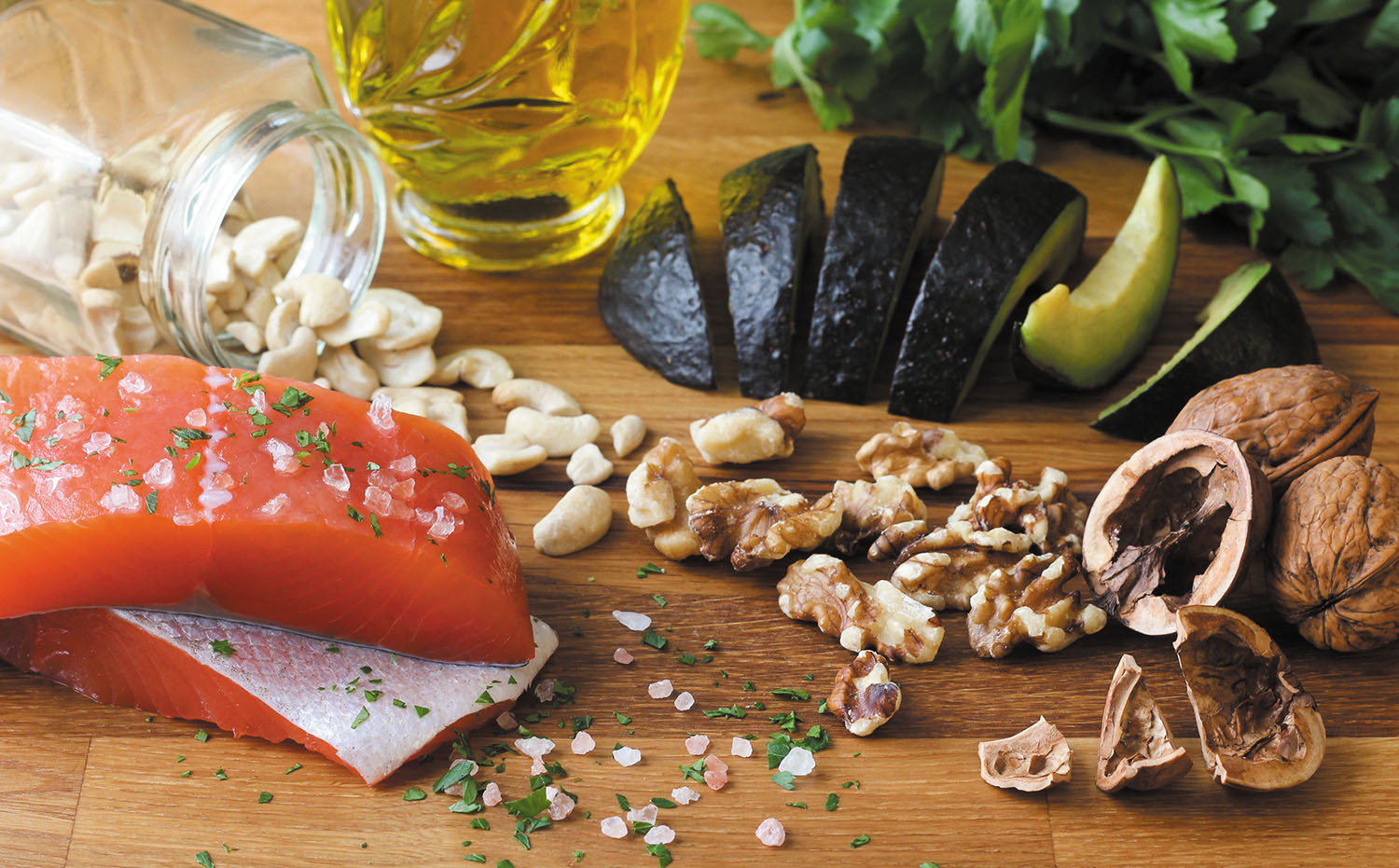
How to adopt a Mediterranean diet
This approach to eating has numerous health benefits. What's the best way to follow it?
For years, the Mediterranean diet has been touted for its heart- and cancer-fighting abilities, and countless studies have backed up its reputation as one of the world's healthiest eating patterns.
So what is the best way to begin eating the Mediterranean way? Approach it as a lifestyle and not a structured, rules-oriented diet, suggests Dr. Qi Sun, associate professor in the Department of Nutrition at Harvard's T.H. Chan School of Public Health.


Maximizing home food delivery
Take advantage of the many delivery options to keep your diet fresh, healthy, and full of variety.
Getting groceries or prepared meals without leaving your couch is easier than ever in this era of home delivery. That's important for people who have difficulty getting to the grocery store because they don't drive or because they're struggling with a chronic condition.
But the many options for food delivery may have you wondering where to begin. Here's a look at some widely used services and what to keep in mind when you use them.

Skip vitamins, focus on lifestyle to avoid dementia
News briefs
Vitamins and supplements won't help stave off dementia, but a healthy lifestyle might, suggest new guidelines released May 19, 2019, by the World Health Organization (WHO). The WHO warns that the number of new dementia cases around the world — currently 10 million per year — is set to triple by 2050. While there's no cure for any kind of dementia (such as Alzheimer's disease and vascular dementia), the WHO says it may be possible to delay the onset of the disease or slow its progression. The key: managing modifiable risks, such as chronic disease and unhealthy habits. The guidelines recommend that you keep your weight, cholesterol, blood pressure, and blood sugar under control; get lots of exercise; and eat a Mediterranean-style diet (which emphasizes olive oil, fruits, vegetables, nuts, and fish; minimizes red meats and processed meats; and includes a moderate amount of cheese and wine). The WHO also advises that you don't smoke and you avoid harmful use of alcohol (no more than one drink per day for women, no more than two drinks for men). But don't count on supplements to help you stave off dementia. The WHO says there's no evidence that vitamin B, vitamin E, multivitamins, or fish oil supplements help reduce the risk for dementia. The agency recommends against using supplements as a means to ward off cognitive decline.
Image: © kali9/Getty Images

Ultra-processed foods appear to cause overeating and weight gain
News briefs
Eating food that's ultra-processed — not just chips or cookies, but also things like breakfast cereal, deli meat, or canned fruit in syrup — makes people overeat and gain weight, compared with eating food that's unprocessed. That's according to a small randomized controlled trial published online May 16, 2019, by Cell Metabolism. It involved 20 men and women who stayed at a research facility for a month and were randomly assigned to one of two diets. One group was given ultra-processed foods (such as a breakfast of a bagel with cream cheese and turkey bacon), and the other group was fed unprocessed foods (such as a breakfast of oatmeal with bananas, walnuts, and skim milk). After two weeks, participants were switched to the opposite diets. Both diets were evenly matched for total calories, macronutrients, fiber, sugars, and sodium, and participants were allowed to eat as much or as little as they wanted. But they ate more calories when they were eating ultra-processed foods, compared with when they ate unprocessed foods, and they gained more weight on the ultra-processed diet. Why? It's not exactly clear, but researchers did find that appetite-suppressing hormones decreased and hunger hormones increased when people ate processed foods. Bottom line: Eat whole, unprocessed foods with as few ingredients as possible.
Image: © 4kodiak/Getty Images
Even a little exercise linked with lower stroke risk in people with afib
Testosterone therapy without evidence of deficiency may boost heart risk
Weight-loss drug may lower risk of heart attacks and infections
What to eat on the DASH diet
Migraine: How it's diagnosed and what that means
Tricep workouts you can do at home
Mindfulness practices to reduce stress and improve focus
Antihistamines may not offer meaningful relief from eczema symptoms
Overweight and taking blood pressure medications: Study finds it's a trend that's working
FDA approves first mRNA-based flu vaccine
Free Healthbeat Signup
Get the latest in health news delivered to your inbox!
Sign Up
