

Signs of pneumonia: Sometimes vague and unexpected

Using a vibration plate: What it can — and can't — do for your body

The surprising link between ovarian cancer and the fallopian tubes

People who walk more or walk faster live longer, study finds

For sleep apnea, a dental device may be as effective as CPAP

Rosacea treatments: What works?

Carb cycling: What is it, and does it work?

Salmonella, E. coli, Cyclospora, and other germs that cause food poisoning: What you need to know

Melatonin or magnesium: Can either supplement help you sleep?

Understanding orthorexia: Have your healthy eating goals gone too far?
Diet & Weight Loss Archive
Articles

Harvard study: Curb late-night eating to stave off weight gain
A 2022 study found that eating later in the day increases hunger, decreases the number of calories a person burns, and promotes fat storage. Over time, those effects could lead to weight gain.

Sugar substitutes: New cardiovascular concerns?
People who use artificial sweeteners such as aspartame (NutraSweet, Equal), acesulfame potassium (Sunnett, Sweet One), and sucralose (Splenda) may have a higher risk of cardiovascular disease compared with people who avoid these products. These zero-calorie sweeteners might not help people lose weight, and experts postulate that artificial sweeteners may trigger inflammation and alter normal metabolism, the gut microbiome, and blood vessels in ways that promote type 2 diabetes, unhealthy cholesterol levels, and high blood pressure.
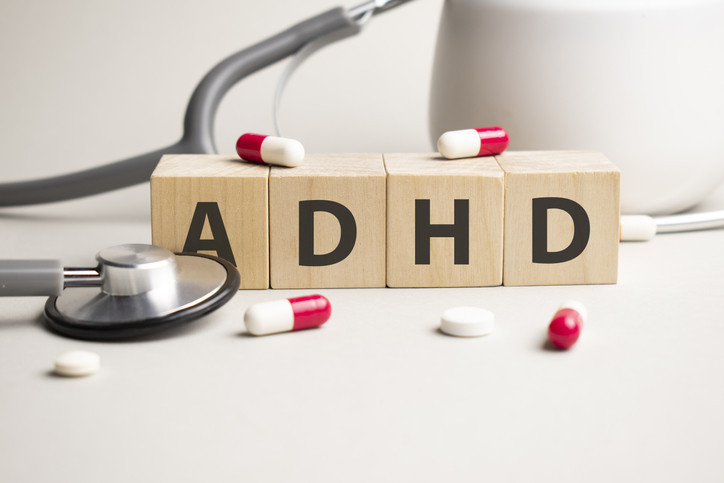
Attention deficit disorder linked to higher heart disease risk
People with attention-deficit hyperactivity disorder, a condition marked by trouble focusing and impulsive behavior, may be more likely to have cardiovascular disease that people without the disorder.

Eating disorders in midlife
By age 40, one in five women has dealt with an eating disorder, twice the proportion of women known to be affected by age 21. Risks for anorexia, bulimia, and binge eating can rise at midlife due to job stressors, an empty nest, and dating again after divorce or widowhood. Health effects can include bone loss, heart problems, lung conditions, gastrointestinal issues, diabetes, and skin breakdown. Signs of an eating disorder include dramatic weight fluctuations, excessive exercising, and preoccupation with weight, calories, and body size and shape.

Kidney health quick-start guide
Unhealthy lifestyle habits, chronic diseases, and genetic conditions can damage the kidneys and reduce their ability to do their many jobs. But many precautions can help protect the kidneys. Examples include controlling diabetes; lowering high blood pressure; moderating intake of salt, alcohol, and protein; limiting intake of oxalate-rich foods such as spinach, almonds, or cashews; losing weight; stopping smoking; exercising regularly; staying hydrated; limiting the use of nonsteroidal anti-inflammatory drugs (NSAIDs); and getting annual kidney function tests.

Heart health guidelines get updated
The American Heart Association recently revised its checklist for achieving optimal heart health. Adequate sleep was added, and updates were made to previous recommendations for diet, cholesterol and blood sugar measurements, and nicotine exposure.

When is the "right" time for weight loss surgery?
Weight-loss surgery is now viewed as a way to both prevent and treat health problems linked to extreme obesity, such as diabetes, heart disease, and sleep apnea. Annually, more than 250,000 Americans undergo bariatric procedures, which can help extend their lives. Weight-loss procedures include sleeve gastrectomy, gastric bypass, and gastric banding, which reduce stomach size and change the way the body absorbs food. The surgery adds to other weight-loss measures such as diet, exercise, and medications.

Hybrid exercise training
Hybrid exercise training combines heart-pumping aerobic action with muscle-strengthening moves in the same exercise session. The strategy has the advantage of meeting two key goals of the federal Physical Activity Guidelines in one fell swoop. And it also appears to be one of the best—and most time-efficient—ways for people who are overweight to lower their risk of cardiovascular-related risk factors. Strong muscles boost a person's basal metabolic rate—the amount of energy the body needs to keep working during rest. That improves weight-loss efforts by ramping up the number of calories burned.

Putting potassium in perspective
Too much or too little potassium can harm the heart. Diet, medications, and kidney function can affect the body's potassium level. Dietary potassium helps keep blood pressure in a normal range, but most Americans don't consume enough of this mineral. However, people taking medications that raise potassium levels—which includes certain drugs to treat high blood pressure and heart failure—should avoid salt substitutes made with potassium chloride.

What is the ideal blood pressure number?
Recent guidelines suggest a blood pressure reading of less than 120/80 mm Hg as normal. But the ideal number for individuals depends on their individual goals and whether they also have a chronic condition, such as heart disease or kidney disease.
Signs of pneumonia: Sometimes vague and unexpected
Using a vibration plate: What it can — and can't — do for your body
The surprising link between ovarian cancer and the fallopian tubes
People who walk more or walk faster live longer, study finds
For sleep apnea, a dental device may be as effective as CPAP
Rosacea treatments: What works?
Carb cycling: What is it, and does it work?
Salmonella, E. coli, Cyclospora, and other germs that cause food poisoning: What you need to know
Melatonin or magnesium: Can either supplement help you sleep?
Understanding orthorexia: Have your healthy eating goals gone too far?
Free Healthbeat Signup
Get the latest in health news delivered to your inbox!
Sign Up
