

Whole grains may improve several heart risk factors at once

Light exposure at night may raise risk for heart disease

Children of centenarians may stay healthier and live longer too, study finds

A lumbar belt may help ease low back pain

Signs of pneumonia: Sometimes vague and unexpected

Using a vibration plate: What it can — and can't — do for your body

The surprising link between ovarian cancer and the fallopian tubes

People who walk more or walk faster live longer, study finds

Rosacea treatments: What works?

For sleep apnea, a dental device may be as effective as CPAP
Diet and nutrition Archive
Articles

Cohabitating couples share heart-related habits, risks
Research we're watching
Couples who live together tend to have similar health habits. But only about one in five couples falls into the "ideal" category for heart-healthy habits and risk factors, suggests a study in the Oct. 26, 2020, issue of JAMA Network Open.
Researchers looked at health data on 5,365 couples from diverse racial and economic backgrounds throughout the United States. Most were in their 40s and 50s. Based on risk factors from the American Heart Association's Life's Simple 7 (smoking status, body mass index, exercise, diet, total cholesterol, blood pressure, and fasting blood sugar), researchers categorized individuals and couples as poor, intermediate, or ideal for each factor and over all.

Will these surprising factors really raise your blood sugar?
Learn what will and won't increase blood sugar levels and put your health in jeopardy.
It's essential to keep your blood sugar from spiking (rising suddenly), whether you're healthy or you're among the 122 million Americans who have diabetes or prediabetes. But with all the conflicting advice in circulation, it can be hard to figure out what foods and habits you need to avoid.
Bogus claims
On the Internet you'll find many reports of factors that purportedly increase blood sugar. Here are a few claims that you should know about because they just don't hold up.

Inflammatory foods and sweet drinks raise heart disease risk
In the journals
Two recent studies shined a new spotlight on how inflammatory foods and drinks can affect heart disease risk. One study, published Nov. 10, 2020, in the Journal of the American College of Cardiology, looked at the impact high- and low-inflammatory diets had among 210,000 people free of heart disease at the beginning of the study. High-inflammatory diets were defined as those with more red, processed, and organ meats; refined carbohydrates; and sweetened drinks. In contrast, anti-inflammatory diets emphasize leafy greens (kale, spinach), dark yellow and orange vegetables (yellow peppers, carrots), whole grains, fruits, tea, coffee, and moderate amounts of red wine.
Participants' eating habits were recorded every four years for up to 32 years. Those who followed a high-inflammatory diet ended up with a 38% higher risk of heart disease and a 28% higher risk of stroke than those who ate a low-inflammatory diet.

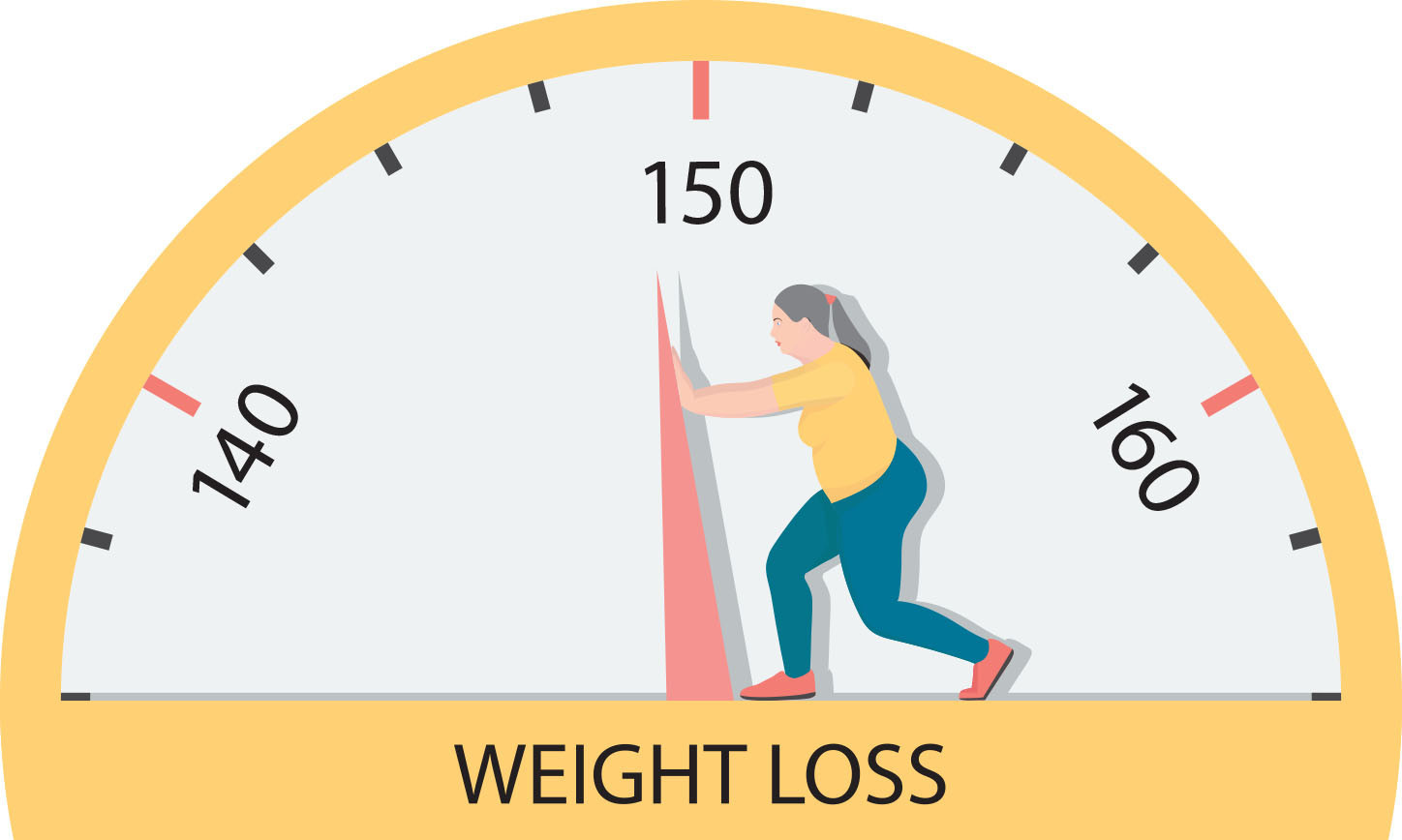
Tips to keep lost weight off in the New Year
Work with your body, not against it, for long-term weight maintenance.
For many people, their New Year's resolutions include some sort of weight-loss goal. However, while extra pounds often come off, evidence shows they rarely stay off. Among overweight or obese people who are able to lose 10% of their body weight, just one in six is able to maintain the weight loss for at least a year.
Experts say it's not surprising that weight loss rarely sticks, considering what they now know about how the body works. "Most people believe that obesity is caused by overeating, while we now recognize that the main driver of obesity is one or more disruptions in the body's normal regulation of the amount of fat we maintain," says Dr. Lee Kaplan, an associate professor of medicine at Harvard Medical School and director of the Obesity, Metabolism, and Nutrition Institute at Massachusetts General Hospital.

Harvard study: Unapproved drugs in brain-boosting supplements

Another benefit of drinking green tea or coffee
News briefs
Drinking coffee or green tea is associated with many health benefits, such as better cardiovascular health, lower inflammation levels, and a reduced risk for developing chronic disease. Now, a study published online Oct. 20, 2020, by BMJ Open Diabetes Research & Care suggests tea and coffee consumption are also linked to a reduced risk for early death among people with diabetes. Researchers evaluated the health and self-reported lifestyle habits — including diet — of about 5,000 people in Japan over five years. Compared with people who didn't drink any coffee or green tea, people who drank the most had much lower risks of premature death from any cause: about 40% lower for people who drank either two cups of coffee or four cups of tea per day; and 63% lower for people who drank both four cups of tea plus two cups of coffee per day. The study is only observational and doesn't prove that the drinks keep people alive longer. But we know coffee and tea contain powerful plant compounds with anti-inflammatory and antioxidant properties that are good for health.
Image: © taa22/Getty Images

Gut check: How the microbiome may mediate heart health
Your cholesterol and other factors linked to cardiovascular health may be influenced by the bacteria in your belly.
The roughly 38 trillion bacteria that dwell deep within your intestines perform many important tasks. Collectively known as the gut microbiota, these microbes help digest food, metabolize medications, and protect you from infectious organisms.
In many ways, your gut microbiota — which weighs about half a pound in total — functions somewhat like a distinct organ in your body. Just as you have a unique genome, you also have a unique gut microbiome, consisting of some eight million genes that control your microbiota. Scientists are still learning how the composition and diversity of the gut microbiome influence the health of the cardiovascular system.

Vitamins A, E, and D tied to fewer colds, lung disorders
News briefs
Getting enough vitamins through diet (or a multivitamin, if necessary) is one of the best ways to bolster your immune system. And you may wonder if vitamins can also ward off colds and other respiratory conditions. An observational study published Oct. 27, 2020, by BMJ Nutrition Prevention & Health offers encouraging news. Researchers evaluated the self-reported diet information of more than 6,000 British adults over eight years. People who reported the highest intakes of vitamins A and E from both diet and supplements, and high intake of vitamin D just from supplements, had the fewest complaints of respiratory illness, such as colds, asthma, and chronic obstructive pulmonary disease. The study doesn't prove that these vitamins prevented respiratory problems, but other studies have linked them to lower risks for respiratory disease. Vitamins are most effective when they come from diet. Good sources of vitamin A include liver; whole milk; cheese; carrots; and dark, leafy greens. Good sources of vitamin E include vegetable oils, nuts, and seeds. It's difficult to get enough vitamin D from food (such as fish or fortified milk), so taking 1,000 IU of vitamin D3 provides some insurance.
Image: © o-che/Getty Images

How important are whole grains in my diet?
On call
Q. I eat plenty of fruits and vegetables, but are whole grains also important?
A. Fruits and vegetables seem to get top billing on the healthy food list, but I put whole grains right up there. There are two types of grain: whole and refined. All grains grow as kernels, and each kernel has three layers:
Whole grains may improve several heart risk factors at once
Light exposure at night may raise risk for heart disease
Children of centenarians may stay healthier and live longer too, study finds
A lumbar belt may help ease low back pain
Signs of pneumonia: Sometimes vague and unexpected
Using a vibration plate: What it can — and can't — do for your body
The surprising link between ovarian cancer and the fallopian tubes
People who walk more or walk faster live longer, study finds
Rosacea treatments: What works?
For sleep apnea, a dental device may be as effective as CPAP
Free Healthbeat Signup
Get the latest in health news delivered to your inbox!
Sign Up
