

Whole grains may improve several heart risk factors at once

Light exposure at night may raise risk for heart disease

Children of centenarians may stay healthier and live longer too, study finds

A lumbar belt may help ease low back pain

Signs of pneumonia: Sometimes vague and unexpected

Using a vibration plate: What it can — and can't — do for your body

The surprising link between ovarian cancer and the fallopian tubes

People who walk more or walk faster live longer, study finds

Rosacea treatments: What works?

For sleep apnea, a dental device may be as effective as CPAP
Diet and nutrition Archive
Articles

Fruit of the month: Tropical fruits
Tropical fruits are those native to warm, tropical climates and include everyday favorites such as bananas and oranges. Here, we're highlighting a few slightly more exotic choices that deserve a place on your shopping list at least once in a while. Try these suggestions when you're craving something sweet for a snack or after dinner.
Pineapple. Sure, canned pineapple is convenient, but the flavor of a fresh pineapple is far more vibrant. Try pineapple chunks tossed with chopped fresh mint.

The right plant-based diet for you
Most plant-based diets emphasize foods associated with heart benefits. However, some plant foods, such as fruit juices, refined grains, processed cereals, and potatoes, can be harmful. The goal is to emphasize heart-healthy plants.

Small tricks to help you shed pounds and keep them off
Weight loss can be challenging, but there are some strategies for success.
Image: © Wand_Prapan/Getty Images
If you're struggling to lose weight, you probably feel like the odds are stacked against you. You're not necessarily wrong.
"There is so much great-tasting food, and it's abundant and in your face all the time. To me it's kind of a miracle that people aren't even heavier than they are," says Dr. Meir Stampfer, a professor of epidemiology and nutrition at the Harvard T.H. Chan School of Public Health. In addition to an abundance of food, most people today also have a far more sedentary lifestyle than past generations. "Even active people who exercise a lot aren't expending the calories their ancestors did," says Dr. Stampfer.
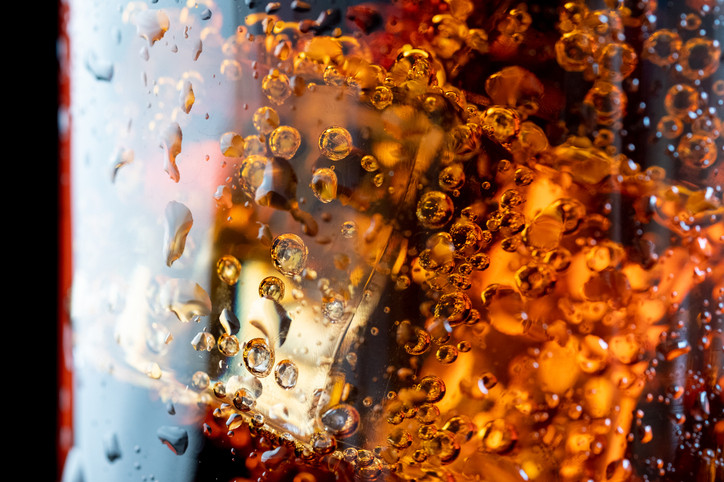
Zero weight loss from zero calorie drinks? Say it ain’t so
Trying to cut back on calories by drinking diet soda or flavored sparkling water may not help with weight loss, and some research suggest it may actually lead to weight gain. But why, and what are the alternatives?

Heavy metals in baby food? What parents should know and do
Worrisome levels of arsenic, lead, and other elements called heavy metals that can harm the developing brain are found in some commercial baby foods, according to a recent report. Here’s what parents should know and can do to protect young children.

"Green" Mediterranean diet: Better than the original?
Research we're watching
Widely considered the healthiest diet for your heart, the Mediterranean diet is rich in plant-based foods and features only small amounts of meat and dairy products. But a variation that includes more green plant foods may be even better for you, a small study suggests.
The study included 294 sedentary, moderately obese people whom researchers randomly divided into three groups. Each received different dietary advice: a standard healthy diet, a low-calorie Mediterranean diet, or a "green" Mediterranean diet. Both Mediterranean diet groups included about a quarter-cup of walnuts daily, and poultry and fish replaced beef and lamb.

A flavanol-rich diet may increase brain function
In the journals
Flavanols give fruits and vegetables their bright colors. They are also found in tea and cocoa. Observational studies have shown that eating foods rich in flavanols is linked with less cognitive decline as people age. New research suggests a possible reason why: flavanols appear to improve blood flow to the brain.
Researchers gave cocoa flavanols to 18 healthy adults in two separate trials. In one, the people consumed a cocoa drink with about 681 milligrams (mg) of flavanols. In the other, they had a cocoa drink with about 4 mg of flavanols. About two hours after having the cocoa drink, participants briefly inhaled air with high concentrations of carbon dioxide to raise their blood level above normal. (The brain's normal response to high blood carbon dioxide levels is to increase both blood flow to the brain and its uptake of oxygen.) The researchers then measured the speed of brain oxygenation and administered a set of mental tasks to assess cognitive performance. People had a faster brain oxygenation response after consuming high amounts of flavanols compared with lower amounts. They also scored higher on the cognitive tests and correctly solved problems 11% quicker.

Why junk food diets may raise heart disease risk
Hamburgers, fries, sugary sodas, and other less healthy foods may cause inflammation, a key player in the formation of artery-clogging plaque.
Eating foods such as red meat and sugary treats may trigger inflammation, raising your risk of cardiovascular disease. But a diet rich in fruits, vegetables, and other anti-inflammatory foods reduces the risk, according to a large Harvard study.
"These new findings help explain why certain foods we consider unhealthy may be contributing to plaque buildup inside arteries," says Dr. Kathryn Rexrode, associate professor of medicine at Harvard Medical School and a co-author of the study, published last year in the Journal of the American College of Cardiology. Inflammation is marked by the release of molecules called cytokines into the bloodstream. These attract immune cells to artery walls, contributing to the development of plaque, she explains.

Low fat, low carb, or Mediterranean: which diet is right for you?
Losing weight sometimes takes experimentation. If you give a diet your best shot and it doesn't work long term, maybe it wasn't the right one for you, your metabolism, or your situation. Genes, family, your environment — even your friends — influence how, why, what, and how much you eat, so don't get too discouraged or beat yourself up because a diet that "worked for everybody" didn't pay off for you. Try another, keeping in mind that almost any diet will help you shed pounds — at least for a short time.
Here's a look at three common diet approaches.

Why stress causes people to overeat
Stress eating can ruin your weight loss goals – the key is to find ways to relieve stress without overeating
There is much truth behind the phrase "stress eating." Stress, the hormones it unleashes, and the effects of high-fat, sugary "comfort foods" push people toward overeating. Researchers have linked weight gain to stress, and according to an American Psychological Association survey, about one-fourth of Americans rate their stress level as 8 or more on a 10-point scale.
In the short term, stress can shut down appetite. The nervous system sends messages to the adrenal glands atop the kidneys to pump out the hormone epinephrine (also known as adrenaline). Epinephrine helps trigger the body's fight-or-flight response, a revved-up physiological state that temporarily puts eating on hold.
Whole grains may improve several heart risk factors at once
Light exposure at night may raise risk for heart disease
Children of centenarians may stay healthier and live longer too, study finds
A lumbar belt may help ease low back pain
Signs of pneumonia: Sometimes vague and unexpected
Using a vibration plate: What it can — and can't — do for your body
The surprising link between ovarian cancer and the fallopian tubes
People who walk more or walk faster live longer, study finds
Rosacea treatments: What works?
For sleep apnea, a dental device may be as effective as CPAP
Free Healthbeat Signup
Get the latest in health news delivered to your inbox!
Sign Up
