

Whole grains may improve several heart risk factors at once

Light exposure at night may raise risk for heart disease

Children of centenarians may stay healthier and live longer too, study finds

A lumbar belt may help ease low back pain

Signs of pneumonia: Sometimes vague and unexpected

Using a vibration plate: What it can — and can't — do for your body

The surprising link between ovarian cancer and the fallopian tubes

People who walk more or walk faster live longer, study finds

Rosacea treatments: What works?

For sleep apnea, a dental device may be as effective as CPAP
Diet and nutrition Archive
Articles

Eating high-quality carbohydrates may stave off middle-age weight gain
A 2023 study suggests that avoiding low-quality carbohydrates such as refined grains, sugar-sweetened drinks, and starchy vegetables may help middle-aged adults avoid weight gain.

Could this diet ward off COVID?
In a 2024 study, people who reported eating plant-based diets were 39% less likely to have had COVID-19, compared with people who said they were meat eaters.

Putting processed foods into perspective
Whole or minimally processed foods tend to be best for heart health. But many processed foods-and even some that are ultra-processed-are also good options, provided people choose wisely. In three large studies, ultra-processed whole-grain bread, breakfast cereals, and yogurt were linked to a lower risk of type 2 diabetes and cardiovascular disease. Artificially and sugar-sweetened beverages, processed meats, and ready-to-eat dishes were linked to higher risks of those conditions.

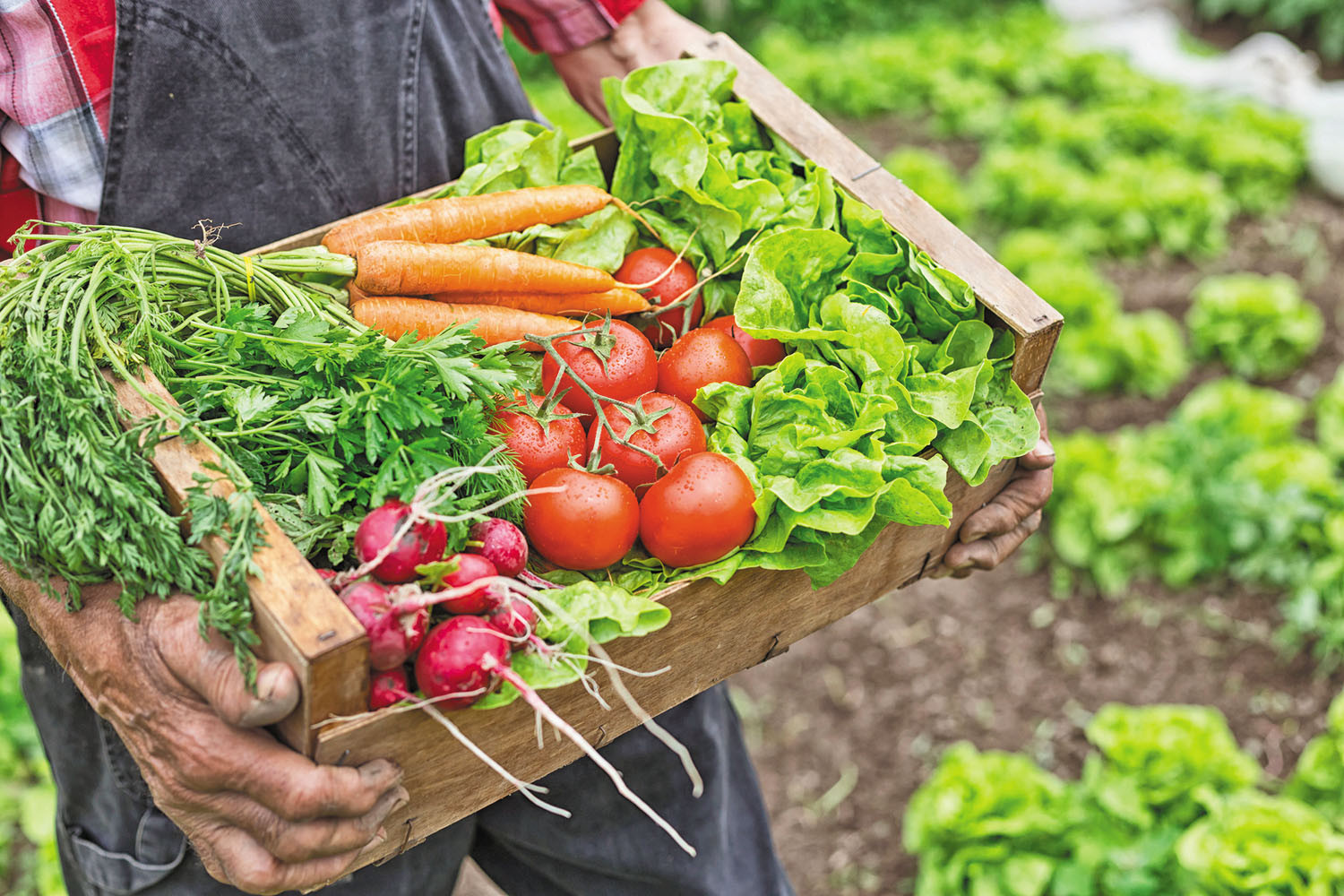
Should you try the keto diet?
The ketogenic diet deprives the body of carbohydrates for fuel. Instead, the body uses ketone bodies, a type of fuel that the liver produces from stored fat. Keto diet followers must eat fat at each meal. In a daily 2,000-calorie diet, that might look like 165 grams of fat, 40 grams of carbs, and 75 grams of protein. Ditching carbs means limiting fruits and vegetables, which raises the risk for nutrient deficiencies. The keto diet also increases the risk for kidney, liver, mood, and thinking problems.

11 foods that lower cholesterol
Certain foods, such as beans, oats and whole grains, fatty fish, and fruits and vegetables that are high in fiber, can lower "bad" LDL cholesterol.

How to shop for healthier foods
Men's diets should include plenty of whole foods like fruits, vegetables, legumes, and whole grains, while avoiding high amounts of processed foods. However, men should be mindful about reading food labels when shopping to ensure they get more of the healthiest nutrients and much less of certain substances. In particular, men should focus on adding more fiber and decreasing their intake of sodium and added sugar.


Eating more tomatoes may help lower high blood pressure
A 2023 study found that people who said they ate the most tomatoes (more than 110 grams per day, for three years) experienced a 36% reduction in hypertension, compared with people who said they ate the least tomatoes per day (less than 44 grams).

The colonoscopy diet
It's a good idea to eat a certain diet before and after a colonoscopy. Eating a low-fiber diet a few days before the procedure helps move foods through the colon quickly, which can make colon prep easier. On the day before the procedure, it's important to consume only clear liquids (such as broth or bouillon, black coffee, plain tea, clear juices, clear soft drinks or sports drinks, Jell-O, and popsicles). After the procedure, it's safe to resume a normal diet. But eating too much fiber too quickly might cause gas, bloating, and discomfort. It might be wisest to restart a normal fiber-rich diet gradually.
Whole grains may improve several heart risk factors at once
Light exposure at night may raise risk for heart disease
Children of centenarians may stay healthier and live longer too, study finds
A lumbar belt may help ease low back pain
Signs of pneumonia: Sometimes vague and unexpected
Using a vibration plate: What it can — and can't — do for your body
The surprising link between ovarian cancer and the fallopian tubes
People who walk more or walk faster live longer, study finds
Rosacea treatments: What works?
For sleep apnea, a dental device may be as effective as CPAP
Free Healthbeat Signup
Get the latest in health news delivered to your inbox!
Sign Up
