

Light exposure at night may raise risk for heart disease

Whole grains may improve several heart risk factors at once

A lumbar belt may help ease low back pain

Children of centenarians may stay healthier and live longer too, study finds

Signs of pneumonia: Sometimes vague and unexpected

The surprising link between ovarian cancer and the fallopian tubes

Using a vibration plate: What it can — and can't — do for your body

People who walk more or walk faster live longer, study finds
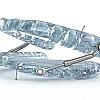
For sleep apnea, a dental device may be as effective as CPAP

Rosacea treatments: What works?
Diabetes Archive
Articles

Why do I itch more at night?
Nighttime skin itching can stem from dry skin, hormone changes, certain medications and skin care products, and rarely, a more serious illness. It can help to change bedding or pajamas, take short baths or showers, apply moisturizer liberally, and use a humidifier.

Taking the air out of bloating
Everyone feels bloated at times after eating. Bloating is a feeling of tightness, fullness, or pressure in the belly that comes along with abdominal swelling and mild to intense pain. Excessive gas buildup from a sluggish digestive system and problems digesting certain foods are the leading causes. While most bloating goes away after a while, for regular occurrences, people should examine their diet for trigger foods and use over-the-counter anti-gas remedies as needed. In cases of frequent or extended bloating, a doctor should see if other problems are present.

Lowering the volume of tinnitus
While there is no cure for tinnitus—the mysterious condition that causes a sound in the head with no external source—many people can manage symptoms and control their reaction by practicing sound therapy, masking, counseling or cognitive behavioral therapy. Sound therapy helps to change your brain's perception of tinnitus so it learns to ignore the noise, while masking works to cover up the sounds with background noise like white noise, ambient sounds, and nature music.

Warning: Older age makes you vulnerable to the summer heat
The ability to function relies on maintaining a core body temperature. In a hot environment, body temperature starts to rise and the body releases heat by sweating or by carrying blood away from the body's core to the skin surface, where heat leaves the body. But those functions wane in older age. As a result, heat can build up, putting organs at risk for severe damage. To avoid such problems, it helps to stay hydrated; avoid going outside during the peak temperatures of the day; stay inside in an air-conditioned environment; and wear lightweight, light-colored clothing in warm weather.

New recommendations for pneumococcal vaccination
In January 2022, the CDC published updated recommendations for vaccinating adults against pneumococcal disease and approved two new pneumococcal conjugate vaccines (PCVs).

Diabetes: Does a long-term study reinforce or change approaches to prevention?
Over two decades ago, the Diabetes Prevention Program study showed that type 2 diabetes could be slowed or even prevented in people with early signs of it. Now, a long-term follow-up study focusing on death rates from several causes has produced some surprising results.

Going off antidepressants
People who have been taking antidepressants for some time may wish to stop taking them due to unpleasant side effects. This can be accomplished, but it is best to taper the dosage slowly and be aware of the potential for discontinuation symptoms.

Apple cider vinegar... for heartburn?
There is a lot of anecdotal information about people using apple cider vinegar to treat heartburn, but no published research examining the validity of it.

French fries versus almonds: Calorie for calorie, which comes out on top?
A study compared eating a serving of French fries every day for a month to eating a serving of almonds with the same number of calories, and found that levels of some health markers were similar between the two groups — but those numbers don't tell the full story.

Could stress be making my acid reflux worse?
Emotional stress can aggravate gastroesophageal reflux disease (GERD), a condition in which gastric acid washes backward into the esophagus from the stomach. Managing stress through meditation or exercise can help.
Light exposure at night may raise risk for heart disease
Whole grains may improve several heart risk factors at once
A lumbar belt may help ease low back pain
Children of centenarians may stay healthier and live longer too, study finds
Signs of pneumonia: Sometimes vague and unexpected
The surprising link between ovarian cancer and the fallopian tubes
Using a vibration plate: What it can — and can't — do for your body
People who walk more or walk faster live longer, study finds
For sleep apnea, a dental device may be as effective as CPAP
Rosacea treatments: What works?
Free Healthbeat Signup
Get the latest in health news delivered to your inbox!
Sign Up
