

Healing after food poisoning

What is tempeh? Benefits, nutrition, and how to use it

Light exposure at night may raise risk for heart disease

Whole grains may improve several heart risk factors at once

A lumbar belt may help ease low back pain

Children of centenarians may stay healthier and live longer too, study finds

Signs of pneumonia: Sometimes vague and unexpected

The surprising link between ovarian cancer and the fallopian tubes

Using a vibration plate: What it can — and can't — do for your body

People who walk more or walk faster live longer, study finds
Dental Health Archive
Articles

The 7 types of rest and why we need them all
People may believe that rest and sleep are synonymous, but sleep is only one form of rest. People need seven different types of rest to feel recharged. These are physical, mental, spiritual, sensory, creative, emotional, and social rest.
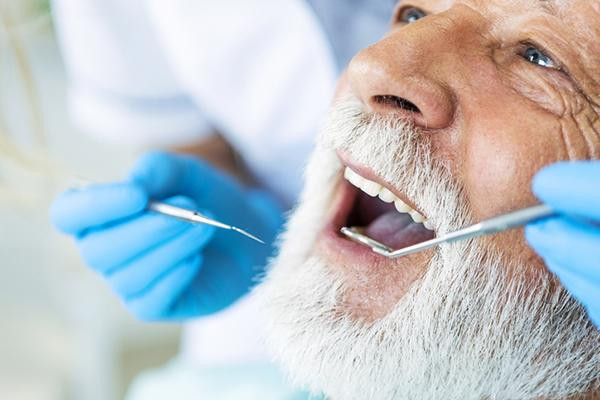
Gum disease may increase the risk for stroke and cognitive decline
A 2025 study found that in brain MRI scans, people with any evidence of gum disease were more likely to have higher amounts of a marker for disease in the brain's small blood vessels, compared to people without gum disease.
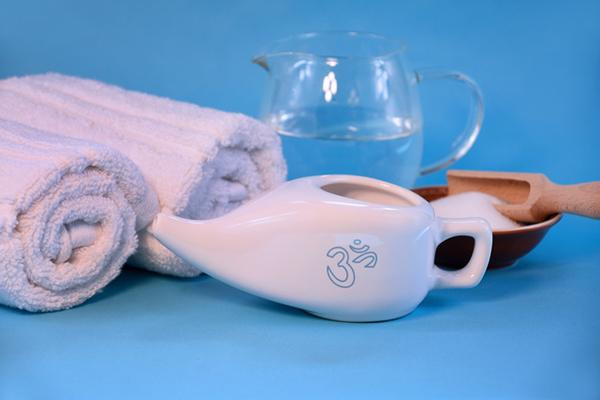
Can nasal irrigation help with winter colds and congestion?
Daily nasal irrigation (also called nasal rinses) may reduce symptom severity and the duration of a cold. It can also relieve the congestion caused by sinus infections and allergies. It is unclear whether it can prevent colds. By means of a squeeze bottle, neti pot, or battery-powered system, saline (salt water) is inserted into one nostril and flows out the other. It's important to always use sterile water, meaning distilled or cooled boiled water. The rinse helps wash away mucus and some inflammatory chemicals, reducing the swelling that's responsible for congestion.
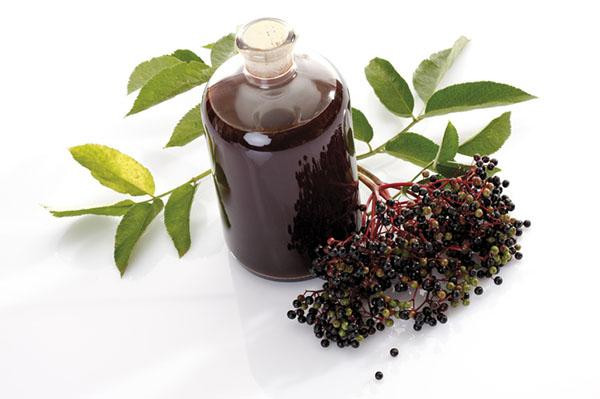
What are the health benefits of elderberry?
Elderberry syrup or tea may help reduce the duration and severity of cold and flu symptoms. But the evidence for these benefits is uncertain, since the studies are small and most did not compare elderberry to standard treatments. Claims that elderberry products can prevent viral infections or boost immunity are unproven. Elderberry supplements appear to be relatively safe; in clinical trials, effects such as nausea, vomiting, or diarrhea were mild and rare.
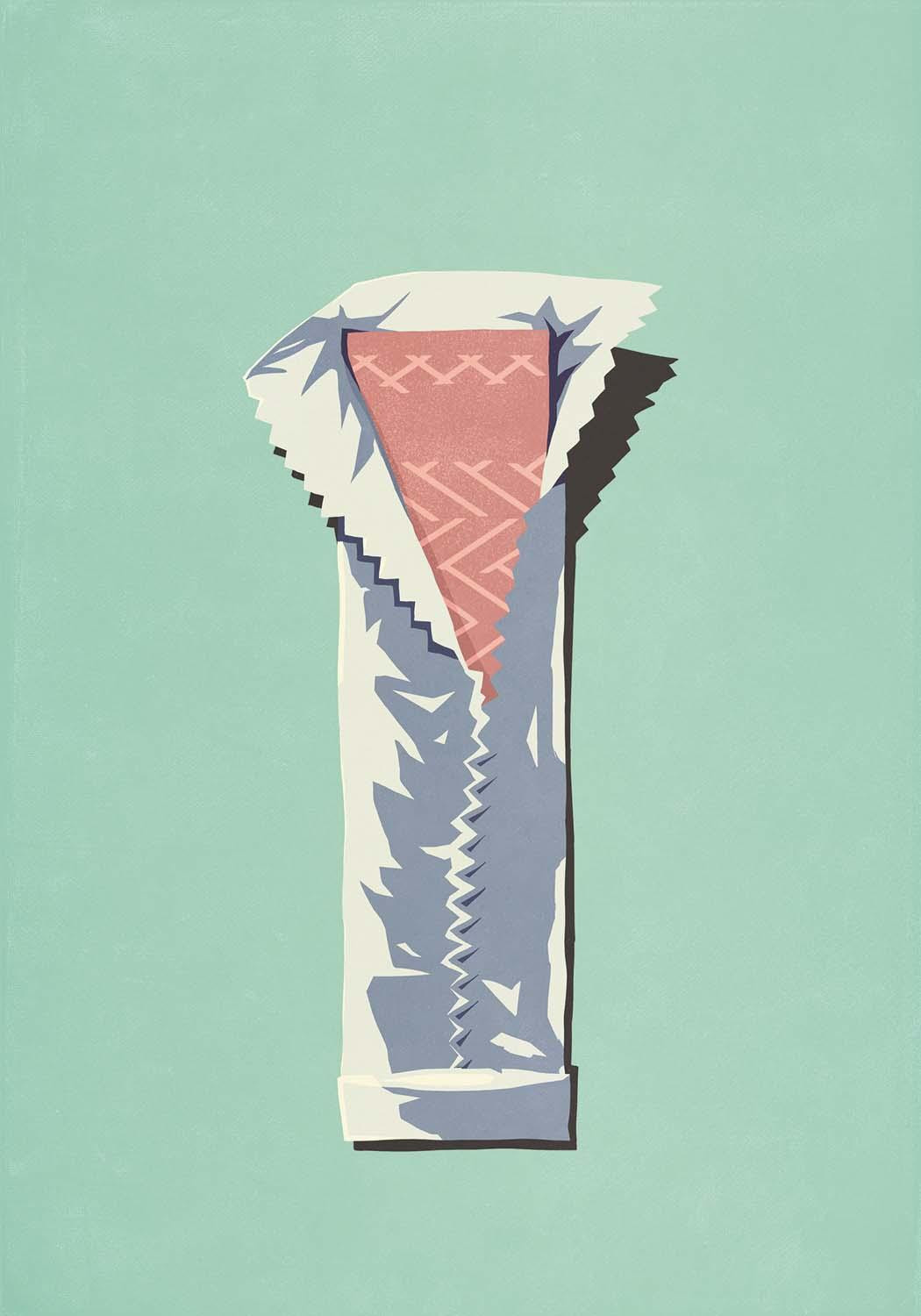
Is constant gum-chewing a bad idea?
Evidence suggests that chewing gum can help people feel more focused and less stressed. Chewing sugar-free versions can hinder cavities. But constant gum-chewing can tire jaw muscles, and xylitol-containing gum can trigger abdominal distress.


Over-the-counter pills better than opioids after dental surgery
In a 2025 study of 1,800 patients undergoing dental surgery, a combination of two over-the-counter pain relievers was more effective and produced fewer side effects than prescription opioids for treating postsurgical pain.

4 ways your teeth and gums are changing
As people age, their teeth and gums can change. Examples include receding gums, shifting teeth, changing tooth color, and reduced tooth pain. These changes can be due to the wear and tear that comes with age, the development of disease, or natural changes in the components of tooth material. Dentists stress the importance of brushing and flossing teeth daily, getting teeth professionally cleaned twice a year, and talking to a dentist about solutions to dental problems.


Why do I choke on my saliva?
People may choke on their own saliva when talking quickly, laughing, or turning their head. Other causes include postnasal drip or dry mouth, which medications may trigger. Certain health conditions can also affect swallowing.
Healing after food poisoning
What is tempeh? Benefits, nutrition, and how to use it
Light exposure at night may raise risk for heart disease
Whole grains may improve several heart risk factors at once
A lumbar belt may help ease low back pain
Children of centenarians may stay healthier and live longer too, study finds
Signs of pneumonia: Sometimes vague and unexpected
The surprising link between ovarian cancer and the fallopian tubes
Using a vibration plate: What it can — and can't — do for your body
People who walk more or walk faster live longer, study finds
Free Healthbeat Signup
Get the latest in health news delivered to your inbox!
Sign Up
