
Sacroiliac joint pain: Causes, symptoms, and exercises that help

What causes knee pain: How doctors make a diagnosis
Study: At-home colorectal cancer screening may significantly cut colon cancer deaths
Where you carry excess weight matters in predicting heart disease risk

Tai chi walking: What is it and does it work?

Fatty liver disease: Should you be tested?

Weight-loss drug may lower risk of heart attacks and infections

Testosterone therapy without evidence of deficiency may boost heart risk

Even a little exercise linked with lower stroke risk in people with afib

FDA approves first mRNA-based flu vaccine
DASH diet Archive
Articles

Broccoli and related veggies may boost blood vessel health
Research we're watching
Eating a daily serving of cabbage, cauliflower, broccoli, or brussels sprouts is linked to a lower likelihood of harmful calcium buildup in the aorta, the body's largest artery, according to a new report.
The study featured 694 older Australian women who were initially enrolled in a study looking at diet, supplements, and bone fractures. The spine imaging tests used in the study also revealed the amount of calcification in the abdominal portion of the aorta. So researchers used those data to explore the link between diet and aortic calcification, a sign of plaque buildup (atherosclerosis) that leads to cardiovascular disease. The study, which was published online July 17, 2020, by the British Journal of Nutrition, found 46% lower odds of extensive abdominal aortic calcification among women who ate at least 45 grams of cruciferous vegetables daily (equal to one serving; about a half-cup) as compared with women who ate less than 15 grams of cruciferous veggies a day. The vegetables contain substances such as fiber that help discourage atherosclerosis.

Broccoli and brussels sprouts may promote heart health
Broccoli, brussels sprouts, and other cruciferous vegetables are associated with fewer calcified fatty plaques in the aorta.

The new-old way to treat gout
New guidelines suggest doing more of the same. The problem is that many people don't.
You never forget your first gout attack. The severe pain, swelling, and redness hits hard and fast. The initial attack often strikes your big toe's large joint, but later ones might affect the foot or ankle. Other hot spots include the knees, hands, and wrists.
First-line treatment is quite effective and includes anti-inflammatory medications, ice therapy, and rest. A combination of diet and lifestyle changes and prescription drugs — an approach called urate-lowering therapy, or ULT — is typically recommended if attacks recur or become more severe.

Eat more plant-based proteins to boost longevity
News briefs
If you'd like to try a vegan diet but can't imagine nixing all animal products, consider two recent findings. One, published online July 22, 2020, by The BMJ, comes from researchers at Harvard and Tehran University. They analyzed 32 studies about protein intake that included more than 715,000 people, with follow-up periods ranging from three-and-a-half years to over three decades. Combining data from multiple studies, the researchers calculated that getting 3% more of total calories in the form of plant protein (like beans, nuts, and whole grains) lowered people's risk for premature death by 5%. Another study, published online July 13, 2020, by JAMA Internal Medicine, looked at the survival rates of more than 416,000 people who'd reported their diet and lifestyle information 16 years earlier (when they were 50 to 71 years old). In this study, shifting just 3% of calorie intake from animal protein (meat, poultry, fish, or dairy products) to plant protein corresponded with a 10% decrease in death from any cause over that period, for both men and women. In particular, replacing eggs and red meat with plant proteins appeared to reduce death risk by as much as 24% in men and 21% in women — especially in people with high intake of eggs and red meat. The new findings don't prove that favoring plant-based proteins will add years to your life, but many other studies have associated high intakes of red and processed meats with shorter life span.
Image: © Arx0nt/Getty Images
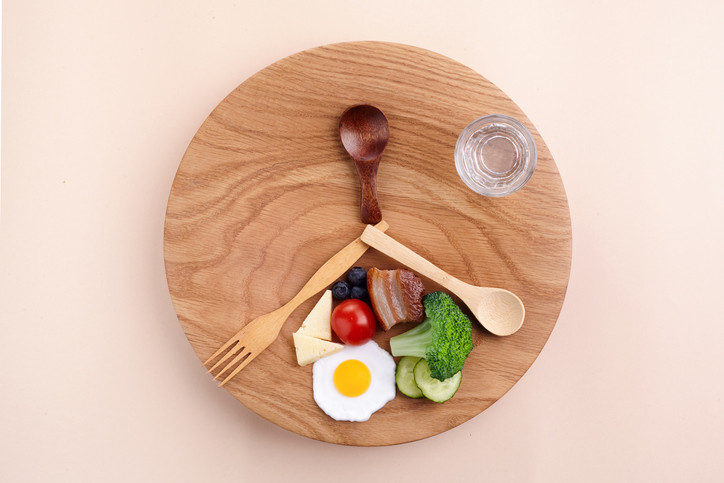
Intermittent fasting: Does a new study show downsides — or not?
Growing evidence shows that intermittent fasting leads to significant weight loss. A recent study contradicted these findings, but the way this study was designed and implemented raises some questions about its conclusions.


What you need to know about calcium
Calcium is billed as the bone-building nutrient. But some experts argue that we should pay more attention to exercise and vitamin D.
Starting on your 51st birthday, current government guidelines say you're supposed to consume 1,200 milligrams (mg) of calcium daily. With advancing years, both men and women begin to experience a decline in the density of bones that makes them weaker and more likely to break. In essence, your bone becomes more porous, and calcium supposedly fills in the holes.
But the amount of calcium adults need continues to be debated. The critics say there's little evidence that high intake has more than a marginal effect on bone density and fracture prevention. They say exercise and reversing vitamin D deficiency are not promoted enough and are more important for bone health. Professor Walter Willett, chair of the nutrition department at the Harvard School of Public Health, is one of the leading lights in the critical camp.

Getting your vitamins and minerals through diet
The benefits of multivitamins are looking doubtful. Can we do without them?
The answer is a qualified yes – we can do without them, as long as you eat a well-balanced diet rich in fruits and vegetables.
In the past, doctors often suggested a standard multivitamin with minerals each day. They don't cost much, and earlier studies had shown some benefits. For example, it appeared that folic acid and other B vitamins might lower the risk of heart disease, stroke and possibly cancer. But more recent studies have shown no added benefit of multivitamins for healthy people that eat a balanced diet.

Flavonoids: The secret to health benefits of drinking black and green tea?
Plant chemicals known as flavonoids may explain why tea drinkers seem less likely to have cardiovascular disease.
Black or green, hot or iced, tea is gaining in popularity. Many cities and shopping malls feature specialty tea shops, and bottled teas vie for space on store shelves. The tea market continues to grow year after year.
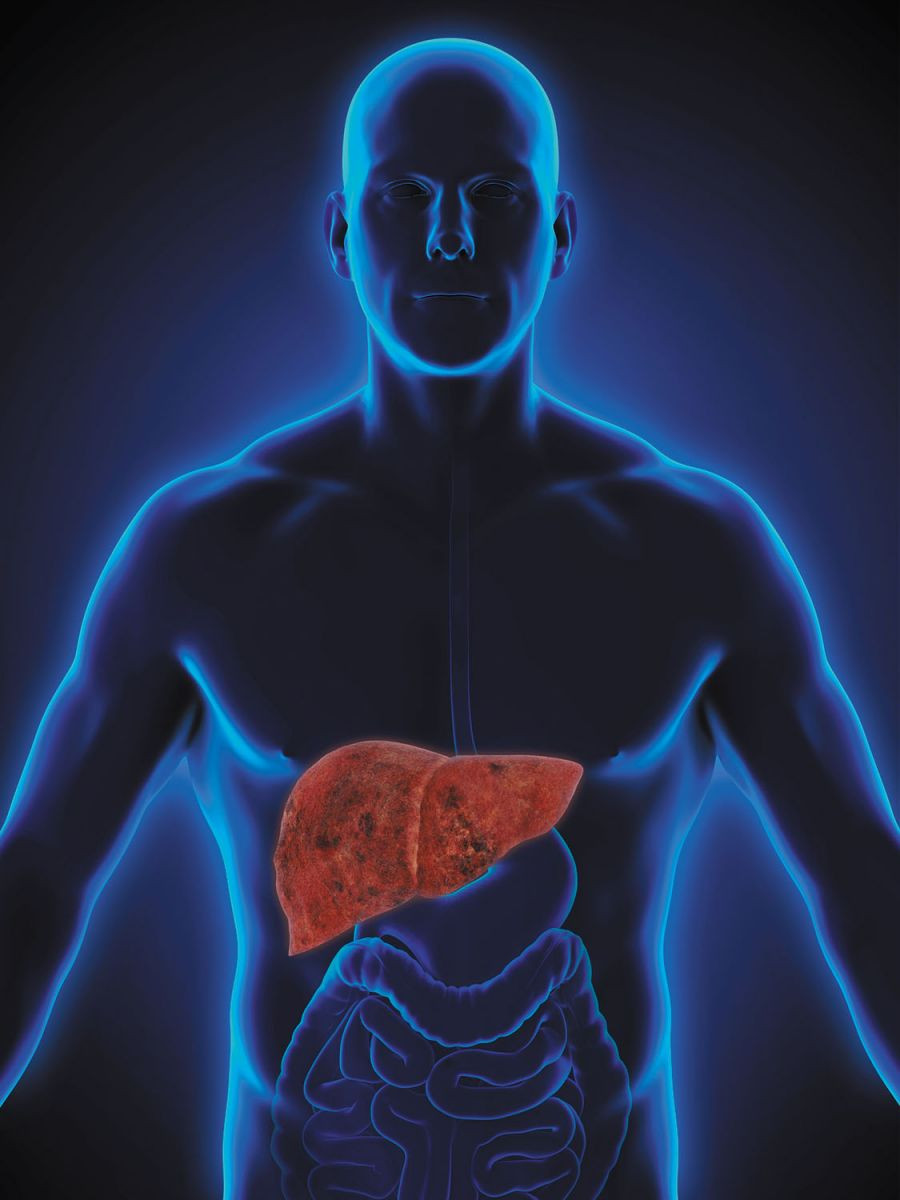
The skinny on fatty liver disease
Rates continue to rise, but there are ways to protect yourself and even reverse the effects of this dangerous disorder.
Your liver is your largest internal organ and your body's workhorse. Among its many jobs are converting food into fuel, processing fat from your blood, clearing harmful toxins, and making proteins that help your blood clot. Yet this hard-working, supersized organ is susceptible to a dangerous and often hard-to-diagnose condition called nonalcoholic fatty liver disease, or NAFLD.
NAFLD is defined as the presence of fat in more than 5% of liver cells. It is the most common liver disease and affects up to 25% of American adults, 60% of whom are men.
Sacroiliac joint pain: Causes, symptoms, and exercises that help
What causes knee pain: How doctors make a diagnosis
Study: At-home colorectal cancer screening may significantly cut colon cancer deaths
Where you carry excess weight matters in predicting heart disease risk
Tai chi walking: What is it and does it work?
Fatty liver disease: Should you be tested?
Weight-loss drug may lower risk of heart attacks and infections
Testosterone therapy without evidence of deficiency may boost heart risk
Even a little exercise linked with lower stroke risk in people with afib
FDA approves first mRNA-based flu vaccine
Free Healthbeat Signup
Get the latest in health news delivered to your inbox!
Sign Up
