

Healing after food poisoning

What is tempeh? Benefits, nutrition, and how to use it

Light exposure at night may raise risk for heart disease

Whole grains may improve several heart risk factors at once

A lumbar belt may help ease low back pain

Children of centenarians may stay healthier and live longer too, study finds

Signs of pneumonia: Sometimes vague and unexpected

The surprising link between ovarian cancer and the fallopian tubes

Using a vibration plate: What it can — and can't — do for your body

People who walk more or walk faster live longer, study finds
COVID-19 Archive
Articles

Polio: What parents need to know now
Recent news reports about cases of polio have some parents concerned about the illness. The vaccine is safe and remarkably effective, and widespread vaccination builds herd immunity.

Hospitalized patients can bring home infections
Clostridioides difficile, a bacterium that causes severe diarrhea and colon inflammation, is common in hospitalized people. New research suggests that even patients who are not diagnosed with the infection in the hospital can bring it home and expose family members.
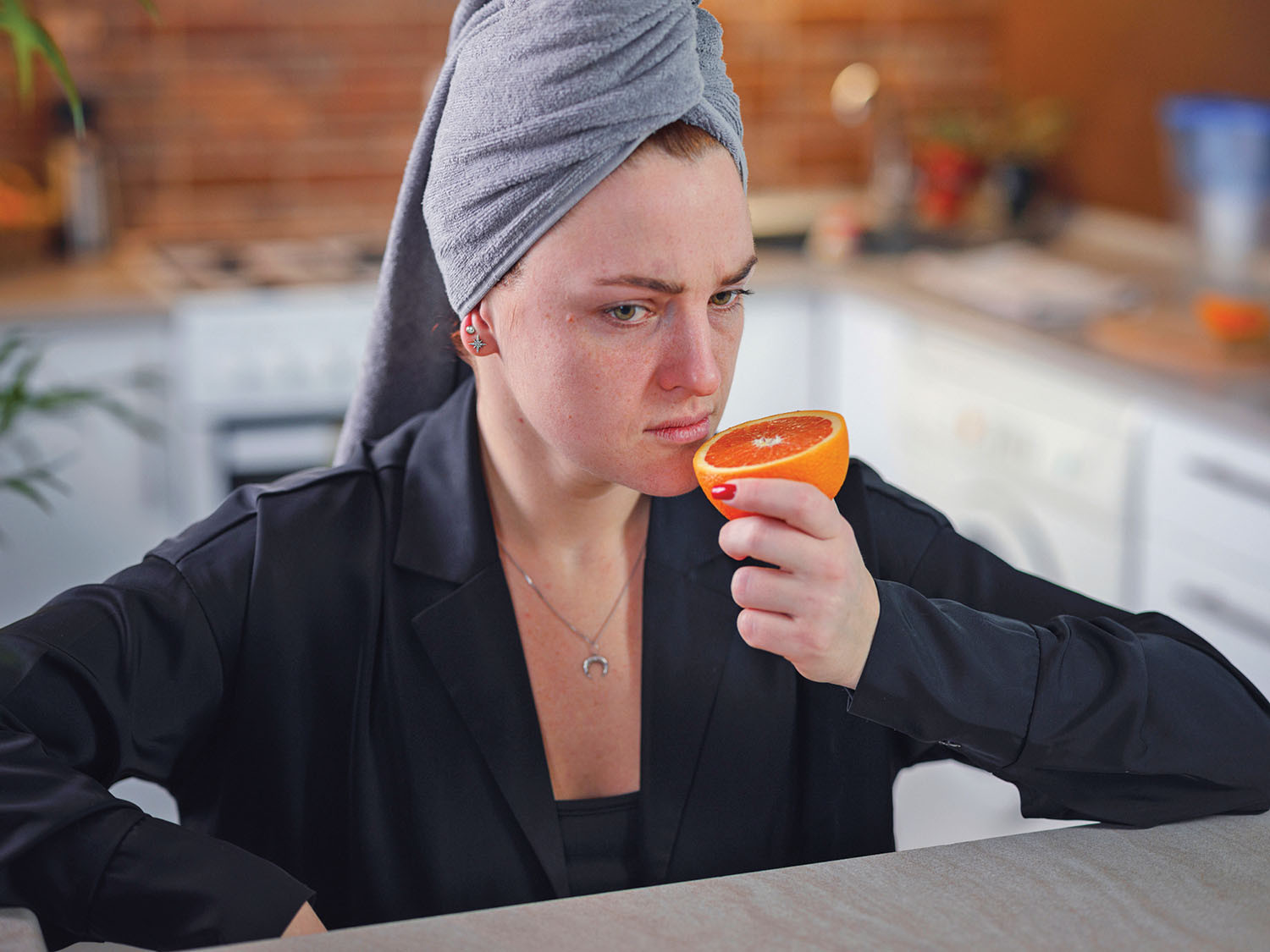
Long COVID symptoms differ between the sexes
A 2022 study found that women with long COVID showed more symptoms than men, including shortness of breath and fatigue.

Ring vaccination might help curtail monkeypox outbreaks
The monkeypox outbreak currently traveling around the globe is the largest ever recorded outside of western and central Africa. Controlling this virus demands preventive measures, and one method that has worked to contain previous disease outbreaks may be effective for monkeypox as well.

Monkeypox: An unfamiliar virus spreading fast — sound familiar?
More than two years after COVID-19 reached the US, an outbreak of monkeypox is spreading fast outside of Africa. This virus is not new, and it's likely to be less dangerous than COVID, but it's still important to be aware of its symptoms, spread, treatment, and prevention.

Preventing C. diff in and out of the hospital
The bacteria C. diff is responsible for half a million infections each year in the US. Many infections happen when people are hospitalized, but a recent report indicated that people can be infected without ever being hospitalized.

Poliovirus in wastewater: Should we be concerned?
Thanks to vaccination, the US has been polio-free since 1979, and the spread of this disease has been interrupted in most countries. But worldwide eradication of polio has been elusive, and traces of the virus were recently found in wastewater in London.

Diabetes risk increases after COVID-19 diagnosis
A 2022 study found that people who recover from COVID-19 face significantly higher risks of developing type 2 diabetes than those who had short-term upper respiratory tract infections, which are often caused by other viruses.

How COVID-19 can compromise your heart health
COVID survivors—even those with mild infections—appear to face a higher risk of cardiovascular problems such as heart failure, heart attack, and stroke for up to one year after their initial infection. People who were hospitalized (especially those who ended up in the intensive care unit) may have the highest risk. The virus that causes COVID can injure blood vessels and triggers an immune response that promotes the formation of blood clots in arteries and veins throughout the body and brain.

Answers to questions about long COVID
A troubling aspect of COVID infection is long COVID, also known as post-acute sequelae of SARS-CoV-2 infection, or PASC. PASC is marked by persistent symptoms 30 days or more after a person tests positive for COVID. Also, symptoms suggestive of PASC may emerge many weeks after recovery from the initial infection. Scientists are still learning about PASC, but they have discovered much so far, such as who may be at higher risk, what symptoms are common, how long it may last, and what people can do to protect themselves.
Healing after food poisoning
What is tempeh? Benefits, nutrition, and how to use it
Light exposure at night may raise risk for heart disease
Whole grains may improve several heart risk factors at once
A lumbar belt may help ease low back pain
Children of centenarians may stay healthier and live longer too, study finds
Signs of pneumonia: Sometimes vague and unexpected
The surprising link between ovarian cancer and the fallopian tubes
Using a vibration plate: What it can — and can't — do for your body
People who walk more or walk faster live longer, study finds
Free Healthbeat Signup
Get the latest in health news delivered to your inbox!
Sign Up
