

CoQ10: Should you take this popular supplement if you're on a statin?

Microplastics: A hidden health threat?

Oat vs. dairy milk: Nutrition, benefits, and downsides

What is tempeh? Benefits, nutrition, and how to use it

Healing after food poisoning

Children of centenarians may stay healthier and live longer too, study finds

Light exposure at night may raise risk for heart disease

Whole grains may improve several heart risk factors at once

A lumbar belt may help ease low back pain

Signs of pneumonia: Sometimes vague and unexpected
Contraception and birth control Archive
Articles

New radiation therapies keep advanced prostate cancer in check
Treatments for prostate cancer are always evolving, and now research is pointing to new ways of treating a cancer that has just begun to spread, or metastasize, after initial surgery or radiation. Doctors usually give hormonal therapies in these cases to block testosterone, which is a hormone that makes the cancer grow faster. But newer […]

U=U: Ending stigma and empowering people living with HIV
People living with HIV can suppress the virus by taking medication daily. If the level of virus in a person’s blood is suppressed successfully, research shows that the virus isn’t passed on to others. U=U means “undetectable equals untransmittable.”

Men and urinary tract infections
On call
Image: © KEMPSKI/Getty Images
Q. What causes urinary tract infections and are men at risk for getting them?
A. Although urinary tract infections (UTIs) are more common in women, men can get them, too. They occur when bacteria build up somewhere along your urinary tract. In men, UTIs can develop in the urethra (the tube that runs from the opening at the tip of the penis to the bladder), the bladder, the prostate, or the kidney.

COVID-19: If you’re older and have chronic health problems, read this
Older people who have a chronic medical condition are at increased risk for severe disease and death if they contract COVID-19. Just how old is “older,” what constitutes chronic disease, and how can you lower risks?

Toxic beauty
Are your personal care products putting your health at risk?
The average woman uses 12 different beauty products every day — cleansers, conditioners, hair dyes, fragrances, skin care products, scented lotions, nail polish, and makeup, to name a few. Take a quick glance at the labels, and you'll see a cocktail of chemical components.
You might assume that all these ingredients have been tested to ensure that they're safe for long-term use. That's not the case.

The heart of a healthy sex life
A regular sex life offers many heart health benefits. But can you stay sexually active with heart issues?
Regular sex is good medicine for your heart. But what if you've had a heart attack or a heart procedure? When is it safe to resume sex again — and should you?
"Most men can continue their sex life after a heart attack, unless there are additional circumstances that increase their risk," says Dr. Jason Matos, a cardiologist with Harvard-affiliated Beth Israel Deaconess Medical Center. "It depends on the person and his specific issue, but most men don't have to give up their sex life because of their heart health."

Exercise can reduce the side effects of prostate cancer treatments
In the journals
Men who choose androgen deprivation therapy (ADT) for their advanced prostate cancer can avoid possible side effects with short-term exercise, suggests a study published in January 2020 in BJU International.
Common side effects of ADT include weight gain, loss of muscle mass, lower cardio fitness, fatigue, and a drop in quality of life. These often occur within three months after treatment begins. In the study, researchers recruited 50 men with prostate cancer who began ADT. Half did two supervised exercise sessions per week for three months. The hourlong workouts included both aerobic and resistance exercises. The group then continued the workouts on their own for another three months.

Can alternative treatments help with painful fibroids?
Ask the doctors
Q. I have uterine fibroids and am experiencing some pain and discomfort from them. Are there any alternative treatments that I can use to help manage my symptoms?
A. If you are experiencing anemia, severe pain, or difficulty with urinating that may be due to fibroids, it's important to seek the advice of a doctor. However, there are some pain management options other than medications or surgery that may help relieve symptoms related to fibroids. These strategies haven't been proven to relieve pain from fibroids, but The National Center for Complementary and Integrative Health, in a 2017 review of complementary approaches to chronic pain, found they have some promise in helping other types of chronic pain, specifically lower back pain. These include acupuncture, an alternative medicine treatment that uses small needles applied at specific sites on the body to relieve chronic pain; yoga, a type of low-impact exercise that includes a series of postures and breathing techniques; relaxation techniques, such as deep breathing and mindfulness (a practice that encourages staying focused on the present moment); tai chi, originally practiced as a form of self-defense, which incorporates slow, deliberate movements and deep breathing exercises; and massage performed by a massage therapist.

OK, boomer: You’re not the only one who needs testing for hepatitis C
Recent guidelines for screening for hepatitis C focused on baby boomers because that population had most of the undiagnosed infections, but because new infections are increasing fastest in those 20 to 39, the guidelines have been revised.
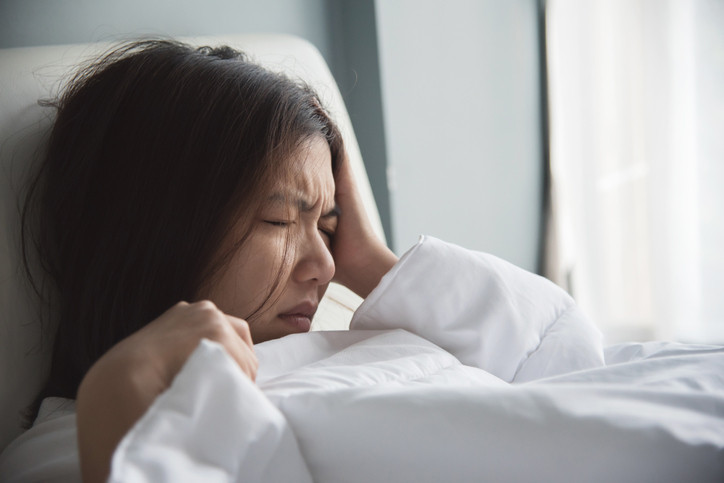
Have a headache? The top 7 triggers
There are several common triggers for headaches. Identifying the one that is causing your headache is the first step toward avoiding it or ensuring you can treat it properly.
CoQ10: Should you take this popular supplement if you're on a statin?
Microplastics: A hidden health threat?
Oat vs. dairy milk: Nutrition, benefits, and downsides
What is tempeh? Benefits, nutrition, and how to use it
Healing after food poisoning
Children of centenarians may stay healthier and live longer too, study finds
Light exposure at night may raise risk for heart disease
Whole grains may improve several heart risk factors at once
A lumbar belt may help ease low back pain
Signs of pneumonia: Sometimes vague and unexpected
Free Healthbeat Signup
Get the latest in health news delivered to your inbox!
Sign Up
