CoQ10: Should you take this popular supplement if you're on a statin?

Microplastics: A hidden health threat?

Oat vs. dairy milk: Nutrition, benefits, and downsides

What is tempeh? Benefits, nutrition, and how to use it

Healing after food poisoning

Children of centenarians may stay healthier and live longer too, study finds

Light exposure at night may raise risk for heart disease

A lumbar belt may help ease low back pain

Whole grains may improve several heart risk factors at once

Signs of pneumonia: Sometimes vague and unexpected
Concentration & Focus Archive
Articles

How to break a bad habit
We all have habits we'd like to break, but the brain doesn't make changes easily. Breaking an unhealthy habit can be done; to do so, it helps to understand what's happening in the brain, know why you want to change, and accept that there will be setbacks along the way.

Study links common virus to MS
A 2022 Harvard study suggests that an Epstein-Barr virus infection, the most common cause of mononucleosis, may trigger multiple sclerosis (MS) in some people.

A common virus may be one contributing cause of multiple sclerosis
The vast majority of diseases do not have a single cause; rather, multiple factors combine to cause a disease. Growing evidence suggests that several viruses may be triggers of multiple sclerosis, and a long-term study found evidence that an infection with a common virus can be an important contributing factor in MS.

Finding your focus
The brain has an enormous power to learn, remember, and solve problems. Yet, like any aging body part, it can gradually slow, and people may find it harder to concentrate and stay focused. Following certain strategies can help prepare the brain for situations that require a high level of focus and improve overall brain health.

Can ALS be caused by traumatic brain injury?
Though decades of research have suggested risk factors for amyotrophic lateral sclerosis, a specific cause remains unknown. New research studied professional football players and found that they had a much higher risk of developing ALS than men in the general population, though the study was only observational.
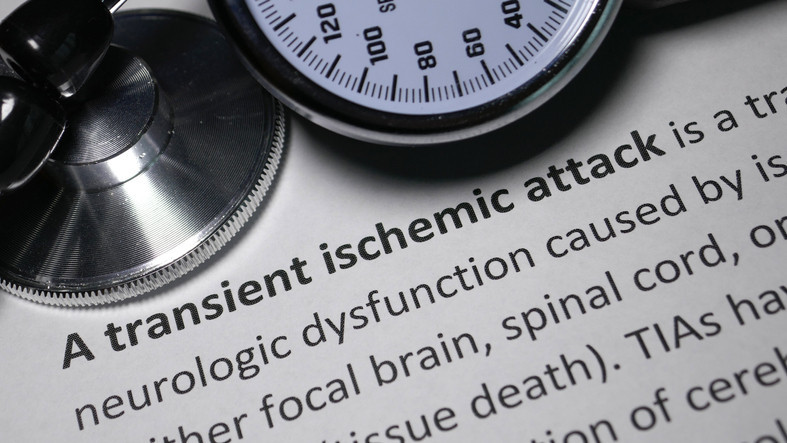
Transient ischemic attacks: Varied symptoms, all important

Sleep well — and reduce your risk of dementia and death
Although it has been known for some time that individuals with dementia frequently have poor, fragmented sleep, two new studies suggest that if you don't get enough sleep in midlife, you are at increased risk for dementia later in life.

How is treatment for myasthenia gravis evolving?
Myasthenia gravis (MG) is a rare neuromuscular disease that impairs the transmission of nerve signals to muscles, causing temporary weakness of affected muscles. While treatment is complex, recently updated guidelines have added to the understanding of MG and are improving approaches to treatment.

Sleep, stress, or hormones? Brain fog during perimenopause

What is COVID-19 brain fog — and how can you clear it?
We’ve all experienced the feeling of sluggish, fuzzy thinking and a lack of sharpness, possibly caused by an illness or a medication. But what if that feeling didn’t go away and your thinking didn’t return to normal? That’s the situation for some people who have recovered from COVID-19, and there can be long-term effects on other organs as well.
CoQ10: Should you take this popular supplement if you're on a statin?
Microplastics: A hidden health threat?
Oat vs. dairy milk: Nutrition, benefits, and downsides
What is tempeh? Benefits, nutrition, and how to use it
Healing after food poisoning
Children of centenarians may stay healthier and live longer too, study finds
Light exposure at night may raise risk for heart disease
A lumbar belt may help ease low back pain
Whole grains may improve several heart risk factors at once
Signs of pneumonia: Sometimes vague and unexpected
Free Healthbeat Signup
Get the latest in health news delivered to your inbox!
Sign Up