

CoQ10: Should you take this popular supplement if you're on a statin?

Microplastics: A hidden health threat?

Oat vs. dairy milk: Nutrition, benefits, and downsides

What is tempeh? Benefits, nutrition, and how to use it

Healing after food poisoning

Children of centenarians may stay healthier and live longer too, study finds

Light exposure at night may raise risk for heart disease

A lumbar belt may help ease low back pain

Whole grains may improve several heart risk factors at once

Signs of pneumonia: Sometimes vague and unexpected
Caregiving Archive
Articles


Stay safe playing pickleball
Pickleball continues to soar in popularity, especially among older adults. Unfortunately, more playing can lead to court-related injuries, the most common being strains and sprains in the legs and knees, and wrist sprains and fractures from falls. Pickleball injury prevention is threefold: performing lower-body strength exercises, such as lunges, squats, and heel raises, at least twice a week; doing a dynamic warm-up before playing; and working on agility and balance, which can help improve footwork and reduce the risk of falling.

A cure for the wintertime blues?
Seasonal affective disorder (SAD), a type of depression that begins in late fall and early winter, is caused by lack of sunlight exposure. Common symptoms of SAD include lack of sexual energy, overeating, problems sleeping, and social withdrawal. SAD is also associated with impaired cognitive function. Getting more sunlight from being outdoors or sitting in front of a sunlit window helps stimulate the brain's 24-hour sleep-wake clock. Taking antidepressants and using light therapy (which involves sitting in front of a light box) also can help manage SAD.
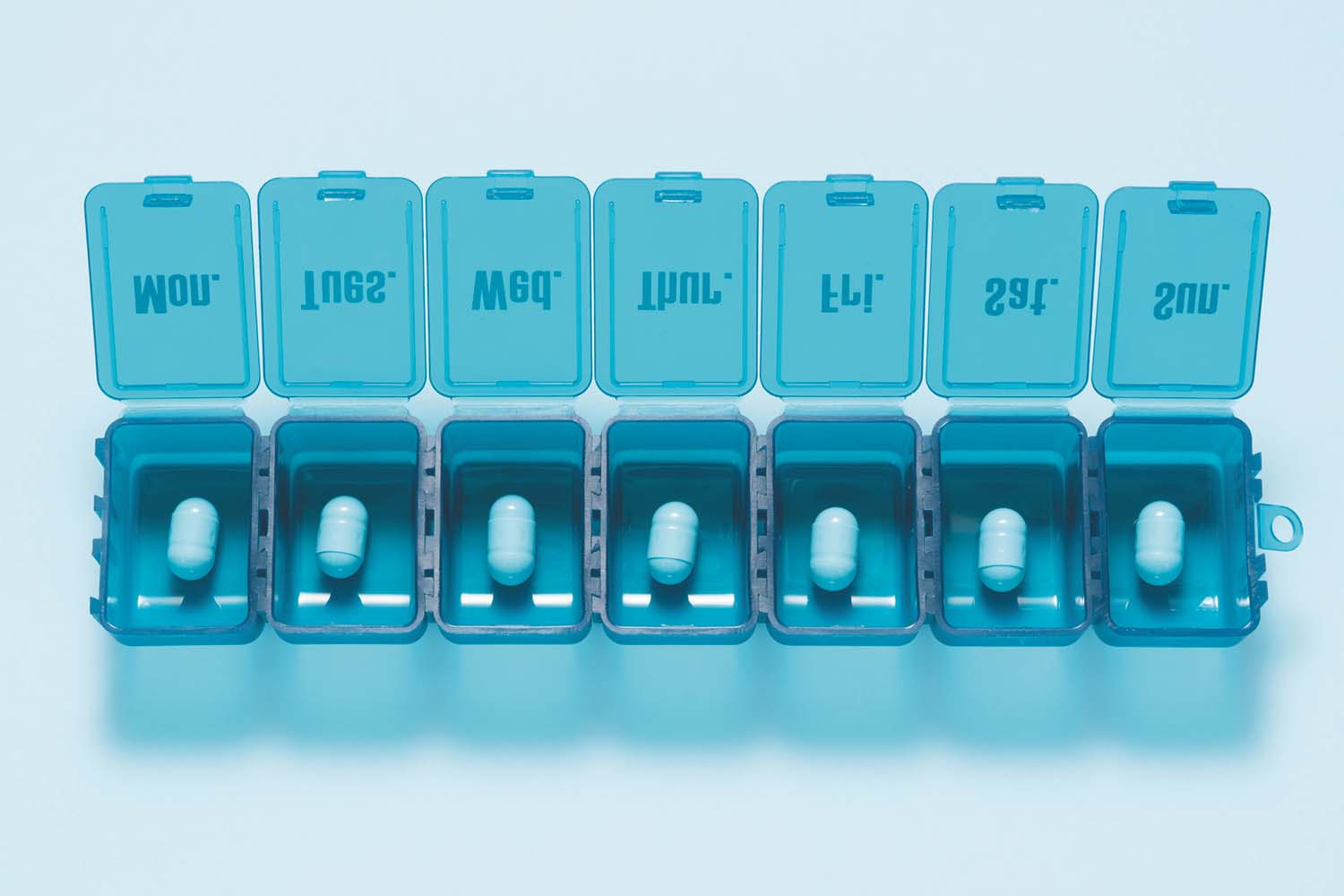
How can I reduce my number of daily medications?
Many people end up taking a long list of medications when they might be able to safely reduce the number of daily pills. Reviewing medications with their specialists and primary care doctor can help determine which drugs may be reduced or perhaps discontinued.

FDA approves first pill for postpartum depression
The FDA approved the first pill for postpartum depression in August 2023. The fast-acting drug, zuranolone (Zurzuvae), is taken for just two weeks.

Blasting through mental health misperceptions
An estimated 58 million American adults live with a mental illness such as anxiety, depression, or bipolar disorder. More women than men receive treatment such as medication or counseling. But despite its pervasiveness, mental illness remains stigmatized. Scientific advances are helping dismantle damaging public attitudes about mental illness. People with mental health challenges can help combat stigma by embracing treatment, not taking other people's offhand comments personally, and sharing their personal stories.

Loneliness vs. isolation: Which one is worse?
Both loneliness and isolation were associated with poor health outcomes in a 2023 study. However, social isolation was a stronger predictor of physical decline and early death, while loneliness was more predictive of mental health issues such as depression.

Curcumin supplements might ease meal-related discomfort
A small randomized trial in 2023 found that taking two 250-mg capsules of curcumin four times a day was as effective at relieving dyspepsia symptoms as taking one daily 20-mg dose of the heartburn medication omeprazole (Prilosec, Zegerid).

Stopping a medication? Check first, quit safer
Abruptly stopping a medication can be risky and even life-threatening. For example, suddenly discontinuing certain drugs can cause a rebound effect, meaning that symptoms or problems that were controlled—such as high blood pressure or heartburn—can return with a vengeance. Stopping some medications, such as prescription painkillers or antidepressants, might result in withdrawal symptoms. Before quitting any drug cold turkey, it's important to consult with a doctor to make sure that it's safe.

How to stay in your own home longer
Two kinds of services help people remain in their homes longer. Home health care is covered by Medicare and brings professional nurses and therapists into the home to provide treatment. It's intended for people who are recovering from illness, injury, or surgery. Private duty care is not covered by Medicare. It provides the day-to-day help most people need for the activities of daily living, such as housekeeping and meal preparation. Care is available for a few hours or 24 hours per day.
CoQ10: Should you take this popular supplement if you're on a statin?
Microplastics: A hidden health threat?
Oat vs. dairy milk: Nutrition, benefits, and downsides
What is tempeh? Benefits, nutrition, and how to use it
Healing after food poisoning
Children of centenarians may stay healthier and live longer too, study finds
Light exposure at night may raise risk for heart disease
A lumbar belt may help ease low back pain
Whole grains may improve several heart risk factors at once
Signs of pneumonia: Sometimes vague and unexpected
Free Healthbeat Signup
Get the latest in health news delivered to your inbox!
Sign Up
