

CoQ10: Should you take this popular supplement if you're on a statin?

Microplastics: A hidden health threat?

Oat vs. dairy milk: Nutrition, benefits, and downsides

What is tempeh? Benefits, nutrition, and how to use it

Healing after food poisoning

Children of centenarians may stay healthier and live longer too, study finds

Light exposure at night may raise risk for heart disease

A lumbar belt may help ease low back pain

Whole grains may improve several heart risk factors at once

Signs of pneumonia: Sometimes vague and unexpected
Caregiving Archive
Articles

Cannabis use disorder may raise surgical risks
A 2023 study suggests that regular cannabis users have higher risks before, during, and after surgery, including the risk of heart attack, stroke, acute kidney injury, breathing difficulties, and blood clots.

Staying regular
"Regular" bowel movements can mean something different for each person. Some people have a bowel movement once or twice daily; for others, it's once or twice weekly. People should see a doctor if they notice a dramatic change in bowel habits or other symptoms, including fatigue, pain, unintended weight loss, bloody stool, or a change in stool consistency. People can promote digestion by maintaining a toileting schedule, heeding their body's signals, and using a toilet stool.

Debunking common wellness myths
Many common wellness myths contain a grain of truth but are misleading over all. One wellness myth holds that being thin equates to being healthy, but people who are think can still be unhealthy. Another myth posits that detoxes and cleanses can help people be healthier, but these products don't help and can even be dangerous for some people. Another myth is that eating before bedtime leads to weight gain, but food choice matters more than timing.
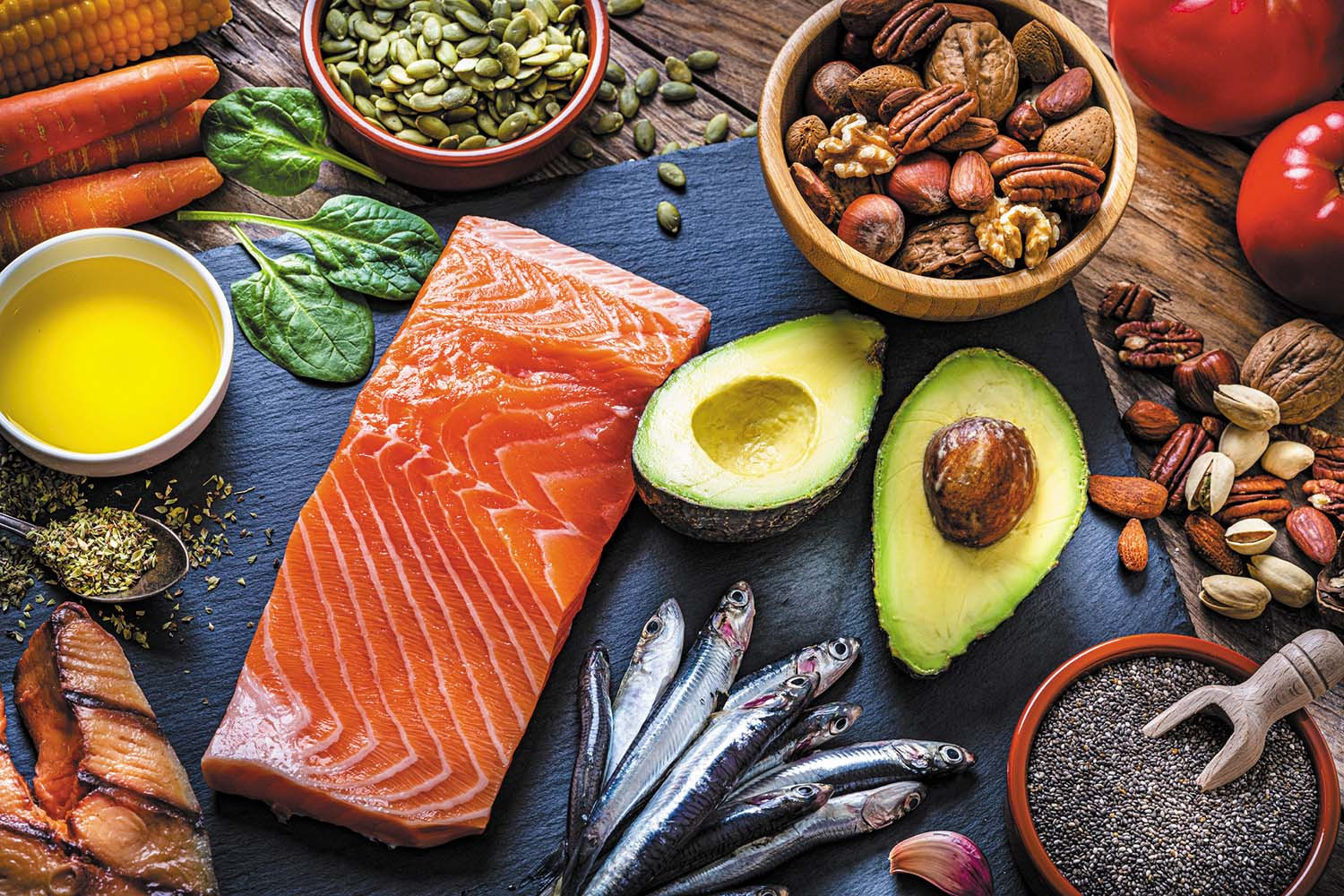
UK study confirms Mediterranean lifestyle benefits
A 2023 study of about 110,000 people in the United Kingdom suggested that those who most adhered to a Mediterranean lifestyle had a 28% lower risk of dying from cancer and a 29% lower risk of dying prematurely from any cause, compared with those who least adhered to the lifestyle.

10 ways to find purpose in life
Having a sense of purpose is linked to important health benefits, such as longevity and sharp thinking skills. There are many ways to cultivate a sense of purpose. Ideas include thinking about one's strengths or skills and how to apply them; becoming a mentor; volunteering time to a worthy cause; reading Viktor Frankl's book Man's Search for Meaning; writing about lived experiences and sharing the information with family or friends; and thinking of longtime dreams and ways to achieve elements of them.

"Unsticking" sticky thoughts
It's hard to get rid of sticky thoughts, which play repeatedly in the mind and cause distress. Strategies that can help include going for a walk, staying busy by scheduling activities, limiting worry time to one specific period of each day, and talking to family and friends. If sticky thoughts don't go away after a few weeks, it might be time to talk to a primary care doctor or a therapist. Treatment might involve cognitive behavioral therapy, which helps someone recognize sticky thoughts and redirect them in ways that are less negative and more manageable.

Injuries and blood thinners: How to stop bleeding
Taking a blood thinner helps protect people at risk for dangerous blood clots that can lead to life-threatening conditions, such as a stroke or heart attack. But the medications increase the risk for uncontrolled bleeding. People taking the drugs should learn what to do in case bleeding occurs. For minor injuries, it's important to apply extra pressure until bleeding stops. For serious injuries, one should call 911 and apply as much pressure as possible to the wound until help arrives. People who take blood thinners and experience even minor injury from a fall or accident should automatically go to urgent care or the emergency department to get checked out, even if there is no apparent bleeding or trauma is observed.

Large study finds the sweet spot for daily step goals
In a 2023 review of 17 studies that included about 227,000 people, those who took at least 3,900 steps per day had reduced risks of dying young from any cause. Even taking about 2,300 steps per day compared to fewer daily steps was tied to reduced risks of dying prematurely from cardiovascular disease.

Insider tips for a smooth recovery from cataract surgery
Early planning can help people recover well from cataract surgery. That planning can include reviewing post-procedure instructions in advance; investigating whether a simplified eye drops regimen is available and will be covered by insurance; learning the right way to use eye drops, and teaching a loved one to help with their application if necessary; and preparing to take a break from certain physical activities, such as bending over, lifting objects that are 10 pounds or heavier, cleaning, vacuuming, or doing laundry.

How much sleep do you actually need?
Just how many hours of sleep are enough for you? The answer varies and it might be better to track sleep quality than focus on the number of hours you log each night.
CoQ10: Should you take this popular supplement if you're on a statin?
Microplastics: A hidden health threat?
Oat vs. dairy milk: Nutrition, benefits, and downsides
What is tempeh? Benefits, nutrition, and how to use it
Healing after food poisoning
Children of centenarians may stay healthier and live longer too, study finds
Light exposure at night may raise risk for heart disease
A lumbar belt may help ease low back pain
Whole grains may improve several heart risk factors at once
Signs of pneumonia: Sometimes vague and unexpected
Free Healthbeat Signup
Get the latest in health news delivered to your inbox!
Sign Up
