

CoQ10: Should you take this popular supplement if you're on a statin?

Microplastics: A hidden health threat?

Oat vs. dairy milk: Nutrition, benefits, and downsides

What is tempeh? Benefits, nutrition, and how to use it

Healing after food poisoning

Children of centenarians may stay healthier and live longer too, study finds

Light exposure at night may raise risk for heart disease

A lumbar belt may help ease low back pain

Whole grains may improve several heart risk factors at once

Signs of pneumonia: Sometimes vague and unexpected
Caregiving Archive
Articles
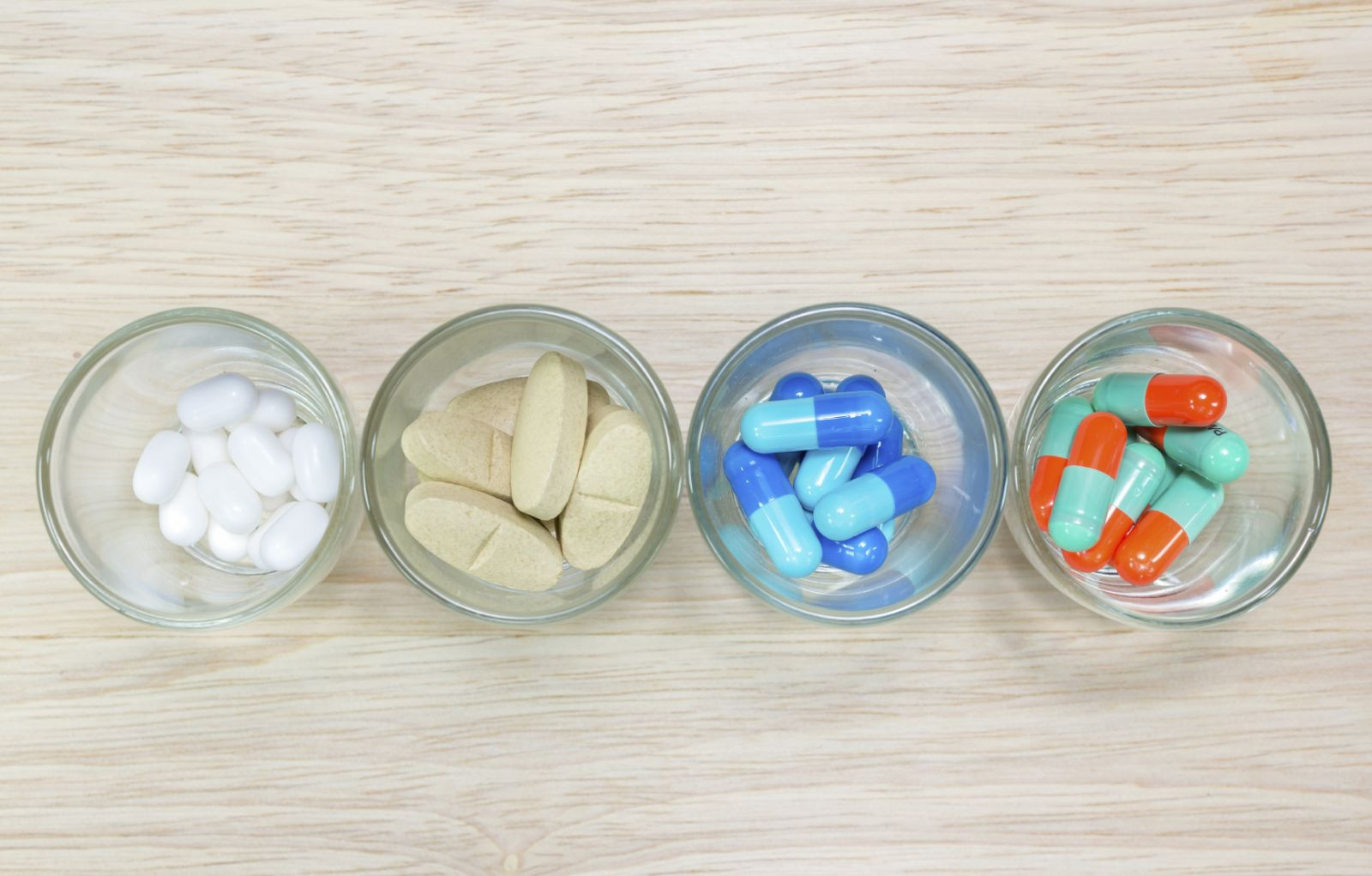
Prescription drug and supplement use on the rise among seniors
New findings suggest that one in six older adults is at risk for drug interactions. Should you be concerned?
Image: iStock
Earlier this year, a study that examined the pill-taking habits of older Americans suggested that seniors are taking more prescription drugs and dietary supplements than in years past. Not surprisingly, most of these pills are used to treat or prevent cardiovascular disease, the nation's leading killer.
The report found that more than a third of adults ages 62 to 85 take five or more prescription medications, over-the-counter (OTC) drugs, or dietary supplements (see box for a description of the study). The study found that about one in six older adults is taking a combination that could cause a major interaction.
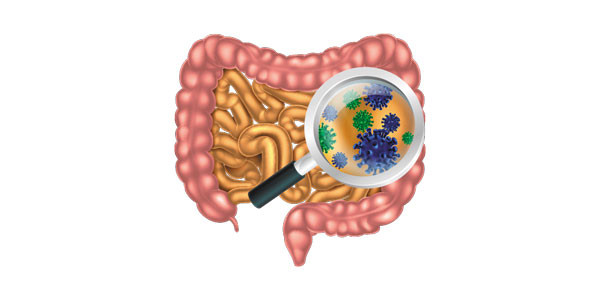
Gut reaction: How bacteria in the belly may affect the heart
A better understanding of the gut microbiome may herald novel ways to prevent artery-clogging plaque.
Image: Christos Georghiou/Thinkstock
The trillions of bacteria dwelling deep inside your digestive tract play a key role in your health. Collectively known as the gut microbiota, these microbes not only assist with digestion, but also make certain vitamins, break down toxins, and train your immune system. Over the past decade, scientists have uncovered compelling connections between different types of gut microbes and the development of obesity and diabetes—two factors closely tied to a higher risk of heart disease. Recently, several studies have explored how our gut microbes interact with the food we eat to spur artery-damaging inflammation and narrowing. While these findings are preliminary, experts hope they'll one day lead to personalized diet recommendations or other therapies to lower the risk of heart disease.
Artery damage
Avoiding blockages
The investigators then tested a molecule that blocks the production of TMA, which they gave to mice prone to atherosclerosis, thanks to their genes and a high-fat diet. The molecule, called DMB, occurs naturally in olive oil and red wine. The mice that got DMB in their water had healthier, clearer arteries than those that didn't.
Earlier this year, Chinese researchers described a different but related approach to preventing blood vessel injury in atherosclerosis-prone mice. By giving the mice a specific strain of bacteria called Akkermansia muciniphila, they discovered that they could prevent inflammation—the chronic, persistent immune response that contributes to the buildup of fatty plaque in arteries. The effect was largely due to a protein that was able to "tighten up" the communication between cells in the inner lining of the gut, Dr. Loscalzo explains. As a result, fewer toxins from the diet could pass from the gut into the bloodstream, which in turn dampened inflammation.
Gut check?

Does regular exercise reduce cancer risk?
It appears people with the highest levels of physical activity have lower rates of cancer of the esophagus, lung, kidney, colon, head and neck, rectum, bladder and breast, compared with people with the lowest levels of physical activity.

Exercise-free activities that work your muscles and heart
Dancing, playing sports, and even cleaning your house can give you a nontraditional workout that helps maintain good health.
Image: Jon Feingersh/Thinkstock
Exercising is supposed to be a regular part of your daily health maintenance. That can be a problem if you don't have the motivation to get your heart pumping; you raise your risk for weight gain, chronic disease, and an earlier death.
Fortunately, you can get plenty of effective exercise by engaging in recreational or household activities that work your heart and muscles. "There's a real reward in doing an activity you enjoy, such as swimming or playing with your grandchildren. You get a workout, but it doesn't seem like you're exercising, and you may be more willing to keep doing that activity every day because it's fun," says Dawn Rogers, a physical therapist at Harvard-affiliated Brigham and Women's Hospital.
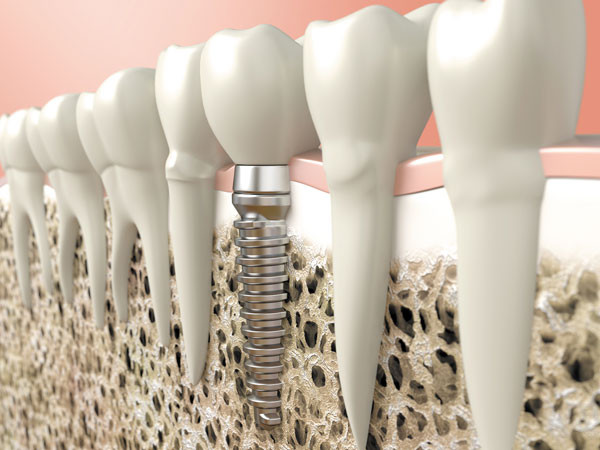
Dental implant reality check
Are these advances in dental health right for you?
Image: GuidoVrola/Thinkstock
Tooth decay, gum disease, and injury to the mouth can all lead to the loss of one or more teeth. The standard solution usually involves removable dentures or a fixed bridge. A newer option, dental implants, is also gaining popularity. "Implants can significantly improve your quality of life," says Dr. German Gallucci, department chair of restorative dentistry at the Harvard School of Dental Medicine.
About implants
Uses and benefits
In older adults, implants are typically used to replace one or two missing teeth (but not a mouthful). "Before implants, the only option we had was a bridge. With the implant, you can independently restore the tooth. That's a significant improvement in our therapy, to the point that we have reduced the number of bridges we do nowadays," says Dr. Gallucci.
Implants are also used to anchor a bridge or dentures. "Without implants, dentures move while you eat or speak, which makes it difficult to do either. But when you clip the denture onto an implant, it stays in place and functions normally," says Dr. Gallucci. He says supporting dentures or bridges may require two or more implants.
Requirements
Considerations
There are few downsides to getting implants. One is cost. "The range varies from state to state. It could be between $2,000 and $6,000 for one tooth and crown. But that's comparable to a bridge," says Dr. Gallucci.
Some insurance plans cover implants, especially for a missing tooth. Medicare does not pay for implants.
Another drawback: the time involved in healing. But the benefits, says Dr. Gallucci, can be worth it.
If you're interested in pursuing implants, he recommends getting several opinions. You can start by making an appointment with either a dentist who's surgically trained to place implants and has years of experience, or a prosthodontist—an expert in tooth restoration and replacement.
What to eat when your teeth and gums hurtIt's common after oral surgery to have some pain for a day or two, or even longer. This may mean that you have to be especially mindful of what you eat and drink. Sensitivity to hot and cold items is typical. But even the act of chewing can be uncomfortable. What's best to eat? "Avoid crunchy and sticky foods and stick to a soft diet," says Dr. German Gallucci, a restorative dentistry expert at the Harvard School of Dental Medicine. "Go with soups, pastas, yogurt, and even baby food." He advises avoiding the side of your mouth that's been operated on, and eating only small bites of food that keep your teeth from making forceful contact. Other tips: Avoid anything very hot on the first day after surgery, as heat can increase the risk of bleeding; drink a lot of fluid, at least five or six cups per day; and baby yourself. "Give your mouth a chance to heal," he says. |

5 ways to fight loneliness and isolation
Act now to avoid potential dangers associated with solitary living, such as coronary artery disease, stroke, and thinking skills decline.
Image: iStock
One lovely picture of older age is of smiling seniors enjoying their golden years with partners, friends, and family. In reality, many seniors are isolated and lonely. The National Council on Aging reports that one in six adults ages 65 or older is isolated, either socially or geographically. And in a 2010 AARP survey, 25% of respondents ages 70 or older said they felt lonely.
Health risks
Simple steps to connect
Fighting back against loneliness and isolation takes planning and effort. Consider the following strategies.
1. Reach out to family and friends, even if it's just with a phone call or a video call (using a computer program or smartphone app to actually see the person you're talking with). "Virtual connections are still connections," says Dr. Miller. "Even a quick text or seeing someone's face on a screen can improve your well-being." Make contact with someone a regular part of your day, like taking medicine or exercising.
2. Have no transportation? Take advantage of driver services through a retirement center or a government-sponsored affordable ride program, so you can get out of your house. The U.S. Administration on Aging can refer you to transportation opportunities in your area. For more information, call 800-677-1116 or go to www.eldercare.gov.
3. Join a club that interests you (a book club, a jazz club, a collectors club), or a spiritual community (a church, mosque, or synagogue). Or become a volunteer at an organization you support.
"When you're alone, you focus too much on yourself and dwell on regrets or worries. When you're with other people, you turn your focus outward. When you're thinking less about yourself, you're worrying less about yourself," says Dr. Miller.
4. Get a pet, if you are physically and mentally able to care for it; pets make wonderful companions, and they provide many emotional and physical benefits.
5. Sign up for visits by volunteers from senior centers or for Meals on Wheels, which also has a visitors program. "Simply having conversations with people will stimulate your brain and make you feel better," says Dr. Miller.
Are you at risk for loneliness or isolation?Isolation is a risk factor for loneliness. "There's no hard-and-fast rule that everyone needs to be involved with others all the time, but we tend to feel better when we're with others, and we may feel worse if we're often alone," says Dr. Michael Craig Miller, a Harvard Medical School assistant professor of psychiatry. What causes isolation? Risk factors include living alone, without family support; having a disability; struggling with language barriers; and facing geographical challenges—such as living in a rural area or not having transportation—that keep you from accessing benefits. |

Caregivers: Remember your own health
It appears that caregivers of people who spend a week or more on an ICU ventilator have a high risk for developing clinical depression that can last up to a year after the ICU survivor is discharged.

More evidence that a healthy lifestyle might help prevent cancer
It appears that four healthy habits—getting 150 minutes of moderate-intensity exercise per week, maintaining a body mass index between 18.5 and 27.5, no smoking, and drinking only in moderation—may prevent many cancer cases and death in white people.

Will the food industry ease up on salt?
On June 1, 2016, the FDA proposed voluntary guidelines for short- and long-term goals to cut sodium in commercially processed and prepared food.
Depression in men: Getting the right treatment
Dr. Terry Schraeder talks with Dr. Michael Miller about the symptoms of depression in men and getting over the gender hurdles to find the right treatment.
CoQ10: Should you take this popular supplement if you're on a statin?
Microplastics: A hidden health threat?
Oat vs. dairy milk: Nutrition, benefits, and downsides
What is tempeh? Benefits, nutrition, and how to use it
Healing after food poisoning
Children of centenarians may stay healthier and live longer too, study finds
Light exposure at night may raise risk for heart disease
A lumbar belt may help ease low back pain
Whole grains may improve several heart risk factors at once
Signs of pneumonia: Sometimes vague and unexpected
Free Healthbeat Signup
Get the latest in health news delivered to your inbox!
Sign Up
