

CoQ10: Should you take this popular supplement if you're on a statin?

Microplastics: A hidden health threat?

Oat vs. dairy milk: Nutrition, benefits, and downsides

What is tempeh? Benefits, nutrition, and how to use it

Healing after food poisoning

Children of centenarians may stay healthier and live longer too, study finds

Light exposure at night may raise risk for heart disease

A lumbar belt may help ease low back pain

Whole grains may improve several heart risk factors at once

Signs of pneumonia: Sometimes vague and unexpected
Caregiving Archive
Articles
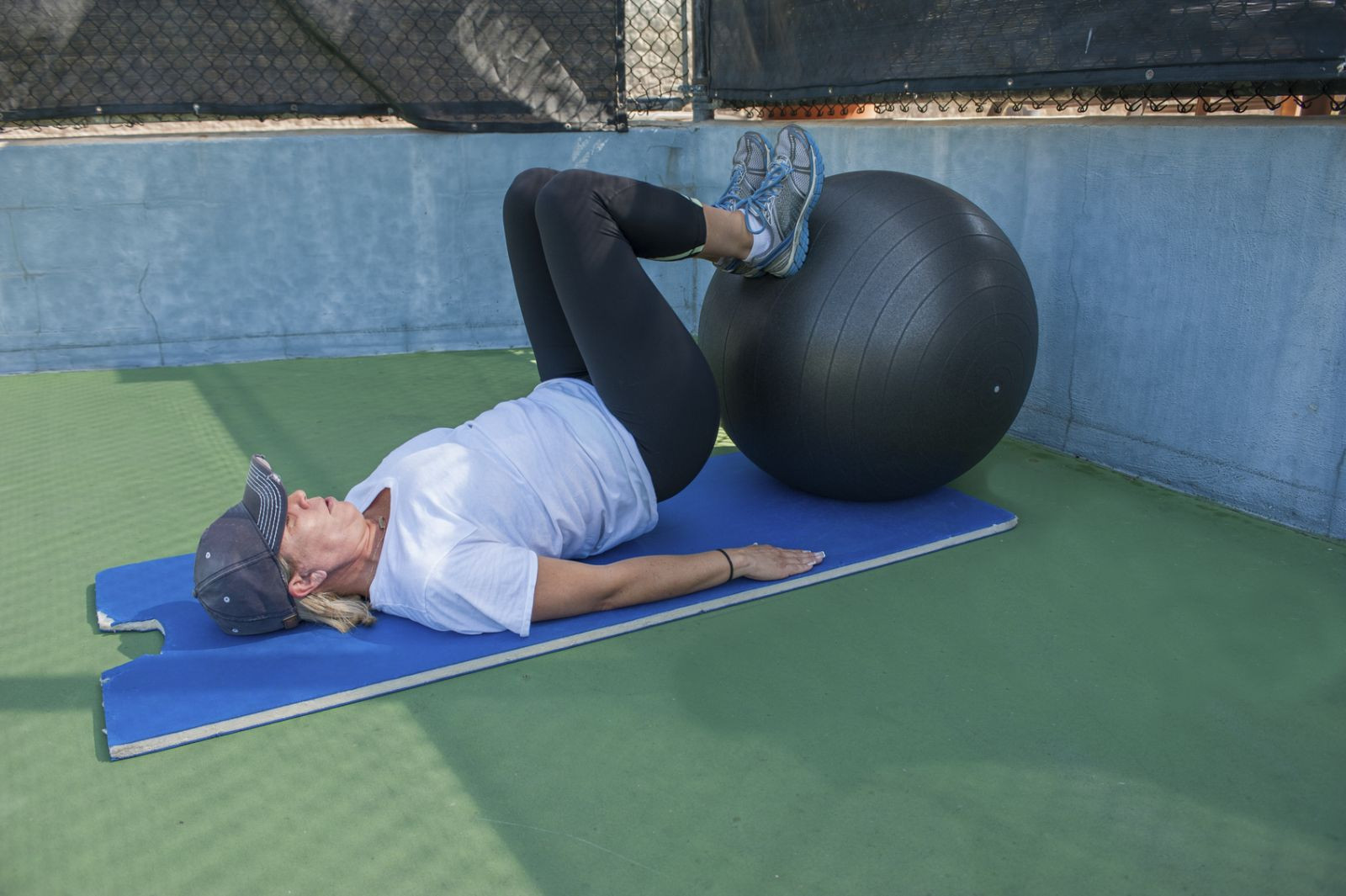
Core exercise workout: 12 tips for exercising safely and effectively
Before you start any kind of exercise regimen, think safety first. Talk to your doctor before you begin any new routine. Monitor yourself when working out to make sure you don't run into trouble and be sure you know the best way to exercise. Here are 12 tips for exercising safely and effectively.
1. Warm up. Before a full core workout, march in place for several minutes while swinging your arms, or dance to a few songs. It's safe to skip this if you've already warmed up through other activities.



Feel the beat
Your resting heart rate can be an instant measure of your present and future health.
Image: Bigstock
One of the easiest ways to gauge your health can be done in 30 seconds with two fingers. Measuring your resting heart rate (RHR), the number of heartbeats per minute while at rest, provides a real-time snapshot of your heart muscle function.
It is easy to do. Place your index and middle finger on your wrist just below the thumb, or on your neck to one side of your throat, so you can feel your pulse. Use a watch to count the number of beats for 30 seconds and double it to get your beats per minute. Repeat a few times to get an accurate reading. A normal RHR for most adults ranges from 60 to 100 beats per minute.

Unveiling post-traumatic stress disorder
Often considered an ailment of only military veterans, this condition also can affect many older men.
Image: Devoryou/Thinkstock
Mention post-traumatic stress disorder (PTSD), and most people immediately think of military veterans. While this group is highly susceptible to PTSD, research has shown that older adults, specifically men, are also vulnerable.
PTSD is a potentially debilitating condition that can occur in people who have experienced a natural disaster, war, terrorism, serious accident, violent personal assault, or similar traumatic event.

Cutting calories offers benefits for normal and overweight adults
Reducing daily calorie intake by 25% may improve health-related quality of life even in people who are not overweight, according to a new study. After two years following a specific diet plan, subjects lost an average of 16.7 pounds, compared with less than a pound in control subjects. They also had better mood, less tension, greater general health, higher sexual drive, and better quality of sleep.

3 trends worth tapping into
Activity trackers, farmers' markets, and mindfulness aren't just passing fancies. They can help you develop beneficial health habits.
Image: julia514/iStock
The word "trendy" has come to refer to a fad or fashion that may have little lasting value, so it can be a turn-off, especially when applied to health practices. But trends can also have lasting health benefits—for example, the trends toward making public places smoke-free or adding calorie counts to fast-food menus. There is increasing evidence that the three trends below fall into the "beneficial" category.
1. Wearing activity trackers
2. Shopping at farmers' markets
In the last 30 years, farmers' markets have moved from the sides of rural roads to the centers of major cities and everywhere in between. Although it may be coincidental, farmers' markets are tailor-made for people who are serious about following the 2015–2020 Dietary Guidelines for Americans, which advise a gradual shift to a plant-based diet centered around vegetables, fruits, and whole grains. In one recent study conducted by researchers at Harvard T.H. Chan School of Public Health, when people began to shop at inner-city farmers' markets, they also consumed less sugary soda and more vegetables than they had previously. Farmers' markets offer several other advantages over supermarkets:
Freshness. Just-picked produce is at its peak in flavor and nutrition.
Variety. You may find some fruits or vegetables you haven't seen before or new versions of old standards.
Information. Because the people who sell the produce are likely to have had a hand in growing it, they should be able to tell you the kind of farming methods used and offer suggestions on preparing the food.
Samples. If you're wondering if the cherries are sweet or tart or if the apples are crisp, ask for a sample. Most vendors are happy to comply.
Sustainability. Eating locally or regionally grown produce means less energy is expended bringing it to your table. And supporting regional agriculture is good for your community.
You can find a farmers' market near you by going to the U.S. Department of Agriculture website using the link at www.health.harvard.edu/farmers.
3. Practicing mindfulness
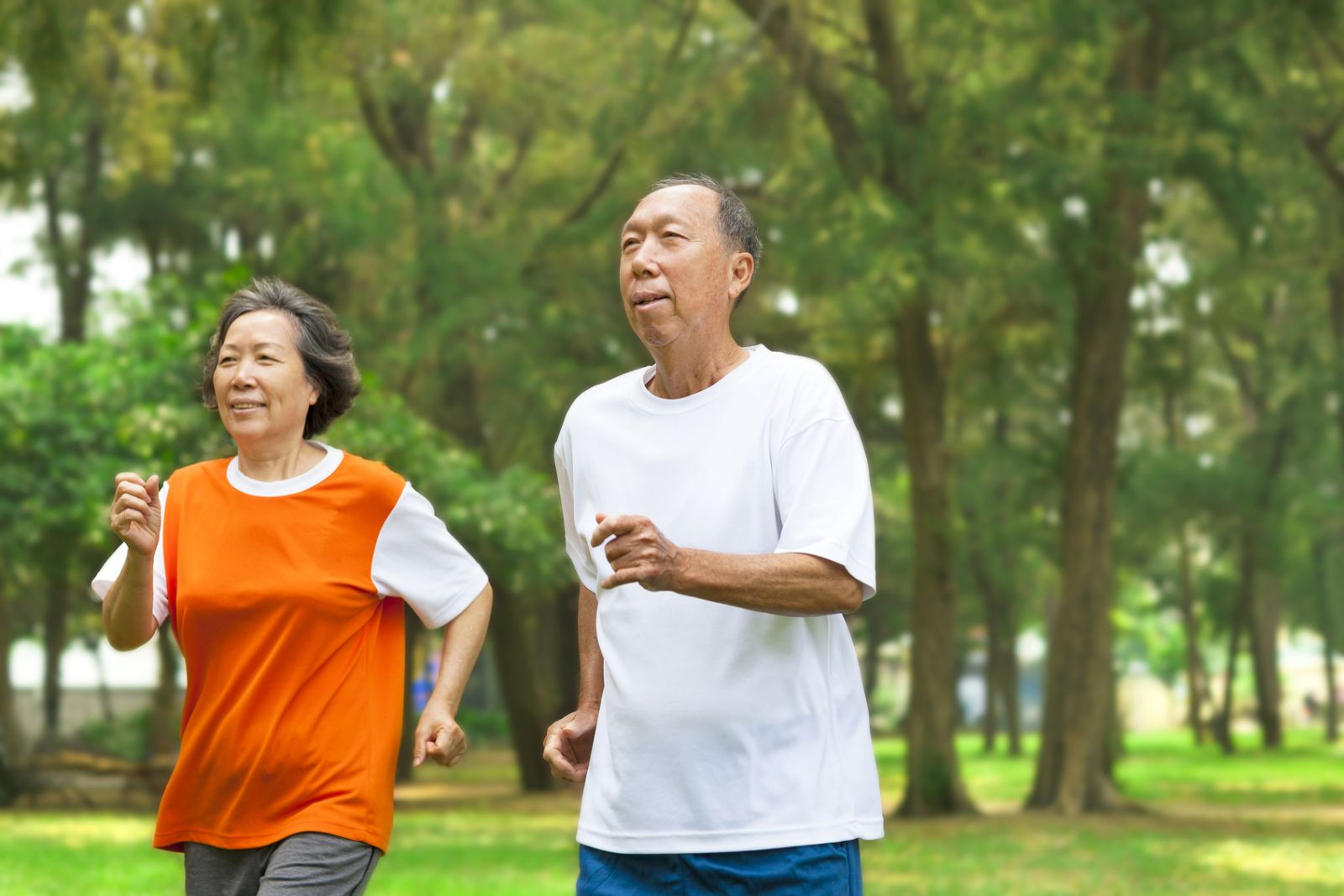
Need a quick brain boost? Take a walk
A brief bout of aerobic exercise can help if you need to stay focused on a task and solve problems more efficiently.
Image: Tomwang112/iStock
It's not news that exercise is good for your body. You can probably recite the litany of physical benefits of regular activity: Exercise helps control your weight, lowers your blood pressure, and dampens inflammation. It reduces the risk of having a heart attack or stroke or of developing diabetes or certain cancers.
But exercise is just as important for your mind. Not only is regular exercise associated with a reduced risk of depression and anxiety, there is mounting evidence that it slows cognitive decline and may reduce the risk of dementia. "There is good evidence that exercise behaves like medicine to improve brain health and thinking skills. There is a growing body of science behind this," says Dr. Scott McGinnis, assistant clinical professor of psychiatry at Harvard Medical School.
Attending religious services linked to longer lives, study shows
Attending religious services frequently has been linked to fewer deaths over 16 years among women in the Nurses’ Health Study.
CoQ10: Should you take this popular supplement if you're on a statin?
Microplastics: A hidden health threat?
Oat vs. dairy milk: Nutrition, benefits, and downsides
What is tempeh? Benefits, nutrition, and how to use it
Healing after food poisoning
Children of centenarians may stay healthier and live longer too, study finds
Light exposure at night may raise risk for heart disease
A lumbar belt may help ease low back pain
Whole grains may improve several heart risk factors at once
Signs of pneumonia: Sometimes vague and unexpected
Free Healthbeat Signup
Get the latest in health news delivered to your inbox!
Sign Up
