

CoQ10: Should you take this popular supplement if you're on a statin?

Microplastics: A hidden health threat?

Oat vs. dairy milk: Nutrition, benefits, and downsides

What is tempeh? Benefits, nutrition, and how to use it

Healing after food poisoning

Children of centenarians may stay healthier and live longer too, study finds

Light exposure at night may raise risk for heart disease

A lumbar belt may help ease low back pain

Whole grains may improve several heart risk factors at once

Signs of pneumonia: Sometimes vague and unexpected
Caregiving Archive
Articles
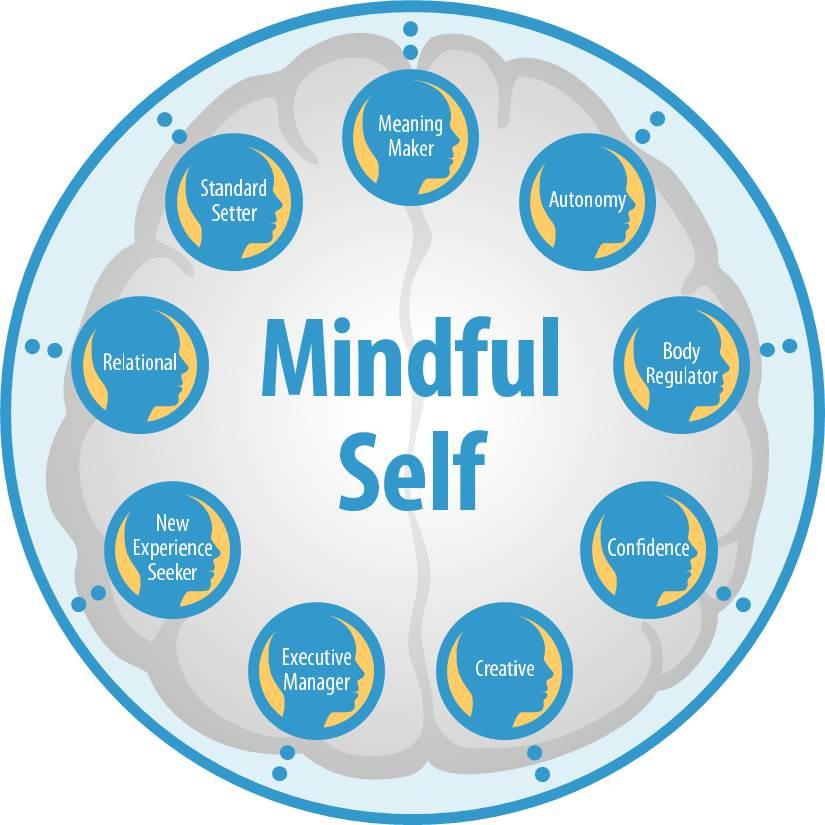
Getting kids back to school: Inside out
Harvard Medical School authors have written a new book entitled Organize your Emotions, Optimize Your Life, that explains a way to frame how your mind processes a range of emotions. An adult version of the children’s movie Inside Out, the book proposes that the human psyche has nine inner “voices.” By addressing the distinct needs, agendas, and emotions people can better address life challenges, big and small. In this post we apply this model to getting your kids back to school in a positive and productive way.



Can I take an expired medication?
Most drugs remain potent after their expiration dates. You may want to move it to the refrigerator, though, because drugs stored in cool temperatures usually remain potent longer.

Would having stronger core muscles speed my recovery from abdominal surgery?
Strong core muscles and overall fitness are linked to shorter surgical recovery times.

Why you should heed a ministroke
Transient ischemic attacks, or TIAs, can signal an impending stroke, but prompt care can minimize damage.
Image: FlairImages/Thinkstock
Have you ever experienced a brief episode when your body seemed to be a little off—your vision was blurry, your speech slightly slurred, or one side of your body felt weaker than the other? If so, you may have experienced a transient ischemic attack (TIA), says Dr. Natalia Rost, a neurologist at Harvard-affiliated Massachusetts General Hospital. She notes that many women may assume they have suffered a migraine and get back to life as usual once the episode has passed. In fact, a TIA is a serious medical issue and warrants getting immediate treatment.
Immediate treatment is key
Having a TIA is usually a sign that you may have already endured a few "silent strokes"—interruptions of blood flow to the brain—and may have accumulated some brain damage as a result, Dr. Rost says. However, getting prompt attention for a TIA can significantly reduce your chance of having a major stroke and incurring greater damage.
A team of French researchers reported in April 2016 that people who received care from a stroke specialist within 24 hours of a TIA had only a 4% risk of having a major stroke within the next three months, compared with the average risk of 12% to 20%. Recent studies also show that people who got prompt treatment from stroke specialists in the hospital or clinic were much more likely to get the appropriate follow-up treatments, including aspirin, blood thinners, and blood pressure medication. "Just as getting prompt treatment for chest pain minimizes damage from a heart attack, getting help for a TIA diminishes the effects on the brain," Dr. Rost says.
Yet studies have shown that women aren't as likely as men to get brain-sparing treatments. A 2013 study indicated that gender discrimination wasn't the problem; women were less likely than men to seek help within four hours of the start of symptoms, when clot-busting therapies are most effective. Women who sought help within four hours received the same treatment as men did.
Why white matter really matters
What you should do
Dr. Rost suggests doing everything you can to minimize white-matter damage—controlling your blood pressure, cholesterol, and blood glucose are important. So is a lifestyle that includes regular exercise, a healthy diet, and not smoking. "While it's important to get help for a TIA, it's better to avoid one altogether," Dr. Rost says.

Beverage temperature tied to cancer risk
Beverages consumed at temperatures above 150° F may contribute to esophageal cancer.

Are your medications causing nutrient deficiency?
Long-term doses of certain medications may rob you of calcium, folic acid, and crucial B vitamins.
Short-term medication use will not lead to nutrient deficiency. But long-term use may interfere with your body's ability to absorb nutrients or produce them.
Image: Gruzdaitis Andrius/Thinkstock
Medications are well known for causing side effects such as nausea or drowsiness. These are the kinds of side effects you notice and can do something about. But sometimes a lesser known side effect happens without giving you any warning: nutrient deficiency.
CoQ10: Should you take this popular supplement if you're on a statin?
Microplastics: A hidden health threat?
Oat vs. dairy milk: Nutrition, benefits, and downsides
What is tempeh? Benefits, nutrition, and how to use it
Healing after food poisoning
Children of centenarians may stay healthier and live longer too, study finds
Light exposure at night may raise risk for heart disease
A lumbar belt may help ease low back pain
Whole grains may improve several heart risk factors at once
Signs of pneumonia: Sometimes vague and unexpected
Free Healthbeat Signup
Get the latest in health news delivered to your inbox!
Sign Up
