

Fatty liver disease: Should you be tested?

Even a little exercise linked with lower stroke risk in people with afib

Testosterone therapy without evidence of deficiency may boost heart risk

Weight-loss drug may lower risk of heart attacks and infections

Migraine: How it's diagnosed and what that means

Tricep workouts you can do at home

Mindfulness practices to reduce stress and improve focus

Antihistamines may not offer meaningful relief from eczema symptoms

Overweight and taking blood pressure medications: Study finds it's a trend that's working

FDA approves first mRNA-based flu vaccine
Caregiving Archive
Articles
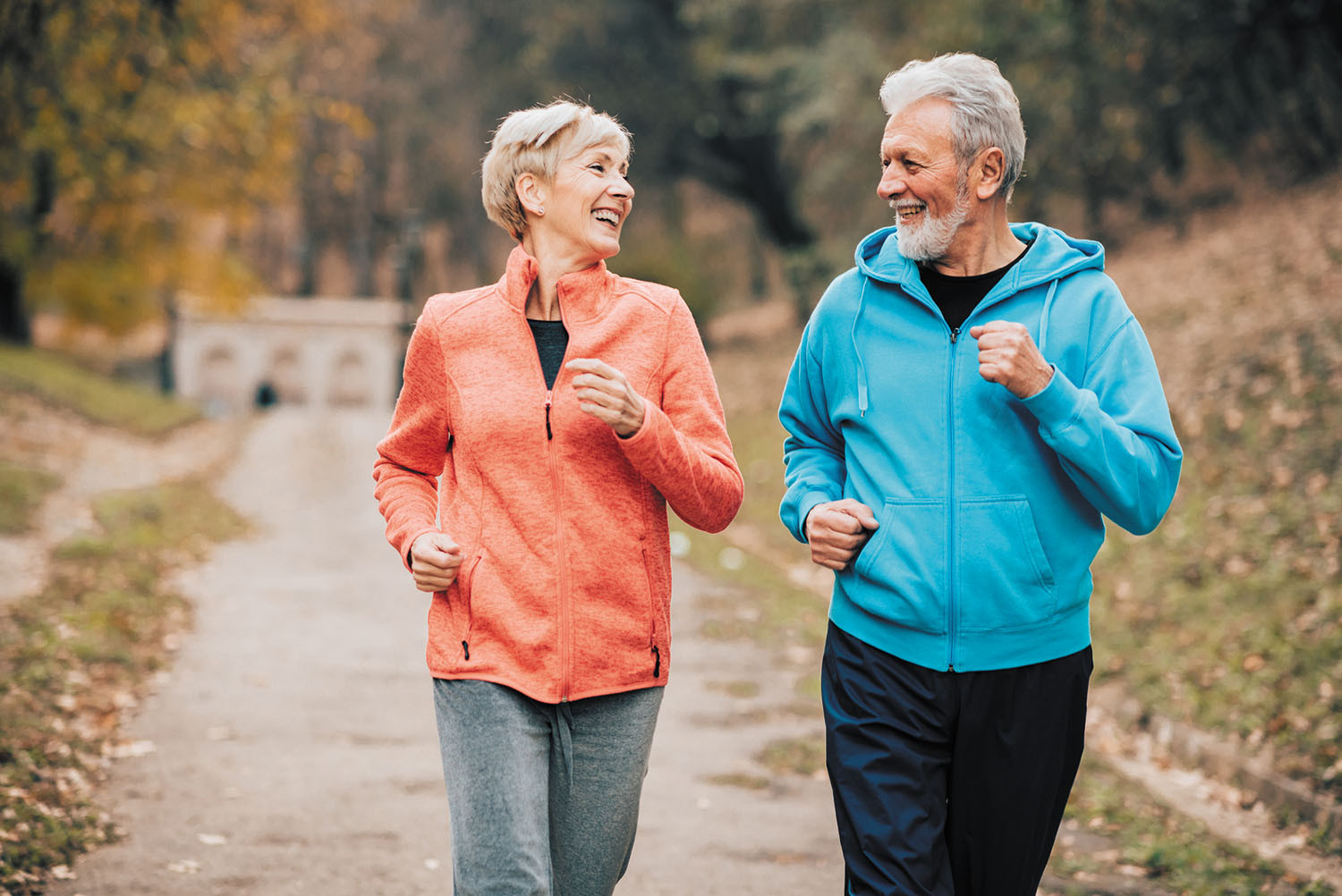
The no-drug approach to mild depression
Looking for a boost or alternative to antidepressant medicines? Here are four therapies that may help relieve your symptoms.
Image: © RgStudio/Getty Images
Many people suffer bouts of mild or moderate depression as they age. Health issues and the loss of a spouse, family member, or friend are common triggers that can lead to persistent sadness and loss of enjoyment.
While antidepressants like selective serotonin reuptake inhibitors (SSRIs) can be helpful to relieve and control symptoms, they are not always the right choice.

Exercise matters to health and well-being, regardless of your size
Regardless of your size or fitness level, exercise has multiple benefits. Almost anything that gets you moving counts, and some activity is always better than none. These suggestions can help you make exercise work for you.
CBD and other medications: Proceed with caution
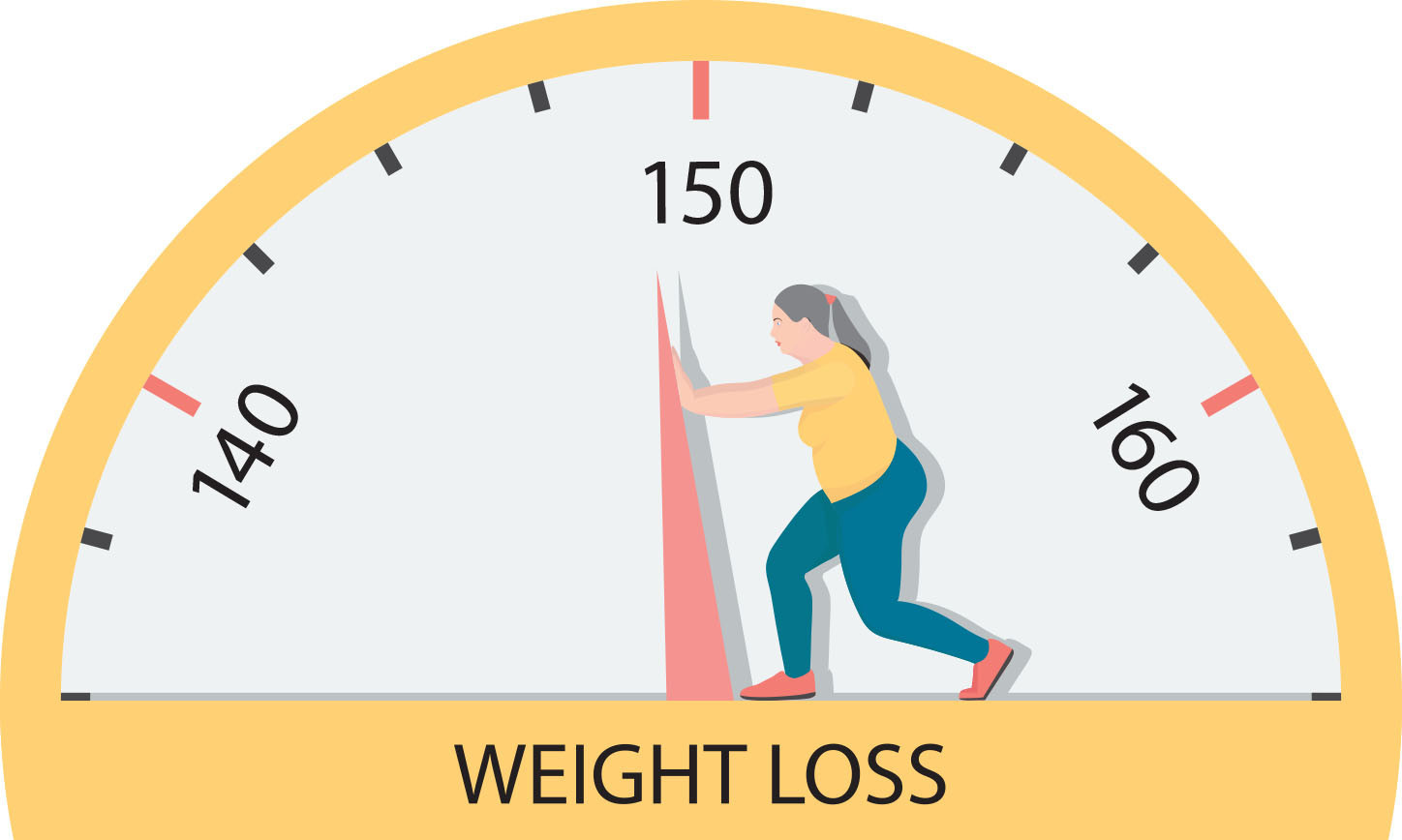
Tips to keep lost weight off in the New Year
Work with your body, not against it, for long-term weight maintenance.
For many people, their New Year's resolutions include some sort of weight-loss goal. However, while extra pounds often come off, evidence shows they rarely stay off. Among overweight or obese people who are able to lose 10% of their body weight, just one in six is able to maintain the weight loss for at least a year.
Experts say it's not surprising that weight loss rarely sticks, considering what they now know about how the body works. "Most people believe that obesity is caused by overeating, while we now recognize that the main driver of obesity is one or more disruptions in the body's normal regulation of the amount of fat we maintain," says Dr. Lee Kaplan, an associate professor of medicine at Harvard Medical School and director of the Obesity, Metabolism, and Nutrition Institute at Massachusetts General Hospital.

We’re supposed to make resolutions now?
After everything that has happened in 2020, making New Year’s resolutions might be too much to expect of many. Setting goals for the coming year seems like too much to ask right now. Is it okay to just give yourself a break this year? Or is there another way of looking at the whole situation?

It’s not too late to get in better shape
No matter what your age, you can improve your fitness.
If it's been a long time since you've exercised and you're feeling less than fit, you might think that it's too late to make a change. But you're wrong. You can improve your fitness at any age.
"The stories in this area are actually very dramatic. Even people 100 years old or older can build muscle strength," says Dr. Edward Phillips, assistant professor of physical medicine and rehabilitation at Harvard Medical School.

Another benefit of drinking green tea or coffee
News briefs
Drinking coffee or green tea is associated with many health benefits, such as better cardiovascular health, lower inflammation levels, and a reduced risk for developing chronic disease. Now, a study published online Oct. 20, 2020, by BMJ Open Diabetes Research & Care suggests tea and coffee consumption are also linked to a reduced risk for early death among people with diabetes. Researchers evaluated the health and self-reported lifestyle habits — including diet — of about 5,000 people in Japan over five years. Compared with people who didn't drink any coffee or green tea, people who drank the most had much lower risks of premature death from any cause: about 40% lower for people who drank either two cups of coffee or four cups of tea per day; and 63% lower for people who drank both four cups of tea plus two cups of coffee per day. The study is only observational and doesn't prove that the drinks keep people alive longer. But we know coffee and tea contain powerful plant compounds with anti-inflammatory and antioxidant properties that are good for health.
Image: © taa22/Getty Images

Understanding intimate partner violence
The pandemic may be making life harder for those in abusive relationships, but help is available.
A woman experiencing abuse at the hands of an intimate partner often feels isolated and alone. But the truth is, she has a lot of company. As many as one in three women in the United States has experienced intimate partner violence (IPV), which is violence involving a current or former spouse, partner, significant other, boyfriend or girlfriend, says Eve M. Valera, an associate professor in psychiatry at Harvard Medical School. This number includes women from all different ages and backgrounds.
Those who experience IPV may be left with lingering health effects, including mental health disorders such as anxiety, depression, or post-traumatic stress disorder. IPV is also linked to a number of physical symptoms and conditions, according to the federal Office on Women's Health, such as digestive problems, migraine headaches, arthritis, asthma, chronic pain, sexual problems, and heart problems. Another area of growing concern for many researchers is the potential for cognitive changes caused by traumatic brain injuries linked to abuse, says Valera.

Vitamins A, E, and D tied to fewer colds, lung disorders
News briefs
Getting enough vitamins through diet (or a multivitamin, if necessary) is one of the best ways to bolster your immune system. And you may wonder if vitamins can also ward off colds and other respiratory conditions. An observational study published Oct. 27, 2020, by BMJ Nutrition Prevention & Health offers encouraging news. Researchers evaluated the self-reported diet information of more than 6,000 British adults over eight years. People who reported the highest intakes of vitamins A and E from both diet and supplements, and high intake of vitamin D just from supplements, had the fewest complaints of respiratory illness, such as colds, asthma, and chronic obstructive pulmonary disease. The study doesn't prove that these vitamins prevented respiratory problems, but other studies have linked them to lower risks for respiratory disease. Vitamins are most effective when they come from diet. Good sources of vitamin A include liver; whole milk; cheese; carrots; and dark, leafy greens. Good sources of vitamin E include vegetable oils, nuts, and seeds. It's difficult to get enough vitamin D from food (such as fish or fortified milk), so taking 1,000 IU of vitamin D3 provides some insurance.
Image: © o-che/Getty Images

Beware do-it-yourself cosmetic injections
Research we're watching
Cosmetic procedures, including injection of neurotoxins (like Botox) and dermal fillers, have become very popular for their power to smooth wrinkles and minimize signs of aging. But the American Academy of Dermatology is warning that these procedures are not for DIYers. An article published in the April 2020 issue of the Journal of the American Academy of Dermatology outlined an uptick in the number of illegal injectable fillers and neurotoxins being sold to the public online. When used by trained providers, these products are generally safe, but serious complications can arise, including stroke, infections, blindness, and tissue death. In rare cases, improper use leads to fatal complications. Some people have been purchasing these products online and following Internet tutorials to inject the products themselves. If you are planning on having any of these treatments, be certain to have the procedure performed in a medical office by a licensed medical professional.
Image: © Anastasiia Kurman/Getty Images
Fatty liver disease: Should you be tested?
Even a little exercise linked with lower stroke risk in people with afib
Testosterone therapy without evidence of deficiency may boost heart risk
Weight-loss drug may lower risk of heart attacks and infections
Migraine: How it's diagnosed and what that means
Tricep workouts you can do at home
Mindfulness practices to reduce stress and improve focus
Antihistamines may not offer meaningful relief from eczema symptoms
Overweight and taking blood pressure medications: Study finds it's a trend that's working
FDA approves first mRNA-based flu vaccine
Free Healthbeat Signup
Get the latest in health news delivered to your inbox!
Sign Up
