

CoQ10: Should you take this popular supplement if you're on a statin?

Microplastics: A hidden health threat?

Oat vs. dairy milk: Nutrition, benefits, and downsides

What is tempeh? Benefits, nutrition, and how to use it

Healing after food poisoning

Children of centenarians may stay healthier and live longer too, study finds

Light exposure at night may raise risk for heart disease

A lumbar belt may help ease low back pain

Whole grains may improve several heart risk factors at once

Signs of pneumonia: Sometimes vague and unexpected
Caregiving Archive
Articles

Low fat, low carb, or Mediterranean: which diet is right for you?
Losing weight sometimes takes experimentation. If you give a diet your best shot and it doesn't work long term, maybe it wasn't the right one for you, your metabolism, or your situation. Genes, family, your environment — even your friends — influence how, why, what, and how much you eat, so don't get too discouraged or beat yourself up because a diet that "worked for everybody" didn't pay off for you. Try another, keeping in mind that almost any diet will help you shed pounds — at least for a short time.
Here's a look at three common diet approaches.

Want to live longer and better? Do strength training
Regular physical activity promotes general good health, reduces the risk of developing many diseases, and helps you live a longer and healthier life. For many of us, "exercise" means walking, jogging, treadmill work, or other activities that get the heart pumping.
But often overlooked is the value of strength-building exercises. Once you reach your 50s and beyond, strength (or resistance) training is critical to preserving the ability to perform the most ordinary activities of daily living — and to maintaining an active and independent lifestyle.

Why stress causes people to overeat
Stress eating can ruin your weight loss goals – the key is to find ways to relieve stress without overeating
There is much truth behind the phrase "stress eating." Stress, the hormones it unleashes, and the effects of high-fat, sugary "comfort foods" push people toward overeating. Researchers have linked weight gain to stress, and according to an American Psychological Association survey, about one-fourth of Americans rate their stress level as 8 or more on a 10-point scale.
In the short term, stress can shut down appetite. The nervous system sends messages to the adrenal glands atop the kidneys to pump out the hormone epinephrine (also known as adrenaline). Epinephrine helps trigger the body's fight-or-flight response, a revved-up physiological state that temporarily puts eating on hold.

Do gut bacteria inhibit weight loss?
Ask the doctor
Q. I just can't lose weight. A friend says that my problem might be due to the types of bacteria that live in my gut. That sounds crazy to me, but is it true, and can I do something about it?
A. Ten years ago, I also would have thought your friend was crazy. Today, I'd say she could well be right. Here's why. We've known for a century that bacteria live in our intestines, but we've assumed that they did little to affect our health. We thought that they were just mooching off of us — taking advantage of the warmth and nutrients in our gut.

Do generic drugs compromise on quality?
A new study raises questions about whether they're truly equivalent to the brand-name versions.
You've no doubt seen them in the grocery store — typically drab-looking packages on the bottom shelf containing lower-priced generic versions of popular brand-name products. Some shoppers look at them with skepticism: Are they really as good? Or does cheaper just mean lower quality?
Many people have the same questions about generic prescription medications, says Dr. Niteesh K. Choudhry, professor of medicine at Harvard Medical School and executive director of the Center for Healthcare Delivery Sciences at Brigham and Women's Hospital. Are generic drugs really the same quality, or is it better to spend more for the name-brand version?

When to expect results from a new medication
Each one can have a different timetable. Find out in advance what you should expect, and then track your symptoms.
Image: © Digital Vision/Getty Images
When your doctor prescribes a new medication, you may expect to start feeling the effects right away. But some drugs can take time to make a difference. "It depends on how quickly your body absorbs the medication, how your body distributes it, and how your body breaks down or metabolizes it," says Laura Carr, a pharmacist at Harvard-affiliated Massachusetts General Hospital.
Giving it time
Some medications start working on the first day. These include drugs that treat high blood pressure, like the beta blocker metoprolol (Toprol, Lopressor), which slows down the heart and reduces the force of its contractions; or H2 blockers such as famotidine (Pepcid) and ranitidine (Zantac), which treat heartburn by blocking the stomach's acid-secreting cells from making acid.

How meditation helps with depression
A regular practice can help your brain better manage stress and anxiety that can trigger depression.
Image: © skynesher/Getty Images
Depression continues to be a major health issue for older adults. It affects about 20% of adults ages 65 and older, and regular depression can lead to higher risks for heart disease and death from illnesses. It also affects people's daily lives by making them more socially isolated and affecting cognitive function, especially memory.
In fact, a study of 1,111 people (average age 71), published online May 9, 2018, by Neurology, found that those who had greater symptoms of depression also had worse episodic memory — the ability to recall specific experiences and events.
Do you need a daily supplement?
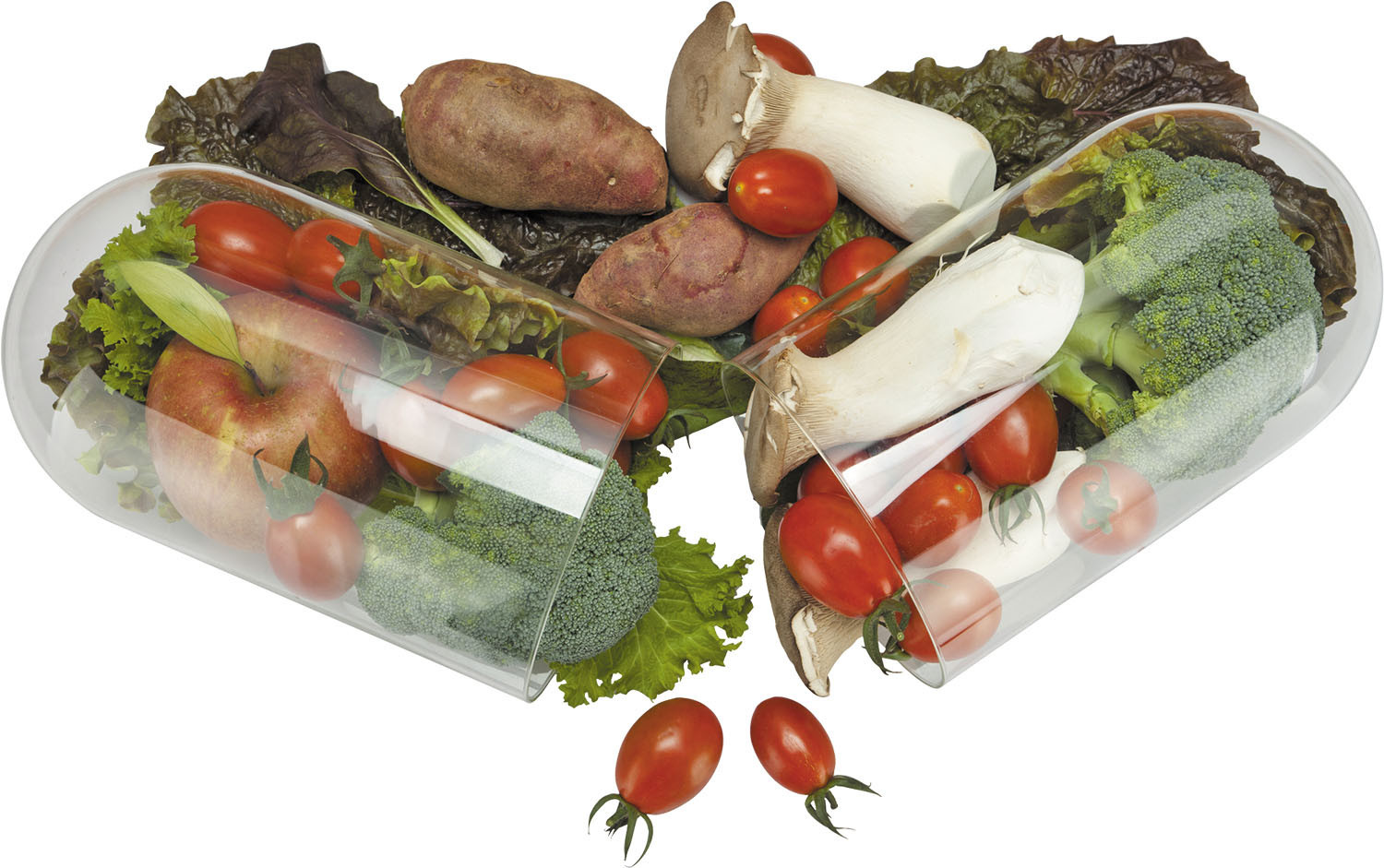
Most older adults take some kind of over-the-counter dietary supplement. But are these products right for everyone?
Image: © phototake/Getty Images
Over-the-counter dietary supplements are big business — more than 90,000 products generate about $30 billion every year in the United States. Older adults make up a big part of these sales, too. A survey of almost 3,500 adults ages 60 and older published Oct. 1, 2017, in The Journal of Nutrition found that 70% use a daily supplement (either a multivitamin or individual vitamin or mineral), 54% take one or two supplements, and 29% take four or more.
But are these pills good medicine, or a waste of money?

Take that, muscle cramps!
Here are the best ways to stop painful cramps — and prevent them from returning.
Image: © ChesiireCat/Getty Images
A muscle cramp always feels like a surprise. The involuntary contraction strikes without warning, whether it's a charley horse in the middle of night or a back spasm as you reach for an everyday object. But don't let that cramp throw you for a loop. "When it suddenly strikes, don't exercise or tighten the muscle. Just gently stretch it to your tolerance. That helps to relax the muscle and relieve the uncontrolled contraction," says Madhuri Kale, a physical therapist at Harvard-affiliated Brigham and Women's Hospital.
What causes cramps?
Exercising without properly warming up the muscles can lead to cramps. Cramps also occur when a muscle is not able to relax properly (such as from a deficiency of magnesium or potassium in your diet) or when it becomes irritated by a buildup of lactic acid (which can happen if you don't rest your muscle after it has exercised a lot). Dehydration can worsen both of these problems. Kale says older adults often don't drink enough water at night because they want to avoid having to go the bathroom, and they end up dehydrated.
The power of forgiveness
The REACH method teaches how to overcome lingering bad feelings toward someone who did you wrong.
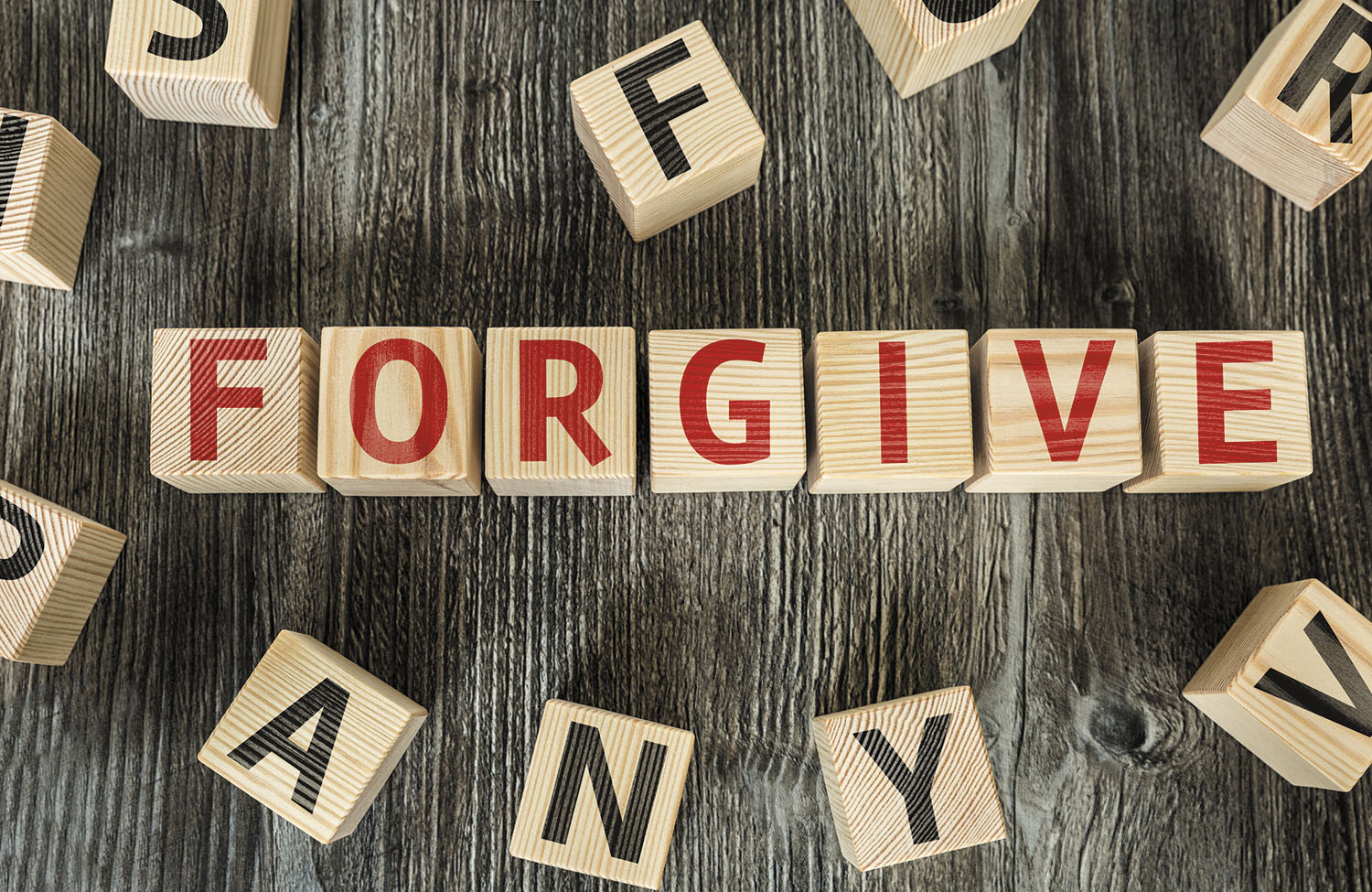
Almost everyone has experienced being wronged by someone. It could be a former co-worker, friend, or family member. But hanging on to those negative feelings can do great harm to your health.
"Forgiving a person who has wronged you is never easy, but dwelling on those events and reliving them over and over can fill your mind with negative thoughts and suppressed anger," says Dr. Tyler VanderWeele, co-director of the Initiative on Health, Religion, and Spirituality at the Harvard T.H. Chan School of Public Health. "Yet, when you learn to forgive, you are no longer trapped by the past actions of others and can finally feel free."
CoQ10: Should you take this popular supplement if you're on a statin?
Microplastics: A hidden health threat?
Oat vs. dairy milk: Nutrition, benefits, and downsides
What is tempeh? Benefits, nutrition, and how to use it
Healing after food poisoning
Children of centenarians may stay healthier and live longer too, study finds
Light exposure at night may raise risk for heart disease
A lumbar belt may help ease low back pain
Whole grains may improve several heart risk factors at once
Signs of pneumonia: Sometimes vague and unexpected
Free Healthbeat Signup
Get the latest in health news delivered to your inbox!
Sign Up
