

Fatty liver disease: Should you be tested?

Even a little exercise linked with lower stroke risk in people with afib

Testosterone therapy without evidence of deficiency may boost heart risk

Weight-loss drug may lower risk of heart attacks and infections

Migraine: How it's diagnosed and what that means

Tricep workouts you can do at home

Mindfulness practices to reduce stress and improve focus

Antihistamines may not offer meaningful relief from eczema symptoms

Overweight and taking blood pressure medications: Study finds it's a trend that's working

FDA approves first mRNA-based flu vaccine
Caregiving Archive
Articles
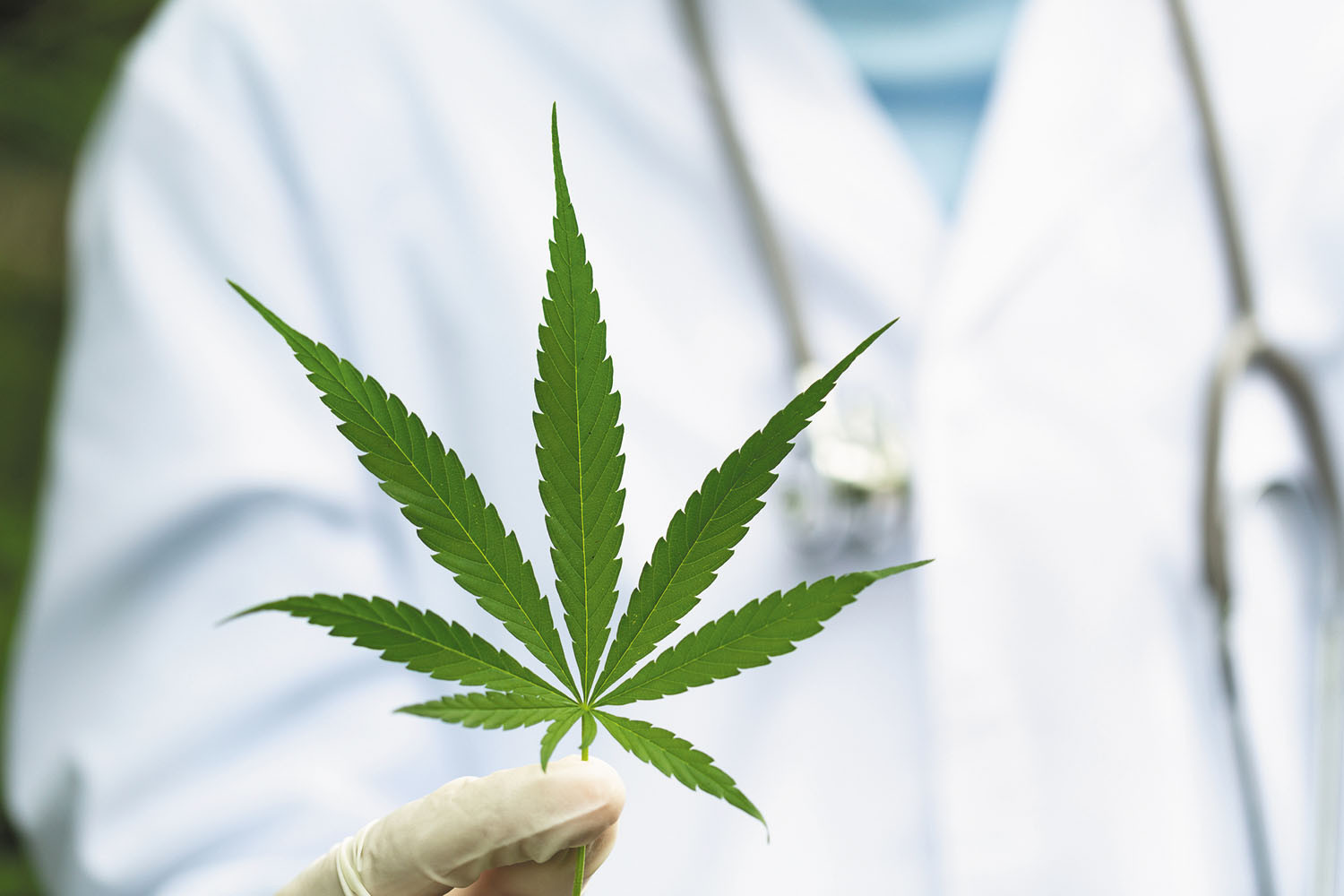
The highs and lows of medical cannabis
It's more accessible than ever before, but is it the right medicine for you?
Medical marijuana — also referred to as medical cannabis — has enjoyed a boom in recent years. More states have legalized it, more products are available, and more people have turned to it for help, especially older adults.
A study in the April 2020 JAMA Internal Medicine found that the number of adults ages 65 and older using medical cannabis increased from 2.4% to 4.2% between 2015 and 2018.

Am I too young for a knee replacement?
Ask the doctors
Q. I'm in my early 50s and am considering a knee replacement for severe arthritis. I've heard that doctors typically encourage people to wait until after age 60 to perform this procedure. Should I wait to have the surgery?
A. Doctors do sometimes recommend that people under age 60 wait to undergo a knee replacement procedure, because these artificial joints typically last only about 15 to 20 years. If someone younger gets the procedure, it's likely that the joint will need to be replaced again down the line. That said, the decision to have a joint replacement really depends more on your individual circumstances, such as how much pain you have, whether the problem is causing you significant disability, and your overall health, not just how old you are. Some people can safely wait until they are 60 to undergo the procedure without a problem. For others, waiting too long to have the knee replaced might not be advised. For example, if the knee joint deteriorates too much, that may make the surgery to replace it more challenging. Over all, most people (80% to 90%) who do opt for a knee replacement are happy with the results of the procedure, but it's best to discuss the pros and cons with your doctor.

Sorting falsehoods from facts
Inaccurate health information is pervasive. Here's how to find out if what you're reading is true.
From conspiracy theories about COVID-19 to unsubstantiated or even dangerous product claims, false health information is everywhere these days. This includes both misinformation (incorrect statements spread by someone who essentially doesn't know better) and disinformation (false information being spread deliberately by a bad actor to promote an agenda).
"Health misinformation and disinformation have always been with us. It's nothing new," says Kasisomayajula Viswanath, Lee Kum Kee professor of health communication at the Harvard T.H. Chan School of Public Health. "We had snake-oil salesmen when advertising began. But what's different this time around is the scale." Both mass media and social media are allowing bad information to reach large swaths of people quickly, making it difficult for many people to differentiate the good from the bad.

Seeking solace, finding resilience in a pandemic
Over the past year, so many of us have experienced various forms of trauma, and reported mental health symptoms have increased dramatically. But at the same time, people have shown resilience and found small moments of solace, relief, and even joy in life’s simple pleasures — and these moments help.

Want to feel more connected? Practice empathy
Empathy helps people get along with others, but the ability to understand another person’s experience comes more easily to some people than to others. However, the capacity for empathy can be honed and improved like any other skill.

The link between abdominal fat and death: What is the shape of health?
Body mass index is commonly used to assess a person’s weight status and health risk, but it does not indicate how much fat a person has or how it is distributed throughout the body — indicators of metabolic health. A recent study analyzed different measures of body shape to determine which are most predictive of premature death.

Why stress causes people to overeat
Stress eating can ruin your weight loss goals – the key is to find ways to relieve stress without overeating
There is much truth behind the phrase "stress eating." Stress, the hormones it unleashes, and the effects of high-fat, sugary "comfort foods" push people toward overeating. Researchers have linked weight gain to stress, and according to an American Psychological Association survey, about one-fourth of Americans rate their stress level as 8 or more on a 10-point scale.
In the short term, stress can shut down appetite. The nervous system sends messages to the adrenal glands atop the kidneys to pump out the hormone epinephrine (also known as adrenaline). Epinephrine helps trigger the body's fight-or-flight response, a revved-up physiological state that temporarily puts eating on hold.

Low fat, low carb, or Mediterranean: which diet is right for you?
Losing weight sometimes takes experimentation. If you give a diet your best shot and it doesn't work long term, maybe it wasn't the right one for you, your metabolism, or your situation. Genes, family, your environment — even your friends — influence how, why, what, and how much you eat, so don't get too discouraged or beat yourself up because a diet that "worked for everybody" didn't pay off for you. Try another, keeping in mind that almost any diet will help you shed pounds — at least for a short time.
Here's a look at three common diet approaches.

Want to live longer and better? Do strength training
Regular physical activity promotes general good health, reduces the risk of developing many diseases, and helps you live a longer and healthier life. For many of us, "exercise" means walking, jogging, treadmill work, or other activities that get the heart pumping.
But often overlooked is the value of strength-building exercises. Once you reach your 50s and beyond, strength (or resistance) training is critical to preserving the ability to perform the most ordinary activities of daily living — and to maintaining an active and independent lifestyle.
Fatty liver disease: Should you be tested?
Even a little exercise linked with lower stroke risk in people with afib
Testosterone therapy without evidence of deficiency may boost heart risk
Weight-loss drug may lower risk of heart attacks and infections
Migraine: How it's diagnosed and what that means
Tricep workouts you can do at home
Mindfulness practices to reduce stress and improve focus
Antihistamines may not offer meaningful relief from eczema symptoms
Overweight and taking blood pressure medications: Study finds it's a trend that's working
FDA approves first mRNA-based flu vaccine
Free Healthbeat Signup
Get the latest in health news delivered to your inbox!
Sign Up
