

CoQ10: Should you take this popular supplement if you're on a statin?

Microplastics: A hidden health threat?

Oat vs. dairy milk: Nutrition, benefits, and downsides

What is tempeh? Benefits, nutrition, and how to use it

Healing after food poisoning

Children of centenarians may stay healthier and live longer too, study finds

Light exposure at night may raise risk for heart disease

A lumbar belt may help ease low back pain

Whole grains may improve several heart risk factors at once

Signs of pneumonia: Sometimes vague and unexpected
Caregiving Archive
Articles
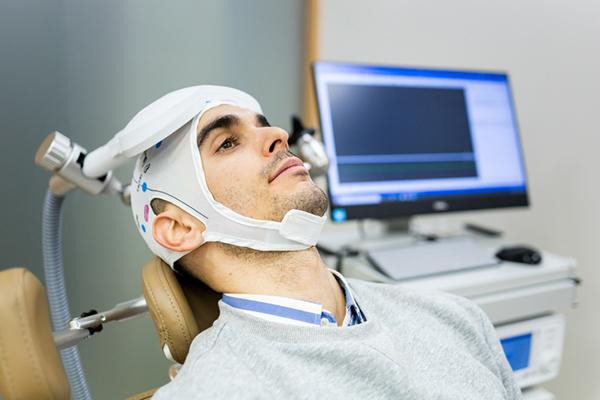
TMS treatment may succeed when depression drugs fail
Transcranial magnetic stimulation (TMS) uses magnetic pulses to repeatedly activate areas of the brain involved in mood regulation. Updated protocols hold the promise of rapid relief from major depression.
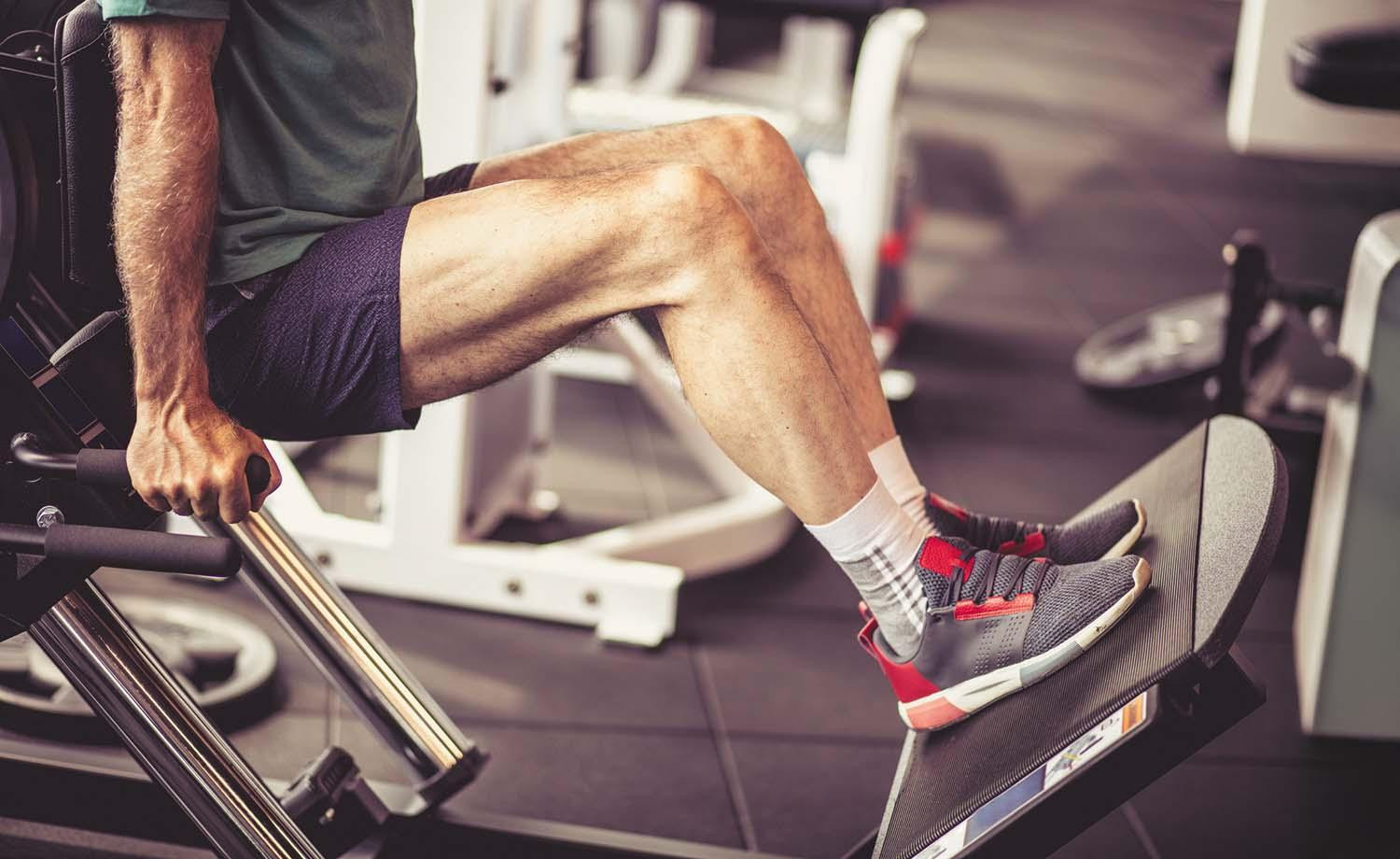
Building stronger legs
Leg strength becomes even more vital as people age, as the legs are essential for routine movements such as going up and down stairs, sitting and rising from chairs, bending over and standing up, and protecting against falls. The main leg muscles are gluteals, quadriceps, hamstrings, and calves. Some exercises that can help strengthen these muscles are bridges, step-ups, and heel raises.

Pickleball-related eye injuries increasing
As the number of pickleball players has grown, so has the number of eye injuries in people ages 50 or older, according to a 2025 study. Such injuries include damage to the eye surface, retinal detachment, or fractures near the eye socket.

Dealing with a sluggish sex drive
Men and women can experience many age-related changes and health conditions that can cause their sex drives to decline. Couples who deal with mismatched or missing sex drives should communicate about how they can work together to get back in sync. Both partners should share what they enjoy before and during sex, what issues may be hindering their sex drive, and what strategies they can try, such as recreating dating, planning time for intimacy, and exploring new ways to create romantic moods.
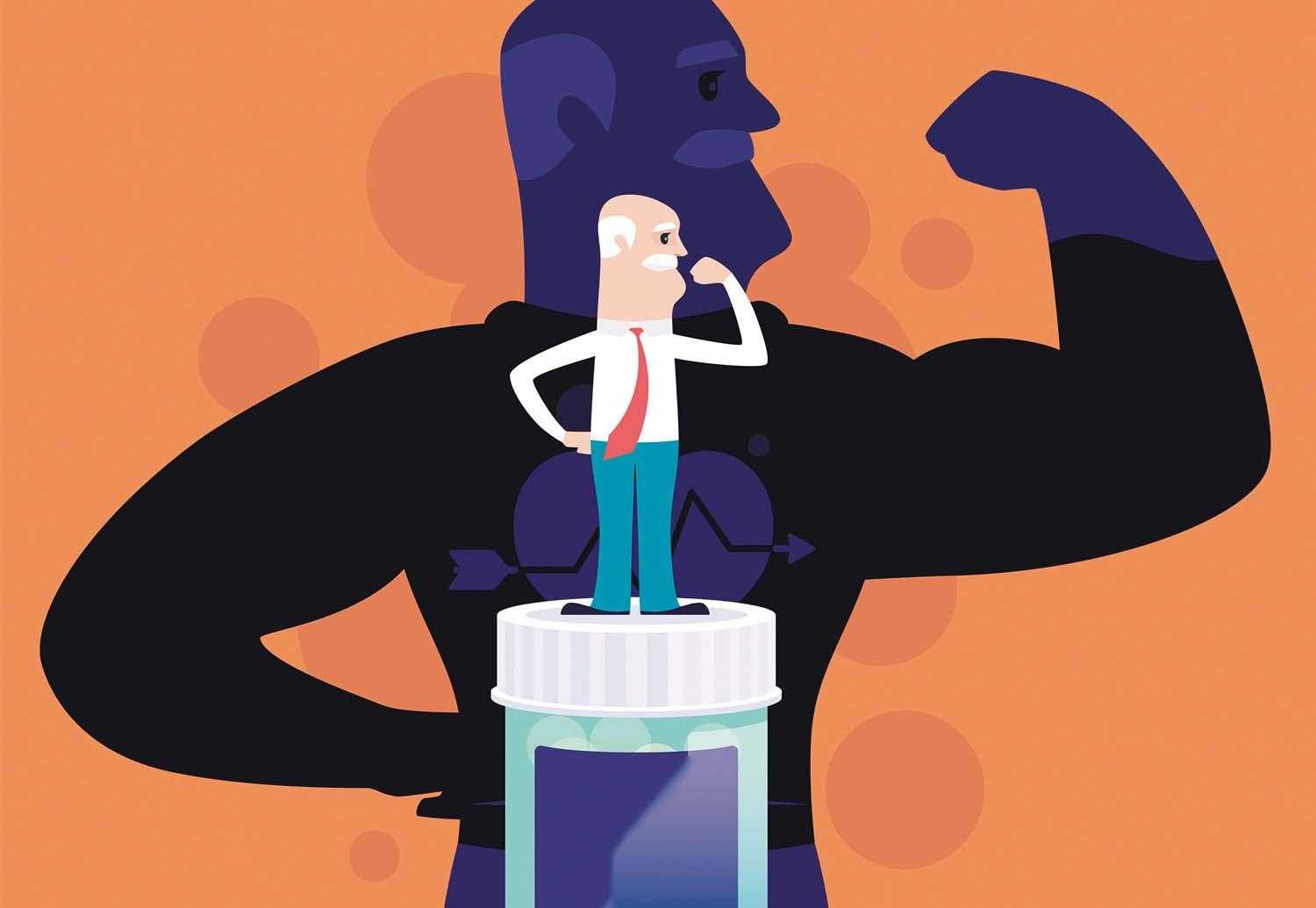
Can supplements boost my athletic performance?
There is little evidence that dietary supplements marketed as performance enhancers do more than following a well-balanced diet. Two nutrients that can help people during extended exercise are carbohydrates and caffeine.
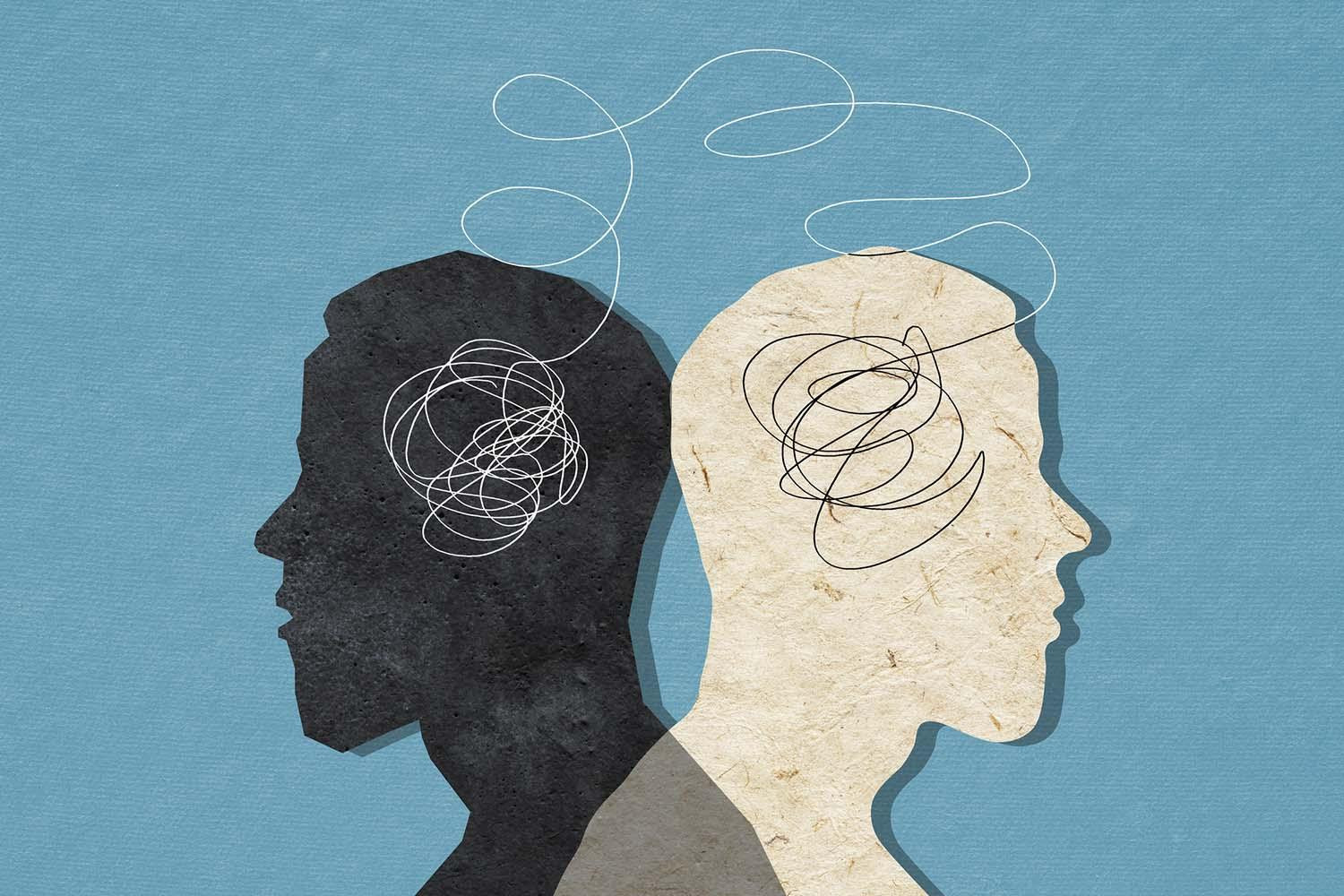
How cognitive behavioral therapy can help men
Men who could benefit from therapy often resist it because it carries a negative stigma for them and they feel uncomfortable about seeking help. For these individuals, cognitive behavioral therapy (CBT) may be an option. Many men find CBT appealing because it is short-term, structured, and focused on current issues. CBT is regularly used to treat depression and anxiety disorders, but it can help with managing other common ailments, such as insomnia, chronic pain, irritable bowel syndrome, chronic fatigue syndrome, fibromyalgia, and migraines.
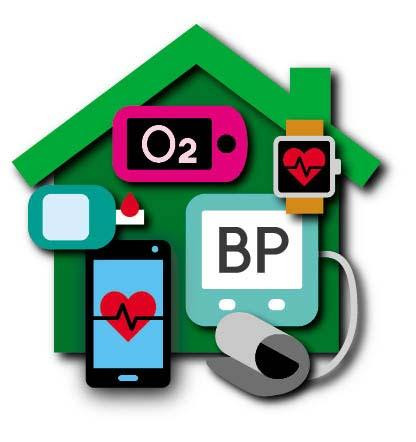
How to use home health monitors
Home health technologies have made it easier for people to monitor their health at home. These handy home devices can track certain health markers, such as blood pressure, blood sugar, heart rhythm, heart rate variability, and oxygen saturation. Checking this information periodically may help some people identify possible problems or manage existing conditions.

Try this: Winter skin care
People can take several measures to protect against winter dry skin, such as using an indoor humidifier, washing carefully, following a moisturizing routine, and covering exposed skin when outdoors.
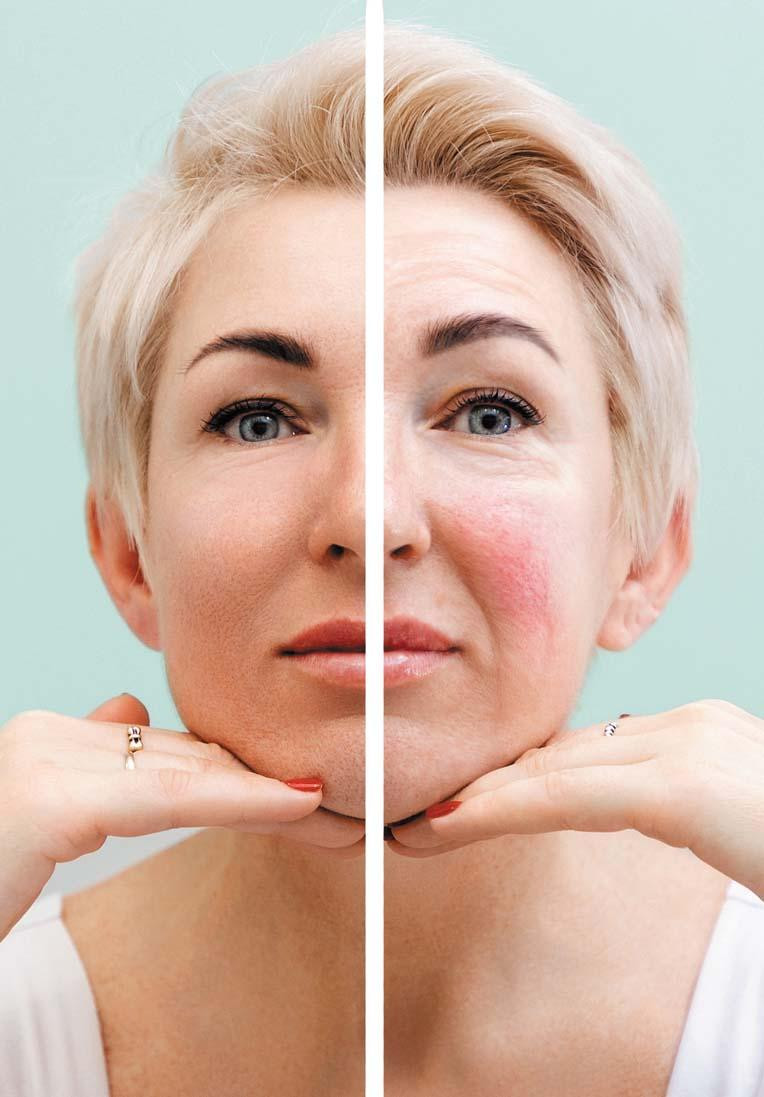
Is this common skin problem overlooked?
A 2025 Finnish study found that rosacea often goes undiagnosed in people ages 70 or older. Researchers say this might be due to busy physicians with limited awareness of rosacea or patients' own embarrassment or unwillingness to seek treatment.

The incontinence tool kit
Several tools can help people with incontinence stay dry and comfortable. Tools can include medications; basic supplies, such as protection pads, leakproof underwear, adaptive clothing, and portable urinals; bedwetting alarms; and bathroom locator apps. Some of the most important tools aren't pills or gadgets, but strategies-such as controlling underlying conditions that can lead to incontinence (such as diabetes), weight loss, lifestyle or behavioral changes, and pelvic floor training.
CoQ10: Should you take this popular supplement if you're on a statin?
Microplastics: A hidden health threat?
Oat vs. dairy milk: Nutrition, benefits, and downsides
What is tempeh? Benefits, nutrition, and how to use it
Healing after food poisoning
Children of centenarians may stay healthier and live longer too, study finds
Light exposure at night may raise risk for heart disease
A lumbar belt may help ease low back pain
Whole grains may improve several heart risk factors at once
Signs of pneumonia: Sometimes vague and unexpected
Free Healthbeat Signup
Get the latest in health news delivered to your inbox!
Sign Up
