

CoQ10: Should you take this popular supplement if you're on a statin?

Microplastics: A hidden health threat?

Oat vs. dairy milk: Nutrition, benefits, and downsides

What is tempeh? Benefits, nutrition, and how to use it

Healing after food poisoning

Children of centenarians may stay healthier and live longer too, study finds

Light exposure at night may raise risk for heart disease

A lumbar belt may help ease low back pain

Whole grains may improve several heart risk factors at once

Signs of pneumonia: Sometimes vague and unexpected
Cancer Archive
Articles
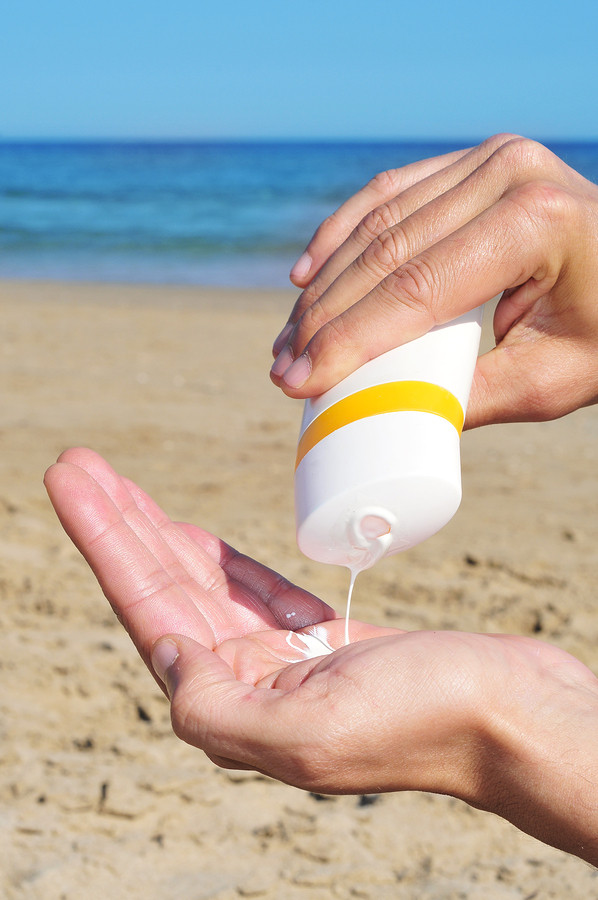
Survey finds men don't use enough sunscreen
The best way to prevent skin cancer is to use sunscreen to reduce lifetime exposure to the sun's damaging rays. But some men may not be heeding the gospel of sun protection, according to a report in the Journal of the American Academy of Dermatology.
Analysis of data from a 2013 national survey showed that less than 15% of men, compared with 30% of women, said they regularly used sunscreen on both the face and other exposed areas, such as the back, arms, and legs.

Study gives new insights into obesity and breast cancer
An analysis from the Women's Health Initiative (WHI) suggests not only that postmenopausal women who are overweight or obese have a higher risk of invasive breast cancer than women of normal weight but also that the excess risk increases as a woman's weight rises beyond obesity. The results were published online June 11, 2015, by JAMA Oncology.
A team of investigators from several medical centers studied data on 67,000 postmenopausal women who enrolled in the WHI between 1993 and 1998. They were followed for a median of 13 years. During that time, 3,388 invasive breast cancers were detected. The researchers analyzed the distribution of breast cancer among weight classes and calculated the risks for women who were overweight (body mass index, or BMI, of 25 to 30), obese (BMI 30 to 35), or very obese (BMI over 35) compared with women of normal weight (BMI 25 or less). They found that the increased risk of developing breast cancer ranged from 17% in women who were overweight to 59% in those with a BMI over 35. Among women who began the study at a normal weight, those who gained at least 5% of their original weight had a 12% higher risk of developing breast cancer than those who maintained their original weight. Neither losing weight nor using hormone therapy had a significant effect on risk for women of any weight.

5 ways to ward off cancer
Being overweight raises the risk of developing cancer. You can reduce that risk if you maintain a normal body mass index. Image: Thinkstock |
There's no guarantee you can prevent cancer, but you can reduce the risk of developing it by making lifestyle changes.

Treating melanoma
If a growth or mole looks like a melanoma, the doctor will take a biopsy to confirm the diagnosis. This entails removing either a sample of tissue or else the entire growth and some surrounding skin, and examining the tissue under a microscope to determine whether it's cancer. Depending on how deep a melanoma is, additional tissue may have to be removed. In some cases, lymph nodes may be removed, too. A procedure called sentinel node biopsy can show whether the lymph node nearest the tumor contains any cancer cells. If it does, surgery to remove additional nodes right away can improve survival.
In addition to surgery, treatments for melanoma include immunotherapy (which strengthens the immune system against the cancer), chemotherapy, and radiation therapy. Newer, so-called targeted treatments include drugs that target specific genetic changes seem in people with certain forms of melanoma. For example, about half of melanomas have genetic changes (mutations) in a gene called BRAF, which signals melanoma cells to grow and divide quickly. Drugs that inhibit BRAF, such as vemurafenib (Zelboraf ) and dabrafenib (Tafinlar), and related proteins are now available.

The Department of Defense wages war on prostate cancer
Active and retired servicemen with prostate cancer can get access to clinical trials, experimental therapies, and state-of-the-art care through the Department of Defense’s Center for Prostate Disease Research (CPDR).

Ask the doctor: New DNA-based test for colorectal cancer
Q. I heard that there is a new stool test for colon cancer screening. Can this test replace colonoscopy for me? I am 68 years old with no history of colon problems, and my last colonoscopy was normal.
A. Among screening tests for hidden colorectal cancer, colonoscopy remains the "gold standard" because it's the most effective technique for detecting colon cancers and simultaneously provides an opportunity to remove any precancerous growths (polyps). The new DNA-based stool test (Cologuard) is less invasive and inconvenient than colonoscopy and finds more cancers and polyps than older stool tests, but it does not entirely eliminate the need for colonoscopies.

Prostate cancer: Treat or wait?
Choosing active surveillance for prostate cancer depends on carefully weighing medical as well as personal factors. Image: Thinkstock |
An approach called active surveillance allows some men with low-risk cancer to delay the decision to treat.
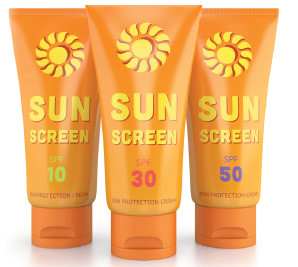
Protect your skin from the sun
A strong sunscreen and sun-protective clothing can help keep you safe this summer and every day of the year.
With summer here, it's time to reach for the sunscreen. But not everyone is convinced that skin protection is a necessity. "Older adults grew up at a time when unprotected skin exposure wasn't a cardinal sin, and many I talk to think a little sun is good for them. But older adults are actually at an increased risk for skin cancer, since their skin is no longer able to repair damage as efficiently as it once did," says Dr. Oon Tan, a dermatologist at Harvard-affiliated Massachusetts Eye and Ear Infirmary.
Ask the doctor: Prostate surgery and ED
Q. I am scheduled to have my prostate removed and am concerned about the risk of erectile dysfunction (ED) after the surgery. I've heard that taking an ED drug daily during my recovery could help. Do you recommend this?
A. About half of men lose some erectile function after radical prostatectomy, which removes the entire prostate gland. ED drugs help men to have erections after surgery, but so far research has not shown that taking it daily produces better results than taking the medication as-needed—when you anticipate sexual activity.

Gain more weight, get more GERD
Maintaining a healthy weight is the best way to rein in gastroesophageal reflux disease (GERD), or chronic heartburn, according to a study in The American Journal of Gastroenterology. Researchers found that GERD symptoms increased for every incremental rise in body mass index (BMI), which measures the ratio of weight to height.
In GERD, the acidic contents of the stomach back up into the lower esophagus, causing burning pain. The most effective treatment for GERD is taking an acid-reducing proton-pump inhibitor medication, such as omeprazole (Prilosec). People who are overweight are much more likely to develop GERD.
CoQ10: Should you take this popular supplement if you're on a statin?
Microplastics: A hidden health threat?
Oat vs. dairy milk: Nutrition, benefits, and downsides
What is tempeh? Benefits, nutrition, and how to use it
Healing after food poisoning
Children of centenarians may stay healthier and live longer too, study finds
Light exposure at night may raise risk for heart disease
A lumbar belt may help ease low back pain
Whole grains may improve several heart risk factors at once
Signs of pneumonia: Sometimes vague and unexpected
Free Healthbeat Signup
Get the latest in health news delivered to your inbox!
Sign Up
