

Naturally gluten-free foods

Harvard study: Healthier fats linked to longer life after prostate cancer diagnosis

Shingrix shingles vaccine linked with lower heart disease risks
Estrogen-only hormone therapy tied to lower dementia risk

Should you have a hysterectomy?

Stair climbing may significantly lower cardiovascular risks

Why do I sweat so much?

Walking pneumonia: The "mild" illness that can still pack a punch

What causes knee pain: How doctors make a diagnosis
Where you carry excess weight matters in predicting heart disease risk
Brain health Archive
Articles
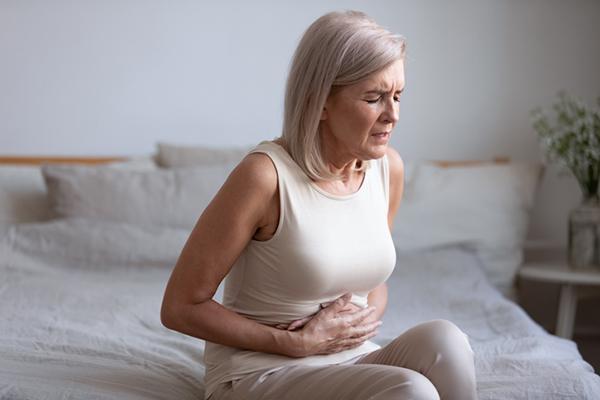
What is gastroparesis and how can it be managed?
A diagnosis of gastroparesis can be confusing and worrisome. Learn what's happening in the stomach and which steps may help relieve symptoms.
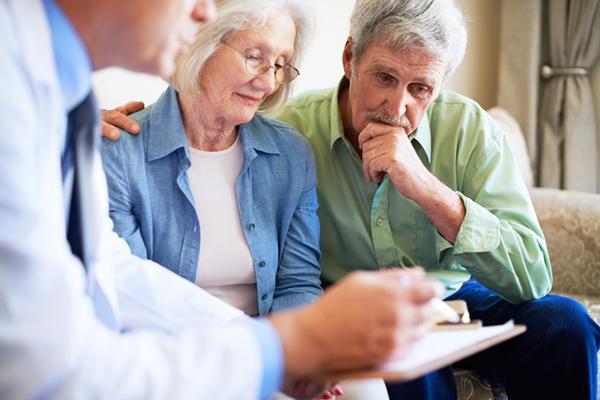
Could an unexplained blackout have been a seizure?
A blackout can be frightening and confusing. Learn what clues doctors look for and which tests help uncover the cause.

Is occasional forgetfulness a normal part of aging?
Name slips and misplaced keys can feel unsettling in your 70s. Learn which memory changes are typical and when they might signal something more.

Which foods and drinks are most likely to trigger headaches?
From red wine to ice cream, everyday favorites can spark headaches in some people. Learn how to spot your personal food-related headache triggers.

Can vitamins and natural supplements help prevent frequent headaches?
Some vitamins and supplements show limited benefit for certain types of headache. Good sleep habits, stress reduction, and other lifestyle changes can also help.

What causes red wine headaches?
Red wine headaches are a common phenomenon. Scientists believe they're due to a flavonoid called quercetin, which may block a key enzyme that breaks down alcohol in the liver and allows the buildup of a chemical called acetaldehyde that can trigger headaches.
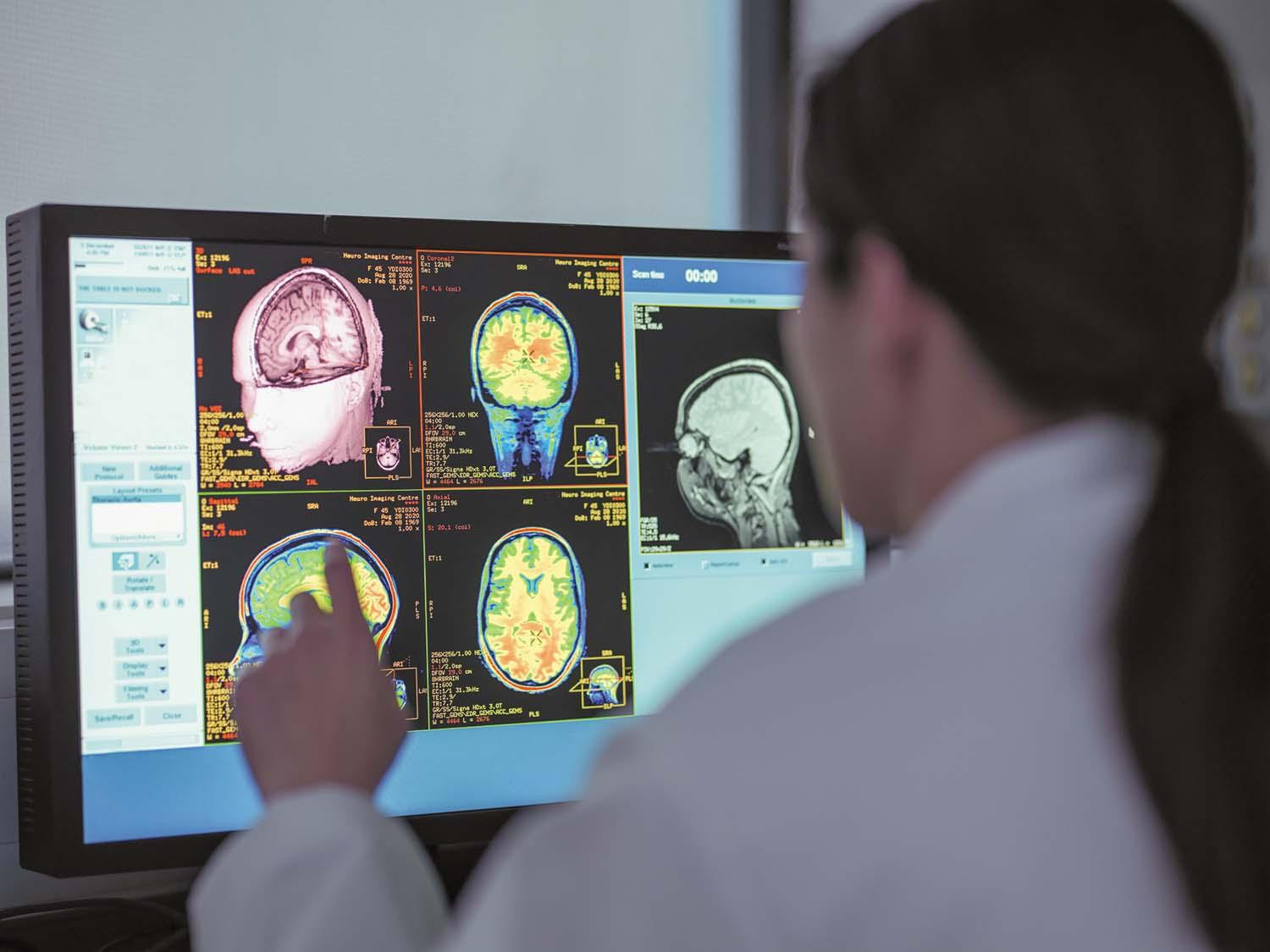
Can our brain talk to our immune system?
A 2025 study of 250 people found that the brain can tell the immune system to prepare for impending infection even before a microbe enters the body. Scientists asked volunteers to don virtual reality headsets that showed various virtual people approaching them. Some of those approaching appeared to be healthy and others appeared to be sick. Brain scans and blood tests showed that participants' brains activated their immune systems when a virtual sick person simply came near them.
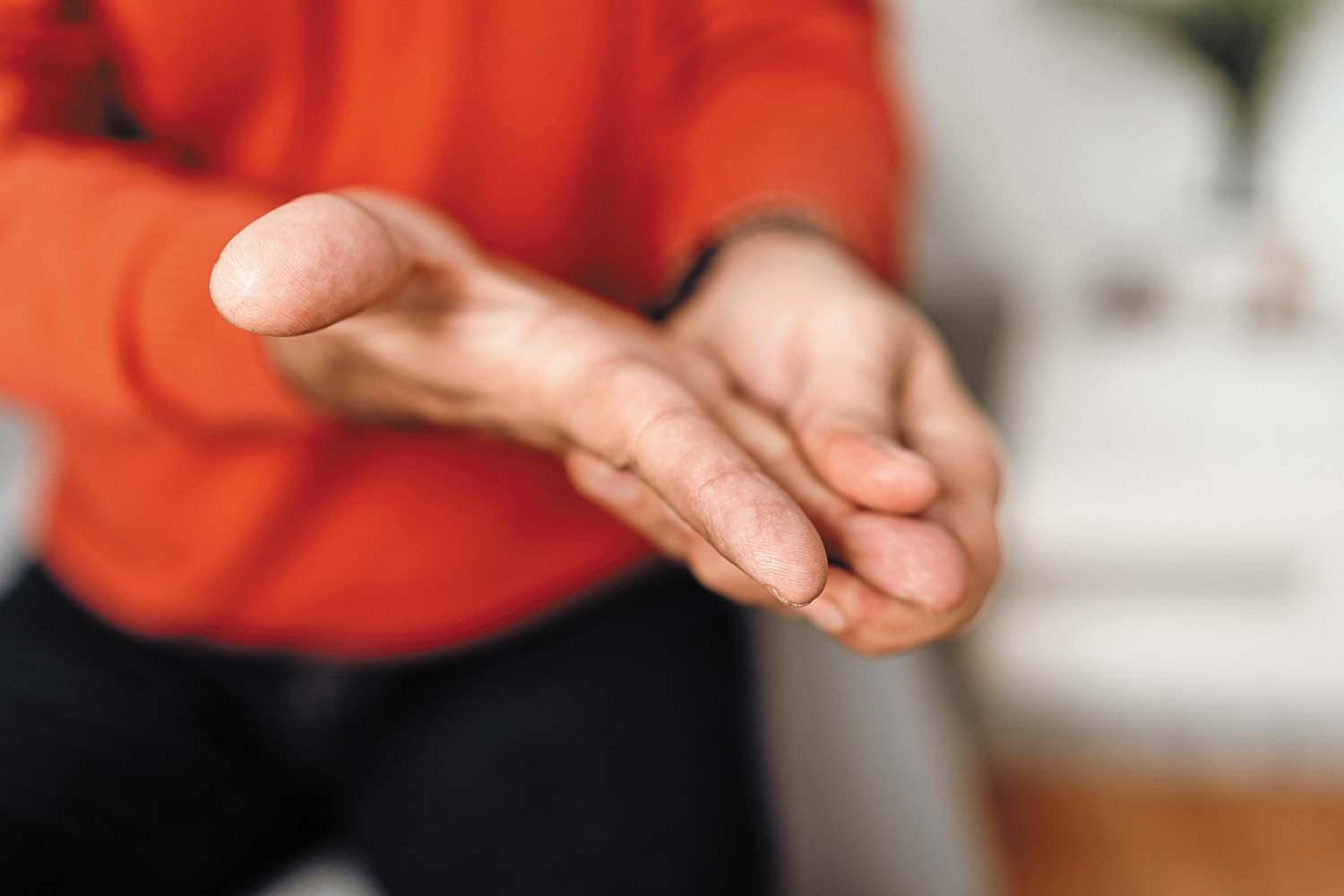
What is essential tremor?
Essential tremor is marked by involuntary shaking of one or more body parts, such as the hands, arms, legs, or head. Avoiding caffeine and stress and getting plenty of rest can be helpful. Several medications are available to ease the symptoms.

My calcium score is over 2,000. What's next?
People with very high calcium scores (over 1,000) have a risk of heart attack or stroke similar to those who have already had a heart attack. They should take cholesterol-lowering drugs to bring down LDL levels and possibly undergo additional testing.
Naturally gluten-free foods
Harvard study: Healthier fats linked to longer life after prostate cancer diagnosis
Shingrix shingles vaccine linked with lower heart disease risks
Estrogen-only hormone therapy tied to lower dementia risk
Should you have a hysterectomy?
Stair climbing may significantly lower cardiovascular risks
Why do I sweat so much?
Walking pneumonia: The "mild" illness that can still pack a punch
What causes knee pain: How doctors make a diagnosis
Where you carry excess weight matters in predicting heart disease risk
Free Healthbeat Signup
Get the latest in health news delivered to your inbox!
Sign Up
