What is gastroparesis and how can it be managed?
Ask the doctor

Q. My doctor recently diagnosed my mother with gastroparesis. What does that mean? Is there treatment?
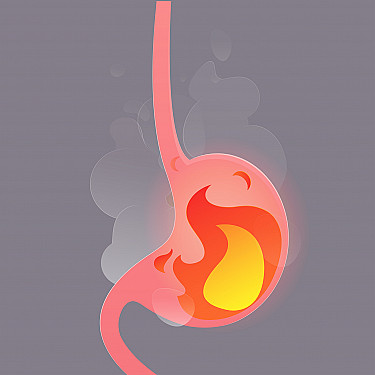
A. Gastroparesis is the term used for sluggish emptying of food from the stomach into the small intestine.
Normally, your stomach moves about half of an average meal into the small intestine within two hours after you eat, and about 90% within four hours. If you have gastroparesis, food stays in the stomach much longer.
Nausea and upper abdominal pain are common symptoms. It may become difficult to keep a full meal down. People with serious cases may eat so little they become dangerously thin and malnourished.
Gastroparesis has a number of causes, and diabetes often tops the list. A wide variety of medications can slow stomach emptying. Examples include:
- antihistamines
- tricyclic antidepressants
- narcotic painkillers (codeine, oxycodone, others).
Some people suffer from gastroparesis after they recover from a gastrointestinal viral infection. Neurological diseases such as multiple sclerosis and Parkinson's disease can also affect how well the stomach does its job.
Treating gastroparesis is a challenge for patients and their doctors. There's no wonder drug. And surgery is not an answer.
One of the first things people can do is to limit - or even avoid - fatty and fiber-rich foods that are known to linger in the stomach. Eating frequent small meals rather than three large ones is recommended. If diabetes is the presumed cause, then optimal blood sugar control should be a goal.
Doctors often prescribe metoclopramide (Reglan, generic versions) to help speed up stomach emptying. Another option is low-dose erythromycin.
Image: © fizkes/Getty Images
About the Author

Howard E. LeWine, MD, Chief Medical Editor, Harvard Health Publishing; Editorial Advisory Board Member, Harvard Health Publishing
Disclaimer:
As a service to our readers, Harvard Health Publishing provides access to our library of archived content. Please note the date of last review or update on all articles.
No content on this site, regardless of date, should ever be used as a substitute for direct medical advice from your doctor or other qualified clinician.