

Naturally gluten-free foods

Harvard study: Healthier fats linked to longer life after prostate cancer diagnosis

Shingrix shingles vaccine linked with lower heart disease risks

Estrogen-only hormone therapy tied to lower dementia risk

Should you have a hysterectomy?

Stair climbing may significantly lower cardiovascular risks

Why do I sweat so much?

Walking pneumonia: The "mild" illness that can still pack a punch

What causes knee pain: How doctors make a diagnosis

Where you carry excess weight matters in predicting heart disease risk
Brain health Archive
Articles


Oh, my aching jaw
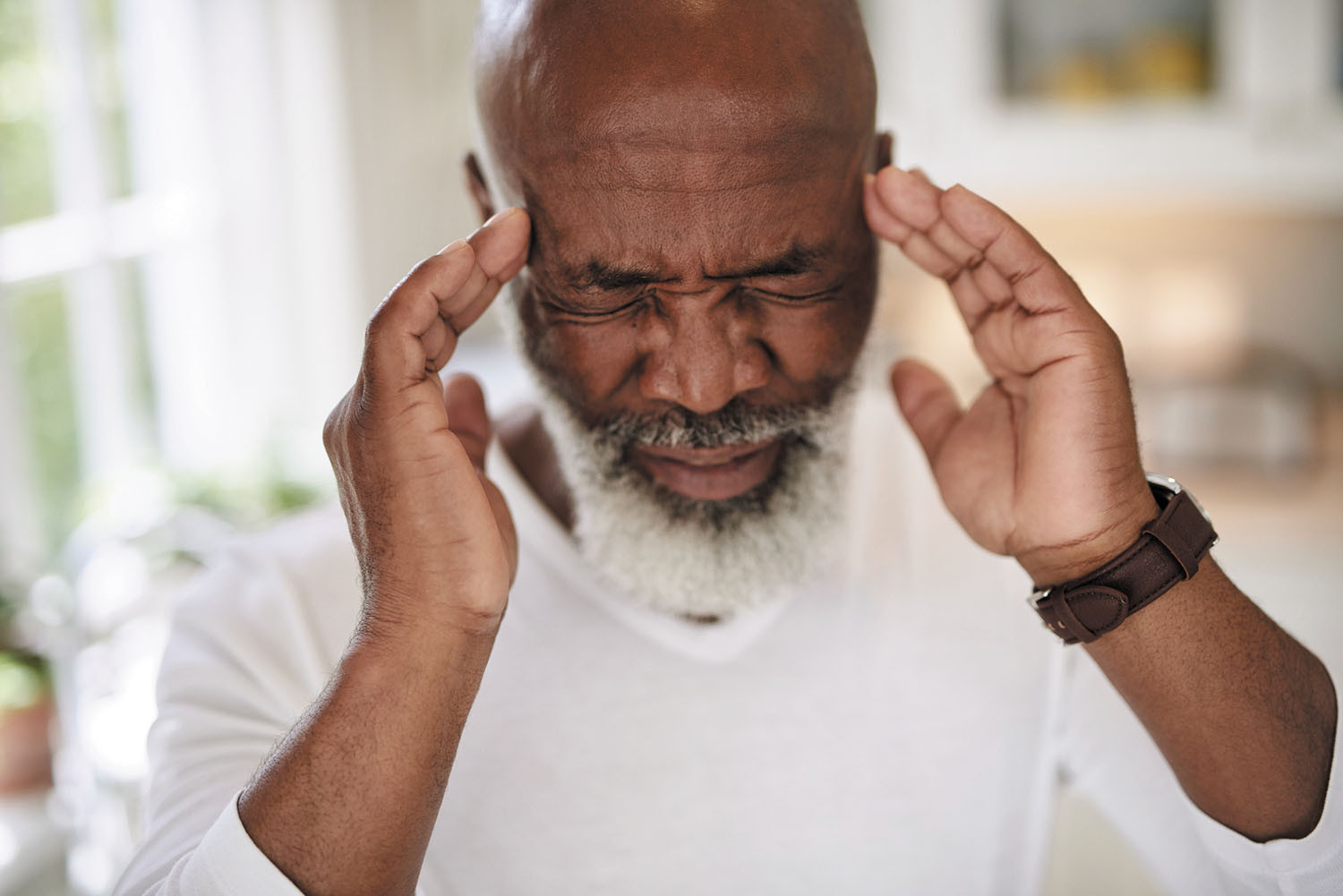
There are different underlying reasons for the types of orofacial pain commonly called temporomandibular joint problems, or TMJ. Not all of them are caused by problems with the joint itself, and specialists are getting better at diagnosing them. Orofacial pain may result from a joint problem, a muscle-based problem, a headache syndrome, or a pain processing problem.


Should you worry about prediabetes?
Approximately 88 million Americans—more than one in three—have prediabetes, a condition in which the average amount of sugar in the blood (glucose) is high but not high enough to be diagnosed as diabetes. Among people who develop prediabetes, older ones are less likely than younger ones to eventually develop full-blown diabetes. Still, they should have their glucose levels checked, as prediabetes can put them at high risk for heart attack and stroke.

Get back your social life to boost thinking, memory, and health
Staying socially active is associated with cognitive benefits and may play a role in longevity, stress reduction, and controlling mood. If a person has been out of touch with friends for a long time, one way to restart contact is to send a brief message asking how they're doing or recalling a shared activity. If the person reciprocates, the next step might be to suggest a meeting, ask to get together, or schedule a catch-up phone call or video chat.


When headaches won't go away
Women are three times more likely than men to get migraine headaches, in part because of the hormone estrogen. A number of different medications are available to prevent migraine and stop them when they first start.


Migraine: A connection to cardiovascular disease?
People who get migraines with aura have a slightly higher risk of heart attack, stroke, or death from cardiovascular disease than people who get migraines without aura or no migraines. But migraines are most common in younger women, whose baseline risk of cardiovascular problems is very low in the first place. Still, those who get migraine with aura should be sure to tell their primary care provider or gynecologist. Taking estrogen-containing birth control pills or hormone therapy may further raise stroke risk in these women.
Naturally gluten-free foods
Harvard study: Healthier fats linked to longer life after prostate cancer diagnosis
Shingrix shingles vaccine linked with lower heart disease risks
Estrogen-only hormone therapy tied to lower dementia risk
Should you have a hysterectomy?
Stair climbing may significantly lower cardiovascular risks
Why do I sweat so much?
Walking pneumonia: The "mild" illness that can still pack a punch
What causes knee pain: How doctors make a diagnosis
Where you carry excess weight matters in predicting heart disease risk
Free Healthbeat Signup
Get the latest in health news delivered to your inbox!
Sign Up
