Many older adults get health information from self-defined experts online
How PMOS (once called PCOS) affects women after menopause

Eating more soy and other legumes might ward off high blood pressure

Surgery for a torn meniscus appears to offer no benefit

AI in healthcare: Can a chatbot answer your medical questions?

Increasing daily steps may boost surgical recovery
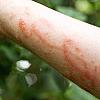
Poison ivy rash: Symptoms, treatment, and prevention

Taming high blood pressure: How doctors find the right drug mix

Easy ways to add tofu to your diet
Insufficient sleep linked to higher risk of atrial fibrillation
Controlling your blood pressure
- Reviewed by Susan Weaver, MD, MPH, Contributor
Blood pressure is essential for circulation, allowing blood to move from the heart to the brain and the toes and back again. The heart provides the driving force — each contraction of the left ventricle, the heart's main pumping chamber, creates a wave of pressure that passes through all the arteries in the body. Relaxed and flexible arteries offer a healthy amount of resistance to each pulse of blood.
But too much of a good thing can be a bad thing. Arteries that are tensed, constricted, or rigid offer more resistance. This contributes to higher blood pressure, and it forces the heart to work harder. And the relentless pounding of blood against the walls of arteries causes them to become hard and narrow. Eventually, high blood pressure damages not just the blood vessels themselves, but also the heart, brain, kidneys, and eyes, increasing your chances of developing heart disease, stroke, kidney disease, and loss of vision.

What Is blood pressure?
Blood pressure readings have two components:
- Systolic pressure is the top number. It represents the pressure the heart generates when it beats to pump blood to the rest of the body.
- Diastolic pressure is the bottom number. It refers to the pressure in the blood vessels between heartbeats.
Blood pressure is measured in millimeters of mercury (mm Hg). So blood pressure would be expressed, for example, as 120/80 mm Hg.
High blood pressure is diagnosed when one or both of these numbers is too high. High blood pressure is also called hypertension.
Blood pressure categories
What is normal blood pressure? Blood pressure is categorized as follows:
Blood pressure categories |
|||
|
Blood pressure category |
Systolic mm Hg |
Diastolic mm Hg |
|
|
Normal |
Less than 120 |
and |
Less than 80 |
|
Elevated |
120-129 |
and |
Less than 80 |
|
Stage 1 hypertension (high blood pressure) |
130-139 |
or |
80-89 |
|
Stage 2 hypertension (high blood pressure) |
140 or higher |
or |
90 or higher |
|
Severe hypertension (If you don’t have symptoms,* call your health care professional) |
Higher than 180 |
and/or |
Higher than 120 |
|
Hypertensive emergency (If you have any of these symptoms,* call 911) |
Higher than 180 |
and/or |
Higher than 120 |
*Symptoms: Chest pain, shortness of breath, back pain, numbness, weakness, change in vision, or difficulty speaking
Source: American Heart Association.
How do I know if my blood pressure is high?
Usually, hypertension does not directly cause symptoms. When blood pressure is very high, it can cause
- headaches
- dizziness
- fatigue
- shortness of breath.
If high blood pressure does not usually cause symptoms, why worry about it? Because even when high blood pressure is not causing any symptoms, it may be silently damaging many organs, including the
- brain
- eyes
- heart
- kidneys
- arteries throughout the body.
You may not recognize the damage that silent hypertension has been doing to your body until you suddenly experience a heart attack, stroke, and kidney failure.
What's the best way to check your blood pressure?
The diagnosis of hypertension depends on blood pressure readings. Therefore, it's essential that blood pressure be measured carefully.
Whether you take your blood pressure at home using a home blood pressure monitor or in the doctor’s office, you want to get an accurate measurement.
How to measure blood pressure:
- Avoid the following for at least one hour before you have your blood pressure taken:
- strenuous exercise
- smoking
- eating
- drinking caffeinated beverages.
- Be seated for at least five minutes before the reading is taken.
- Keep both feet on the floor, legs uncrossed.
- Do not talk while your blood pressure is being measured.
- Two readings should be recorded and averaged.
If your blood pressure is high, your doctor may examine your eyes, heart, and nervous system to look for evidence of damage from hypertension.
If you are diagnosed with hypertension, other tests may be done to check for organ damage. These tests can include:
- blood tests to check kidney function
- an electrocardiogram (EKG) to look for
- thickening of the heart muscle
- irregular heart rhythms
- a chest x-ray to look for
- enlargement of the heart
- fluid buildup in the lungs due to heart failure.
Can high blood pressure be prevented?
Lifestyle changes can help prevent high blood pressure. Adopt the following heart-healthy habits:
- Get regular aerobic exercise.
- Limit your intake of salt and alcoholic beverages.
- Eat a diet rich in fruits and vegetables and low in saturated fats.
- Avoid smoking.
- Maintain a healthy body weight.
Hypertension increases your risk of heart attack and stroke, so it is important to also pay attention to other risk factors, such as high LDL (bad) cholesterol.
You may be able to sufficiently reduce high blood pressure with lifestyle changes alone. Simply changing what you eat and drink can bring down systolic blood pressure by as much as 11 points, according to some estimates.
Who needs treatment to lower blood pressure?
Elevated blood pressure. If your blood pressure is elevated, meaning the first number (systolic blood pressure) falls in the range of 120 to 129 while the second number (diastolic blood pressure) remains below 80, medication is not recommended.
Instead, you should focus on healthy lifestyle changes:
- a diet high in fruits and vegetables
- less salt and saturated fats
- more activity
- weight loss if you're overweight
- limiting your alcohol to moderate amounts.
Stage 1 hypertension. You have stage 1 hypertension if your systolic blood pressure is 130 to 139, your diastolic pressure is 80 to 89, or both. Your doctor may suggest a trial of lifestyle changes first, if you don't have heart disease and you have a low risk of developing it over the next 10 years. But many people find that they need to take some type of medication in order to reduce their blood pressure to healthier levels.
Stage 2 hypertension. You have stage 2 hypertension if your systolic pressure is at least 140 mm Hg, your diastolic pressure is at least 90 mm Hg, or both. In addition to lifestyle modifications, you will likely need to start medication to lower your blood pressure. Lifestyle changes like losing weight, decreasing stress, eating healthier, and exercising daily can work hand in hand with medication, possibly reducing the amount of medicine you need.
Examples of commonly used antihypertensive medications include:
- diuretics
- ACE inhibitors
- angiotensin-receptor blockers (ARBs)
- calcium channel blockers.
People with diabetes, kidney disease, or heart problems are at higher risk of complications from hypertension. As a result, they are usually treated more aggressively with medications.
Many older adults get health information from self-defined experts online
How PMOS (once called PCOS) affects women after menopause
Eating more soy and other legumes might ward off high blood pressure
Surgery for a torn meniscus appears to offer no benefit
AI in healthcare: Can a chatbot answer your medical questions?
Increasing daily steps may boost surgical recovery
Poison ivy rash: Symptoms, treatment, and prevention
Taming high blood pressure: How doctors find the right drug mix
Easy ways to add tofu to your diet
Insufficient sleep linked to higher risk of atrial fibrillation
Free Healthbeat Signup
Get the latest in health news delivered to your inbox!
Sign Up