

CoQ10: Should you take this popular supplement if you're on a statin?

Microplastics: A hidden health threat?

Oat vs. dairy milk: Nutrition, benefits, and downsides

What is tempeh? Benefits, nutrition, and how to use it

Healing after food poisoning

Children of centenarians may stay healthier and live longer too, study finds

Light exposure at night may raise risk for heart disease

Whole grains may improve several heart risk factors at once

A lumbar belt may help ease low back pain

Signs of pneumonia: Sometimes vague and unexpected
Blood Pressure Archive
Articles

Working out while angry? Just don’t do it
Anger or emotional upset may double the risk of having a heart attack. Heavy physical exertion appears to have the same effect. And people who do intense exercise while they’re upset or mad may face three times the risk of heart attack.

Daily tea drinkers may have healthier hearts
People who drink at least one cup of tea daily may be less likely to have cardiovascular problems than those who never drink tea.
Drugs to prevent heart attacks may also lessen their severity
Medications such as aspirin, statins, ACE inhibitors, and beta blockers are prescribed to certain patients to lower the chance of a first or repeat heart attack. New research shows that they also may reduce the severity of attacks that do occur.
New studies suggest a calcium-rich diet is safe for the heart
A review of 31 studies indicated that calcium intake of 2,500 milligrams or less per day does not increase the risk of developing heart disease in healthy adults.


Pill-free ways to lower high blood pressure
Reduce your dependence on medications with these strategies.
More than a third of all adults in the United States have high blood pressure—a systolic pressure (the top number in a reading) of at least 140 millimeters of mercury (mm Hg), or a diastolic pressure (the bottom number) of at least 90 mm Hg, or both. The condition injures blood vessel walls and forces the heart to work harder, increasing the risk for heart disease and stroke.
Taking medication to treat high blood pressure is just part of the solution.

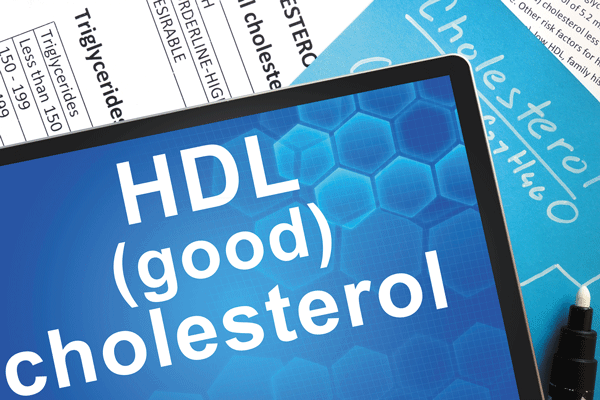
HDL cholesterol: How much is enough?
Research suggests that raising good cholesterol beyond a certain point doesn't offer any extra benefit for the heart.
Image: designer491/Thinkstock
When it comes to cholesterol, it's mostly about the numbers. You want less of the "bad" low-density lipoprotein (LDL) cholesterol and more of the "good" high-density lipoprotein (HDL) kind. This combination is often associated with a lower risk of cardiovascular disease. Sounds simple—and it is, for the most part. But while most attention is spent on driving down bad LDL, you still have to keep your eyes on the good HDL, as some research suggests that after a certain threshold, higher levels don't offer extra protection.
The role of cholesterol
Balancing act
One reason higher HDL may not always be effective is that it needs help to do its job. Another study found that HDL's protective role depends in part on the levels of both LDL and triglycerides (another type of blood fat that helps make up your total cholesterol).
The research, published online May 10, 2016, by Circulation: Cardiovascular Quality and Outcomes, analyzed data over 25 years on about 3,500 people. Researchers looked at people with both low and high HDL levels and those with normal and high levels of LDL and triglycerides.
They found that for optimal protection against cardiovascular disease, there needs to be a balance among all three. Higher HDL (40 mg/dL or higher) helped to reduce cardiovascular disease only when LDL and triglycerides were low (100 mg/dL or less). When LDL and triglycerides rose above 100 mg/dL or 150 mg/DL, respectively, higher HDL had no effect.
The ideal numbers
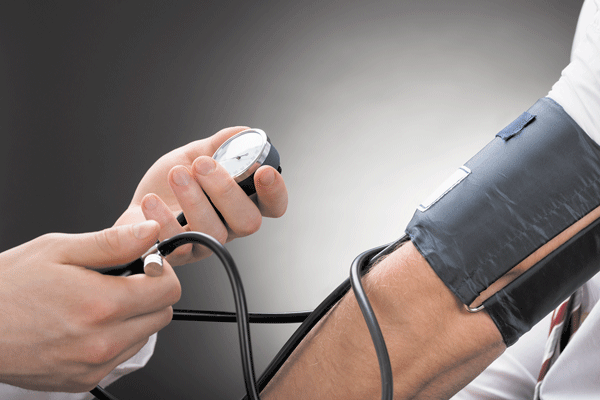
Beware of low diastolic readings when treated for high blood pressure
New research has linked heart tissue damage to blood pressure treatments that drive diastolic pressure (the bottom number in a reading) too low.
CoQ10: Should you take this popular supplement if you're on a statin?
Microplastics: A hidden health threat?
Oat vs. dairy milk: Nutrition, benefits, and downsides
What is tempeh? Benefits, nutrition, and how to use it
Healing after food poisoning
Children of centenarians may stay healthier and live longer too, study finds
Light exposure at night may raise risk for heart disease
Whole grains may improve several heart risk factors at once
A lumbar belt may help ease low back pain
Signs of pneumonia: Sometimes vague and unexpected
Free Healthbeat Signup
Get the latest in health news delivered to your inbox!
Sign Up
