Blood Pressure Archive

Articles

Can you supercharge the Mediterranean diet?

News briefs

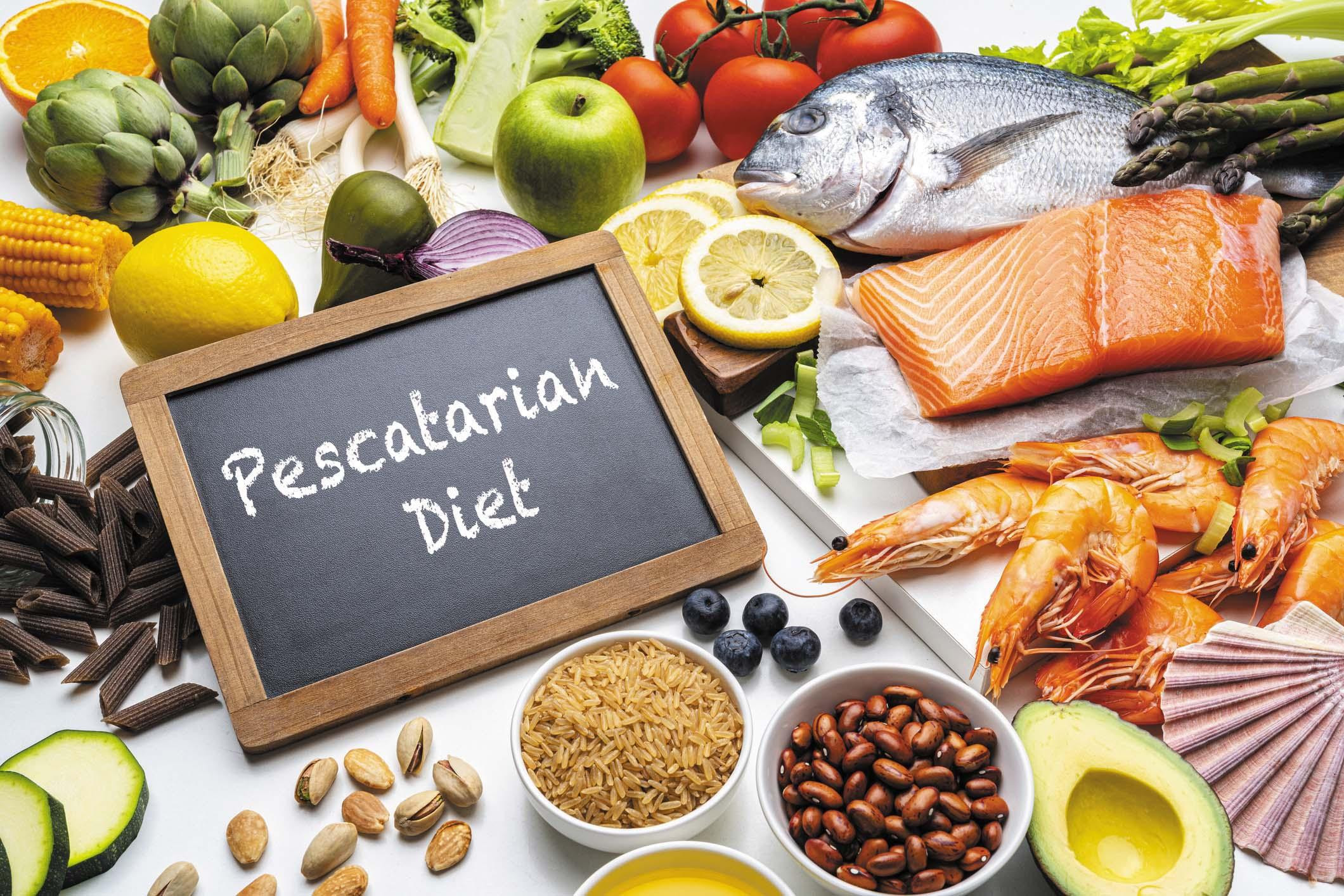
A Mediterranean-style diet is rich in vegetables, legumes, fruits, whole grains, nuts, seeds, poultry, fish, and olive oil, and it's associated with lower risks for heart disease and diabetes. And a "greener" version of the eating style might be even more effective, according to a small, randomized study published online Nov. 23, 2020, by the journal Heart. Researchers — some from Harvard — recruited about 300 sedentary, middle-aged people (mostly men) with high cholesterol or abdominal obesity and divided them into three groups. One received guidance for exercise and a healthy diet; another received exercise guidance and was assigned to eat a calorie-restricted Mediterranean diet; and one group received exercise guidance and was assigned to eat a "greener" calorie-restricted Mediterranean diet with less animal-based and more plant-based proteins (including walnuts and a type of duckweed — an aquatic plant), plus lots of green tea. After six months, people on the "green" diet had lost more weight and inches around their middles, and had bigger drops in cholesterol, than people in the other two groups. "Green" dieters also had steeper declines in insulin resistance, inflammation markers, and diastolic blood pressure (the lower number in the measurement), compared with the other two groups.

Image: © Lilechka75/Getty Images

Fruit of the month: Bananas

Bananas are one of the most popular fruits in the United States, perhaps because they're affordable (about 58 cents per pound, on average) and available year-round.

Among all fruits, bananas are one of best sources of potassium, with about 450 milligrams (mg) per banana. Healthy adults not on certain medications should aim for 4,700 mg of potassium daily, although few Americans meet this goal. A high potassium intake may help reduce high blood pressure and has also been linked to a lower risk of stroke and possibly heart disease.

Cohabitating couples share heart-related habits, risks

Research we're watching

Couples who live together tend to have similar health habits. But only about one in five couples falls into the "ideal" category for heart-healthy habits and risk factors, suggests a study in the Oct. 26, 2020, issue of JAMA Network Open.

Researchers looked at health data on 5,365 couples from diverse racial and economic backgrounds throughout the United States. Most were in their 40s and 50s. Based on risk factors from the American Heart Association's Life's Simple 7 (smoking status, body mass index, exercise, diet, total cholesterol, blood pressure, and fasting blood sugar), researchers categorized individuals and couples as poor, intermediate, or ideal for each factor and over all.

Bad habits come in pairs

Your partner's flawed health behaviors may be harming your heart.

It's been said that the longer couples stay together the more they look alike. As it turns out, the resemblance may be more than skin-deep. A study published online Oct. 26, 2020, by JAMA Network Open found that couples' health behavior and heart disease risk factors also look alike — for better or worse.

"We know, even from personal experience, that couples share similar behaviors that can affect health, but it was surprising to find the high levels of shared unhealthy behaviors within couples," says the study's lead author, Dov Shiffman, a senior scientific fellow at the medical testing company Quest Diagnostics.

An unexpected benefit of better blood pressure control?

New findings challenge the widespread belief that aggressive blood pressure treatment may trigger a condition linked to fainting and falls.

When doctors treat older people with high blood pressure, they often worry about a condition that causes blood pressure to plummet when a person stands up from a seated or lying position. Known as orthostatic hypotension (hypotension means low blood pressure), it affects as many as one in five people ages 65 and older.

Because orthostatic hypotension can make you feel dizzy or lightheaded after standing, it may lead to fainting and falls — with possibly serious repercussions. This concern leads some doctors to ease up on prescribed blood pressure medications. But a new study suggests that practice actually might do more harm than good.

Get FITT to better fight heart disease

If you've been diagnosed with heart disease, the FITT approach can reduce your risk for heart attack and stroke.

About half of all Americans have at least one of the key risk factors for heart disease, such as high cholesterol, high blood pressure, and excess weight.

You can address those risks with a heart-healthy diet and medications to lower blood pressure and cholesterol levels. But perhaps the biggest boost you can give your heart is regular aerobic exercise.

3 supplements that may harm your heart

Labels on the bottles promise better health, but these supplements may wind up hurting you.

Keeping your heart healthy requires a combination of strategies, such as eating a healthy diet, exercising regularly, and managing stress. Adding a dietary supplement may seem like another means of protection.

But be careful. Unlike prescription medications, supplements are often sold without evidence that they work or they're safe. There's no way to know what's really inside pills or potions, since the FDA doesn't evaluate whether the manufacture of supplements is high quality, such as whether the pills are free from impurities. The following supplements may pose heart risks.

Taking steps to avoid high blood pressure

Research we're watching

Walking even at a "casual" pace — covering a mile in 30 minutes — five days a week may lower the odds of high blood pressure in postmenopausal women, a new study finds.

Researchers relied on data from more than 83,000 women ages 50 to 79 who did not have high blood pressure. When they joined the study, they filled out questionnaires about their walking speed and duration. This was followed by yearly questionnaires that included checking for a diagnosis of high blood pressure.

Cooking from — and for — the heart this holiday season

Make some simple swaps to lighten up traditional fare. But feel free to enjoy small servings of favorite treats, too.

'Tis the season to be jolly — and to indulge in favorite holiday foods and beverages. The weeks between Thanksgiving and New Year's Eve are often full of opportunities to feast on foods high in fat and sugar. The average American packs on an extra pound of weight every year, and at least half of that is gained over the holiday season, according to several studies.

To help curtail that trend, which will help your heart as well as your waistline, try some of the alternative or lighter versions of foods and drinks traditionally served during the December holidays, described below. But there's no need to deprive yourself of special favorites that you have just once a year. "You can weave them in with healthier options," says Liz Moore, a dietitian at Harvard-affiliated Beth Israel Deaconess Medical Center.

Medication and your skin

Certain drugs or treatments may affect the skin, causing side effects like excessive dryness or blue spots.

Having problems with your skin? You may want to look in your medicine cabinet. Numerous prescription drugs and even over-the-counter treatments may bring unexpected skin changes, says Dr. Suzanne Olbricht, an associate professor of dermatology at Harvard Medical School. Medications to look out for include the following.

Blood-thinning medications

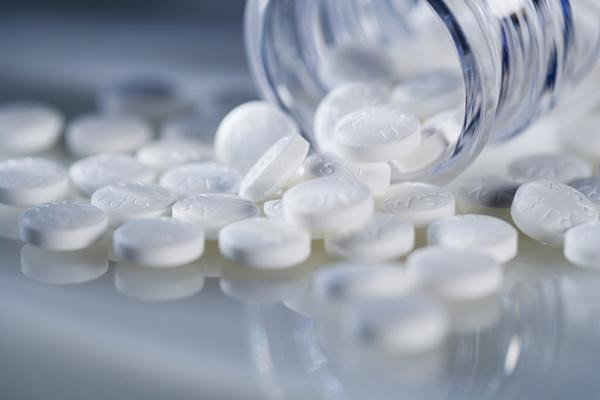
Spontaneous bruising that occurs even without bumping into something becomes more common as you get older. Doctors call it senile or actinic purpura and it happens often in people who take medication to prevent blood clots, such as warfarin (Coumadin) or even a baby aspirin. "As you age, the dermis, the thick middle layer of the skin, begins to thin and doesn't support the blood vessels inside as well as it used to," says Dr. Olbricht. This can make the blood vessels more likely to break. Even the tiniest injury can release blood under the skin, leading to the discoloration and dark purple bruises that characterize this condition.

Free Healthbeat Signup

Get the latest in health news delivered to your inbox!

Sign Up
Harvard Health Publishing Logo

Thanks for visiting. Don't miss your FREE gift.

25 Gut Health Hacks is yours absolutely FREE when you sign up to receive health information from Harvard Medical School.

Sign up to get tips for living a healthy lifestyle, with ways to lessen digestion problems…keep inflammation under control…learn simple exercises to improve your balance…understand your options for cataract treatment…all delivered to your email box FREE.

Harvard Health Publishing Logo

Stay on top of latest health news from Harvard Medical School.

Plus, get a FREE copy of 25 Gut Health Hacks.

Harvard Health Publishing Logo

Stay on top of latest health news from Harvard Medical School.

Plus, get a FREE copy of 25 Gut Health Hacks.