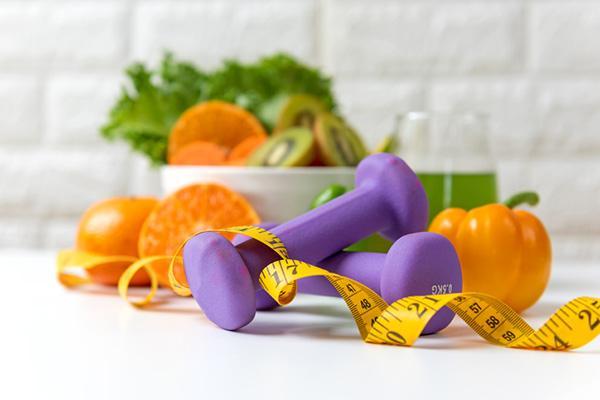
Trying to lose weight? Be careful not to lose muscle
Is your skin problem actually an autoimmune condition?
People with diabetes face higher risk of hearing loss
Antibiotic-free fixes for recurrent UTIs
Musculoskeletal syndrome of menopause: When menopause makes you ache all over
When can older women stop getting mammograms?
To lose weight, especially harmful belly fat, combine diet and exercise
Can men hold off on treating recurring prostate cancer?
The 7 types of rest and why we need them all
What are the early warning signs of cervical cancer?
Controlling Your Blood Pressure Archive
Articles
A tipping point for developing high blood pressure?
Research we're watching
 Image: © Nik01ay/Getty Images
Although conventional wisdom suggests blood pressure rises gradually as people age, that isn't true for everyone, according to new research. However, a systolic blood pressure (the top number in a reading) that regularly goes above 120 to 125 mm Hg may signal impending high blood pressure, regardless of a person's age.
The study included data from 1,252 of the original participants of the Framingham Heart Study, who had their blood pressure measured roughly every two years between 1948 and 2005. Researchers then categorized the participants based on the age at which they received a diagnosis of high blood pressure (in their 40s, 50s, 60s, 70s, or never). They defined high blood pressure by the standard at the time: equal to or over 140/90 mm Hg.
Summer grilling may raise blood pressure risk
Research we're watching
 Image: © Lauri Patterson/Getty Images
Many people switch from stove to grill in the warmer months. But a new study links regular consumption of grilled meat to an elevated risk of high blood pressure. A study presented at the American Heart Association's 2018 Epidemiology and Prevention — Lifestyle and Cardiometabolic Health Scientific Sessions looked at more than 100,000 people in three different studies who ate at least two servings of beef, poultry, or fish each week.
They found that those who grilled their meat or broiled or roasted it at high temperatures more than 15 times each month had a 17% higher risk of high blood pressure than people who grilled, roasted, or broiled less than four times a month.
Noisy workplaces may boost cardiovascular risk factors
Research we're watching
Is your workplace noisy? You may want to keep close tabs on your blood pressure and cholesterol. A CDC study published in the American Journal of Industrial Medicine found that high cholesterol and high blood pressure were more common among workers who toiled in noisy environments.
The study found that 25% of U.S. workers surveyed reported experiencing noise exposure at work. The noisiest industries included mining, construction, and manufacturing.
Traffic noise linked to higher heart disease risk
Research we're watching
 Image: © u_/Getty Images
Roaring jets, rumbling trains, and revving automobiles may have a detrimental effect on your cardiovascular health.
According to a review article in the Feb. 13, 2018, Journal of the American College of Cardiology, many studies have observed a connection between transportation-related noise and a slightly higher risk of high blood pressure, coronary artery disease, stroke, and heart failure. The association persists even after adjustment for possible confounding factors, such as air pollution and socioeconomic status.
5 ways to use less salt
Salt is essential to the body. The sodium in salt helps transmit nerve impulses and contract muscle fibers. It also works with potassium to balance fluid levels in in the body. But you need only a tiny amount of salt to do this — less than one-tenth of a teaspoon per day. The average American gets nearly 20 times that much.
The body can generally rid itself of excess sodium. In some people, though, consuming extra sodium makes the body hold on to water. This increases the amount of fluid flowing through blood vessels, which can increase blood pressure.
The new blood pressure guidelines: Messages you may have missed
The new guidelines set a lower target and emphasize lifestyle changes. Here's why eating less salt is important.
High blood pressure — a major cause of heart attack and stroke — recently became far more prevalent in the United States, but not because people have become suddenly less healthy. Last fall, new guidelines lowered the threshold for diagnosing the condition, which used to be defined as a blood pressure reading of 140/90 millimeters of mercury (mm Hg) or higher. Now, anyone with a reading of 130/80 mm Hg or higher is considered to have high blood pressure (also known as hypertension). Nearly half of adults now fall into this group.
Many cardiologists welcomed the updated guidelines, published in the Nov. 7, 2017, Journal of the American College of Cardiology. "The new guidelines are based upon a growing body of evidence that lower blood pressure values are associated with fewer major adverse cardiovascular events, including heart attacks, strokes, and heart failure," says Dr. Randall Zusman, a hypertension expert at Harvard-affiliated Massachusetts General Hospital. Over all, people with Stage 1 hypertension (see "Blood pressure categories") have double the risk of those events compared with people who have normal blood pressure.
To eat less salt, enjoy the spice of life
Research we're watching
 Image: © Shaiith/Thinkstock
Adding a little extra spice to your food may help you eat less salt, according to a study in the December 2017 issue of Hypertension. A salty diet may raise your risk of high blood pressure, leaving you more prone to heart attack and stroke.
For the study, Chinese researchers recruited 606 people and determined their preferences for salty and spicy foods, in part by asking how often they ate foods such as salted fried pork and pickled Chinese cabbage.
Topical pain relievers may be less risky for the heart than pills
Research we're watching
The pain relievers known as nonsteroidal anti-inflammatory drugs (NSAIDs) help ease the ache of arthritis. But taking these pills regularly can increase blood pressure and worsen heart disease. Now, new research suggests that topical NSAIDs (available by prescription in gel form) may pose less risk than the pills.
Researchers tracked heart attacks, strokes, and other heart-related problems in more than 46,000 people with rheumatoid arthritis over a nine-year period. People who used topical NSAIDs (even those who already had heart disease) had fewer of these cardiovascular events than those who took oral NSAIDs, according to the study, published in the Oct. 27, 2017, Journal of the American Heart Association.
Choosing and using a home blood pressure monitor
These devices help you keep tabs on a key indicator of your cardiovascular health.
Of all the things you measure to assess your health, blood pressure certainly ranks among the most important. High blood pressure not only puts you at risk for a heart attack or a stroke, but also can damage your brain, eyes, and kidneys.
For some people with this common condition, checking blood pressure intermittently at the doctor's office may not be enough. Investing in a simple, inexpensive home blood pressure monitor often makes sense. It's especially helpful when you're starting a new medication or are taking several different ones and still working to reach your blood pressure goal.
Beta blocker blues?
Ask the doctor
Q. My doctor added metoprolol to the diuretic medication I'm taking for my high blood pressure. Ever since then, I've felt more tired than usual, and my wife says I seem a little depressed. Could the new drug be to blame, and if so, is there anything I can do about it?
A. Metoprolol (Lopressor, Toprol) belongs to a class of drugs known as beta blockers. These drugs — which make the heart beat slower and with less force — used to be given as a first-choice treatment for high blood pressure. But they can cause fatigue and depression in some people, as well as other side effects, such as erectile dysfunction.
Trying to lose weight? Be careful not to lose muscle
Is your skin problem actually an autoimmune condition?
People with diabetes face higher risk of hearing loss
Antibiotic-free fixes for recurrent UTIs
Musculoskeletal syndrome of menopause: When menopause makes you ache all over
When can older women stop getting mammograms?
To lose weight, especially harmful belly fat, combine diet and exercise
Can men hold off on treating recurring prostate cancer?
The 7 types of rest and why we need them all
What are the early warning signs of cervical cancer?
Free Healthbeat Signup
Get the latest in health news delivered to your inbox!
Sign Up