

CoQ10: Should you take this popular supplement if you're on a statin?

Microplastics: A hidden health threat?

Oat vs. dairy milk: Nutrition, benefits, and downsides

What is tempeh? Benefits, nutrition, and how to use it

Healing after food poisoning

Children of centenarians may stay healthier and live longer too, study finds

Light exposure at night may raise risk for heart disease

Whole grains may improve several heart risk factors at once

A lumbar belt may help ease low back pain

Signs of pneumonia: Sometimes vague and unexpected
Blood Pressure Archive
Articles

Legume of the month: Red beans
Unlike most bean varieties, which come in earthy, neutral hues, red beans can add a bit of color to your cooking. Like all beans, they're a good source of potassium, a mineral that promotes healthy blood pressure.
Red beans are used throughout the world in a variety of dishes. Red beans and rice is a common meal in the southeastern United States. This Creole-inspired dish features red beans simmered with bell peppers, onions, celery, and spices served over rice. Similar versions are found in Latin American cuisine. In Northern India, rajma chawal is made with red kidney beans, onion, tomato and a blend of spices, including ginger, garlic, coriander, cardamom, and cumin. Chili recipes often include red kidney beans, and they are a key ingredient in three-bean salad, along with garbanzo beans and fresh green beans.

Sleep shortfall linked to higher risk of clogged arteries
Research we're watching
Too little sleep may be hard on your blood vessels, according to a study in the January issue of the Journal of the American College of Cardiology.
For the study, 3,974 healthy, middle-aged people wore watchlike devices called actigraphs for a week to track how long they slept and how often they woke up and moved during the night. The participants also received three-dimensional ultrasounds of arteries in their necks and upper legs and special scans to check their heart arteries.

Moderate drinking may raise the risk of atrial fibrillation
Research we're watching
Both heavy drinking and binge drinking (consuming large amounts of alcohol in a single session) are known to increase a person's risk of atrial fibrillation (afib). But even moderate drinking may leave people more prone to the rapid, irregular heart rhythm, a new study suggests.
The report, published online January 9 by the journal Heart Rhythm, included 75 people with afib. Twenty-five were lifelong nondrinkers, 25 were light drinkers (two to seven drinks per week) and 25 were moderate drinkers (eight to 21 drinks weekly). Each participant underwent special tests that generated a three-dimensional map showing electrical and structural changes in their left atria, the heart's upper-left chamber. These changes reflect the severity of afib.

Walk your way to more flexible arteries?
Research we're watching
The more steps you take per day, the more flexible your arteries may be, a new study suggests. Elastic, flexible arteries are a sign of a healthy cardiovascular system, while stiff, inflexible arteries are a harbinger of heart disease.
Researchers pooled findings from 10 studies that measured people's daily step counts and their arterial stiffness, using a technique called pulse wave velocity. With every heartbeat, a wave of blood travels through the body's network of arteries. Measuring the speed of the pulse wave provides information about how stiff or how flexible the arteries are. The stiffer the arteries, the faster this wave travels.
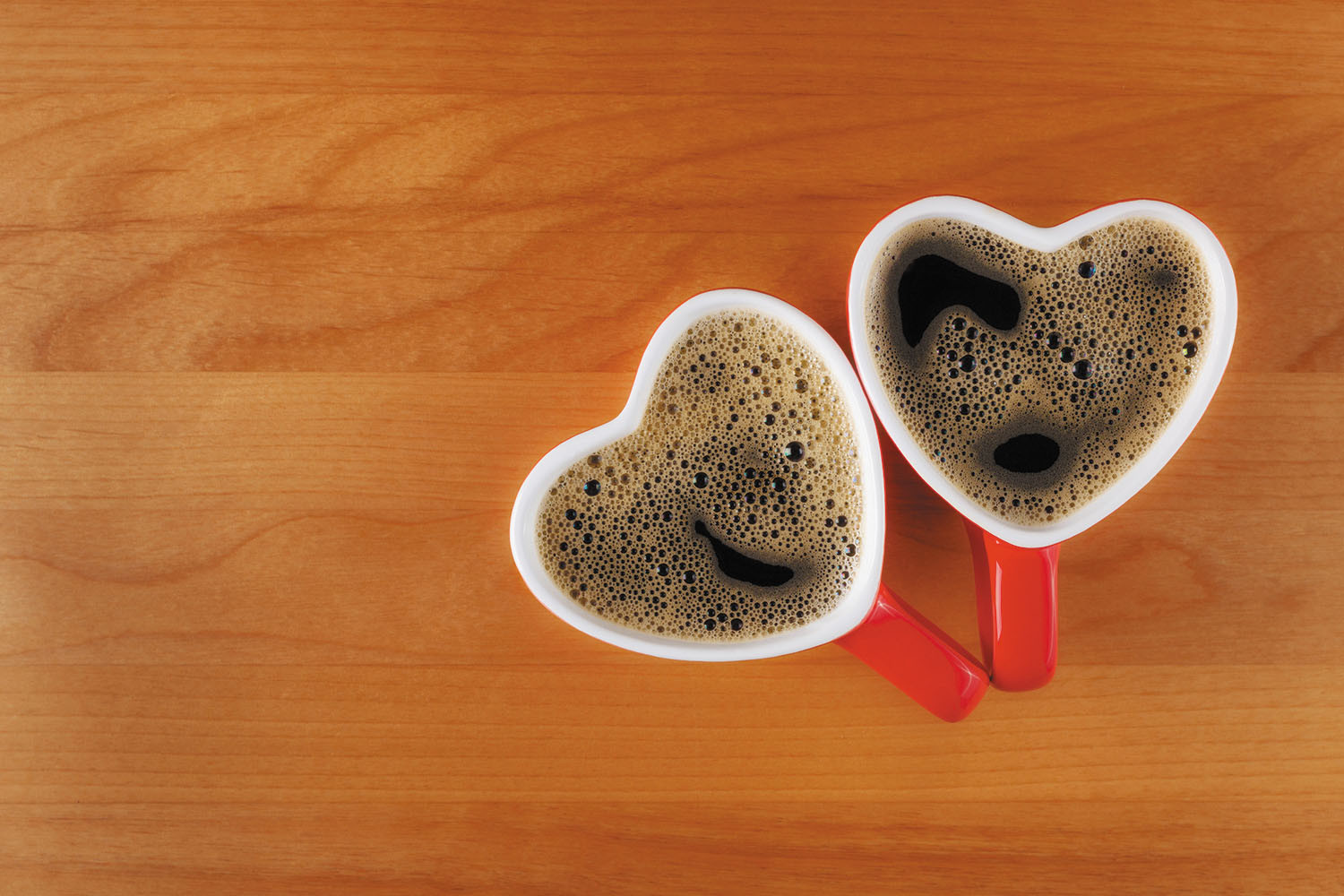
The buzz about caffeine and health
What the latest science says about caffeine's influence on your heart, memory, sex life, and exercise performance.
Americans are jolted with caffeine. On average, about 80% of adults take some form of caffeine every day, according to the FDA, usually from coffee, tea, soda, or energy drinks.
But does all that caffeine have any effect on your health — either good or bad? "While caffeine can give you a temporary mental and physical boost, its impact depends on how much you consume and the source," says Dr. Stephen Juraschek, an internal medicine specialist at Harvard-affiliated Beth Israel Deaconess Medical Center.

The mental side of recovery
Dealing with the emotional effects from a physical setback can be a challenge. These three strategies can help.
The physical repercussions of a major health issue, like surgery, an injury, or a heart attack, are tough enough without having to also confront the stress, anxiety, and depression that often accompanies it. Yet managing your mental health is just as important as your physical health when it comes to making a full recovery.
"There is no question that your state of mind can dictate how quickly you can return from a physical setback," says Dr. Jeff Huffman, director of the cardiac psychiatry research program at Harvard-affiliated Massachusetts General Hospital.

The combo of Mediterranean diet and statins can protect against a fatal second heart attack
In the journals
People who have had a heart attack or a stroke are routinely prescribed a statin to reduce the risk of a repeat event. But by also following a Mediterranean-style diet, they can improve their chance of living longer, suggests a study in the Feb. 1, 2019, issue of the International Journal of Cardiology.
The study looked at 1,180 people, average age 68, who had at least one previous heart attack or stroke, and recorded their statin use and diet intake at the study's beginning. The researchers identified the people who faithfully followed a Mediterranean-style diet. A Mediterranean-style diet involves consuming medium to high amounts of whole fruits and vegetables, whole grains, legumes and nuts, olive oil, and poultry and fish, with limited amounts of red meat, alcohol, and dairy.

High-fiber diet protects against cardiovascular problems
Research we're watching
Want to reduce your risk of cardiovascular disease, diabetes, and colorectal cancer? Eat more fiber, says a meta-analysis published online January 10 by The Lancet.
Authors reviewed data from 185 prospective studies and 58 clinical trials and found that people who ate the most fiber had a 15% to 30% lower risk of dying from cardiovascular disease or developing diabetes or colon cancer, compared with people in the study who ate the least. People appeared to get the biggest benefit when they ate between 25g and 29 g of fiber a day.


CoQ10: Should you take this popular supplement if you're on a statin?
Microplastics: A hidden health threat?
Oat vs. dairy milk: Nutrition, benefits, and downsides
What is tempeh? Benefits, nutrition, and how to use it
Healing after food poisoning
Children of centenarians may stay healthier and live longer too, study finds
Light exposure at night may raise risk for heart disease
Whole grains may improve several heart risk factors at once
A lumbar belt may help ease low back pain
Signs of pneumonia: Sometimes vague and unexpected
Free Healthbeat Signup
Get the latest in health news delivered to your inbox!
Sign Up
