

CoQ10: Should you take this popular supplement if you're on a statin?

Microplastics: A hidden health threat?

Oat vs. dairy milk: Nutrition, benefits, and downsides

What is tempeh? Benefits, nutrition, and how to use it

Healing after food poisoning

Children of centenarians may stay healthier and live longer too, study finds

Light exposure at night may raise risk for heart disease

Whole grains may improve several heart risk factors at once

A lumbar belt may help ease low back pain

Signs of pneumonia: Sometimes vague and unexpected
Blood Pressure Archive
Articles


Ask the doctor: Is bundle branch block serious?
Q. I had an electrocardiogram in preparation for minor surgery. My doctor told me it showed that I have right bundle branch block. Neither he nor my cardiologist are worried about it, but I am. Is this serious?
A. Much of the time, bundle branch block is not serious. If your doctors are telling you it's okay, I would trust them.
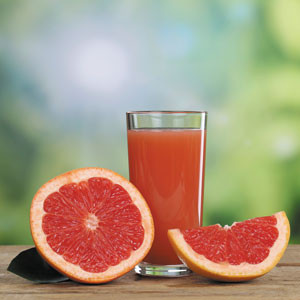
Ask the doctor: Does pomelo juice affect drugs the same way grapefruit juice does?
Q. I avoid grapefruit juice because my doctor says it affects how my body handles the Lipitor I take for my cholesterol. Should I also stay away from pomelo?
A. The pomelo (also called shaddock, pumelo, pommelo, and Chinese grapefruit) is the largest citrus fruit, ranging from the size of a cantaloupe to that of a large watermelon. Botanists believe that crosses between pomelo and wild orange created grapefruit. Pomelo mixes the sweet taste of orange with the tang of lemon. Its lineage means that pomelo contains many of the same compounds as grapefruit.

Feeling woozy when you stand?
It might be orthostatic hypotension, a condition that can be challenging to catch and treat.
You stand up and suddenly feel unsteady on your feet. It's easy to brush off this experience as a fluke or a bug, but don't. You may have a condition called orthostatic hypotension, a temporary drop in blood pressure when you stand. It's tricky to catch.
"Blood pressure is highly variable, and depends on position, timing, the method of measurement, and circumstances associated with its measurement," says Dr. Lewis Lipsitz, chief of gerontology at Harvard-affiliated Beth Israel Deaconess Medical Center and director of the Marcus Institute for Aging Research at Hebrew SeniorLife. "It may take multiple blood pressure measurements at different times of day, lying and standing, in order to detect orthostatic hypotension," Dr. Lipsitz says.

Muscle aches from statins: Real, but sometimes imagined?
The "nocebo effect" may explain why some people believe they can't tolerate statins.
For more than 20 years, cholesterol-lowering statin drugs have been a mainstay for preventing and treating heart disease. But up to half of people prescribed these drugs are no longer taking them within a year or two. The reasons vary, but some people experience what they believe to be statin-related side effects — most often muscle pain. Others avoid statins altogether because of worries over side effects.
"Far too any people think they cannot tolerate statins when they actually can," explains Dr. Jorge Plutzky, director of preventive cardiology at Harvard-affiliated Brigham and Women's Hospital. To be clear, muscle problems are a known side effect of statins. However, serious muscle-related complications are extremely rare (see "What is rhabdomyolysis?"). And when people experience the more common — but less worrisome — muscle-related symptoms, those issues usually resolve with a lower statin dose or a change to a different statin, Dr. Plutzky says.

What happens if my stent stops working?
Ask the doctor
Q. I just got a stent placed in my heart artery and feel great again. If it develops problems, can it be treated?
A. Stents, the tiny wire-mesh tubes used to prop open blocked arteries, are useful for treating heart attacks and chest pain that occurs with physical activity. They're placed during a coronary angioplasty and stenting procedure, which usually involves snaking a thin tube (catheter) through a vessel in the upper thigh or the wrist up to the heart. After more than two decades of use, today's stents are safer and more effective that the original versions. Problems can still arise, but they are uncommon and treatable.

Meal delivery plans: Should you give one a try?
These trendy programs may encourage healthier eating and even weight loss. But consider the cost and sustainability.
For people who don't have the time, energy, or interest to plan and prepare their own meals, a subscription meal delivery service may be an appealing option. A growing number of companies will deliver partly (or even fully) prepped meals right to your door. Many cater to a variety of dietary preferences, including vegetarian and gluten-free. Some are geared toward people seeking to lose weight or who have diabetes, and at least one provides low-sodium meals.
If you're concerned about preventing or treating heart disease, what should you consider before trying one of these plans? That depends on your particular situation, says Kathy McManus, director of the Department of Nutrition at Harvard-affiliated Brigham and Women's Hospital.
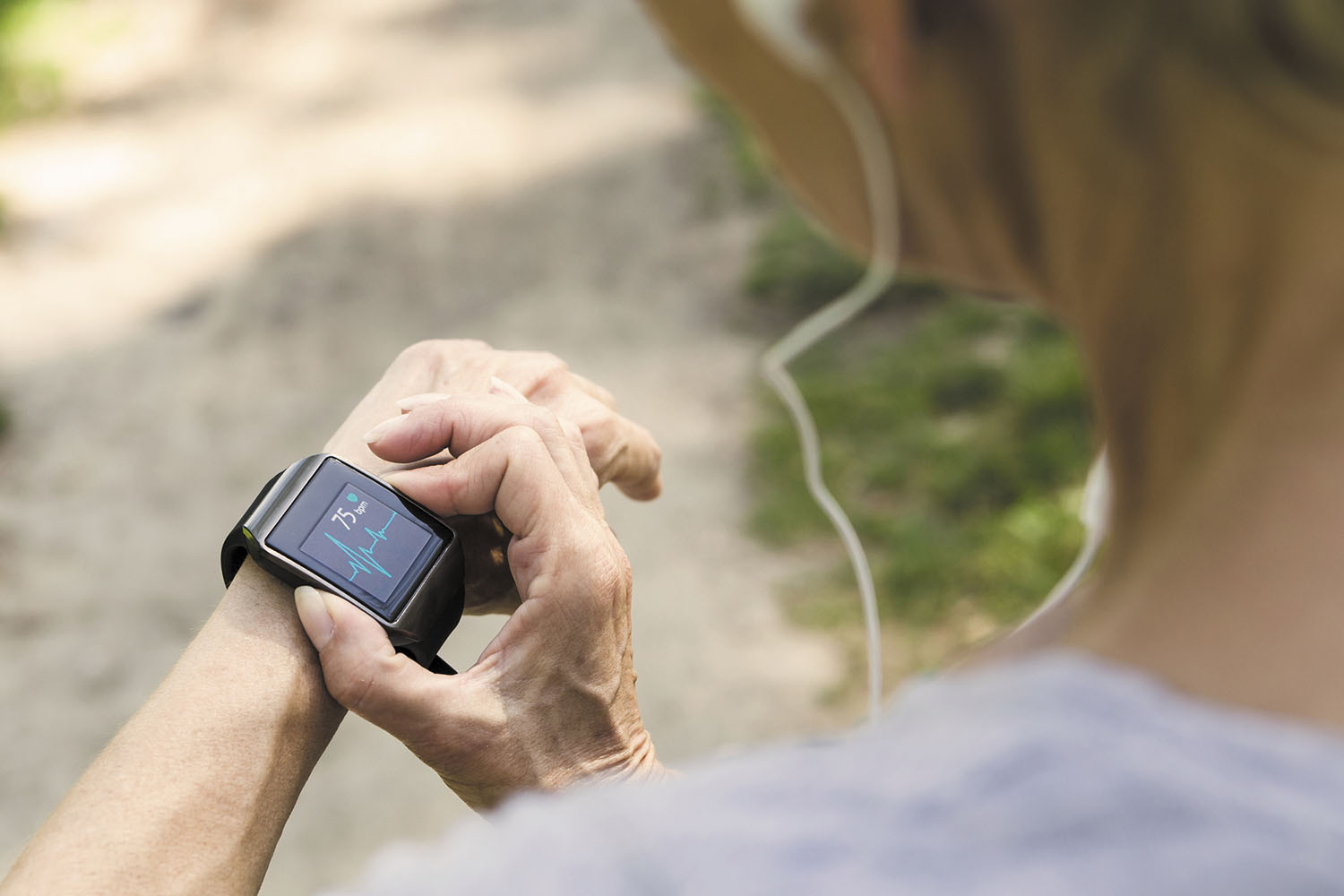
Heart rhythm monitoring with a smartwatch
These wrist-worn devices are better than ever at gathering data. But it's still too early to use them to screen for atrial fibrillation.
The original wristband monitors were pretty basic: they tracked your movement and tallied your daily steps. But before long, these digital devices could also estimate your heart rate, thanks to a sensor that measures changes in blood flow through your skin. Now, there are smartwatches with special sensors that can record a tracing of your heart's electrical signature (electrocardiogram or ECG) and alert you if it detects an irregular rhythm.
Last fall, the FDA granted Apple approval for the ECG sensor and an app that includes an algorithm to detect atrial fibrillation, or afib, the most common heart rhythm disorder (see "What is atrial fibrillation?"). While the Apple Watch Series 4 is the first of its kind to offer this feature, other companies have similar technologies in the works.

How yoga may enhance heart health
In addition to boosting fitness and easing stress, yoga may also help you embrace a healthier lifestyle.
Many people think of yoga mainly as an activity that promotes flexibility and balance. But this ancient tradition also includes breathing exercises, relaxation, and meditation. Together, these practices can lead to measurable improvements in factors connected with cardiovascular health, such as lower blood pressure, better sleep, and less artery-damaging inflammation.
"There are four distinct but interconnected areas in which yoga has specific benefits, not just for heart disease but any disease," says yoga researcher and neuroscientist Dr. Sat Bir Singh Khalsa, assistant professor of medicine at Harvard Medical School. Following are summaries of the four areas.

Deep-vein blood clots: What you need to know
Learn how to recognize and prevent this dangerous condition, known as venous thromboembolism, or VTE.
When a blood clot blocks an artery supplying the heart or the brain, the result is a heart attack or stroke. Most Americans are familiar with these two serious health threats. But they're probably less familiar with the dangers of venous thromboembolism, or VTE — a clot that forms in a vein.
A clot in the leg or arm, known as deep-vein thrombosis, can cause pain, swelling, and redness in the affected limb. But the real threat occurs if the clot breaks off and travels to the lungs, causing a pulmonary embolism.
CoQ10: Should you take this popular supplement if you're on a statin?
Microplastics: A hidden health threat?
Oat vs. dairy milk: Nutrition, benefits, and downsides
What is tempeh? Benefits, nutrition, and how to use it
Healing after food poisoning
Children of centenarians may stay healthier and live longer too, study finds
Light exposure at night may raise risk for heart disease
Whole grains may improve several heart risk factors at once
A lumbar belt may help ease low back pain
Signs of pneumonia: Sometimes vague and unexpected
Free Healthbeat Signup
Get the latest in health news delivered to your inbox!
Sign Up
