

CoQ10: Should you take this popular supplement if you're on a statin?

Microplastics: A hidden health threat?

Oat vs. dairy milk: Nutrition, benefits, and downsides

What is tempeh? Benefits, nutrition, and how to use it

Healing after food poisoning

Children of centenarians may stay healthier and live longer too, study finds

Light exposure at night may raise risk for heart disease

Whole grains may improve several heart risk factors at once

A lumbar belt may help ease low back pain

Signs of pneumonia: Sometimes vague and unexpected
Blood Pressure Archive
Articles

Ministroke: A warning sign of a major problem
Even short-lived, subtle stroke symptoms should be evaluated.
Imagine trying to write a note, but it feels like you're moving the pen through wet concrete. Or you suddenly can't see normally — it's as if a black curtain has dropped over one of your eyes.
If these odd symptoms last for only a few minutes, you might be tempted to brush them off and blame muscle cramps or fatigue. Don't make that mistake, says Dr. Christopher Anderson, director of Acute Stroke Services at Harvard-affiliated Massachusetts General Hospital. Both of the above scenarios are examples of a possible transient ischemic attack (TIA), commonly referred to as a ministroke. Caused by a temporary lack of blood in part of the brain, a TIA is a warning sign that you are at risk for a stroke.

Ask the doctor: Is high blood pressure in the morning a problem?
Q. My blood pressure is high when I first get up in the morning, generally around 160/80, but always drops back to normal (around 120/75) by 11 a.m. and stays that way throughout the day. I take two different blood pressure pills in the morning. What might cause this? Should I make any changes?
A. Blood pressure normally comes down during sleep. It then returns to your usual level just before you wake up.
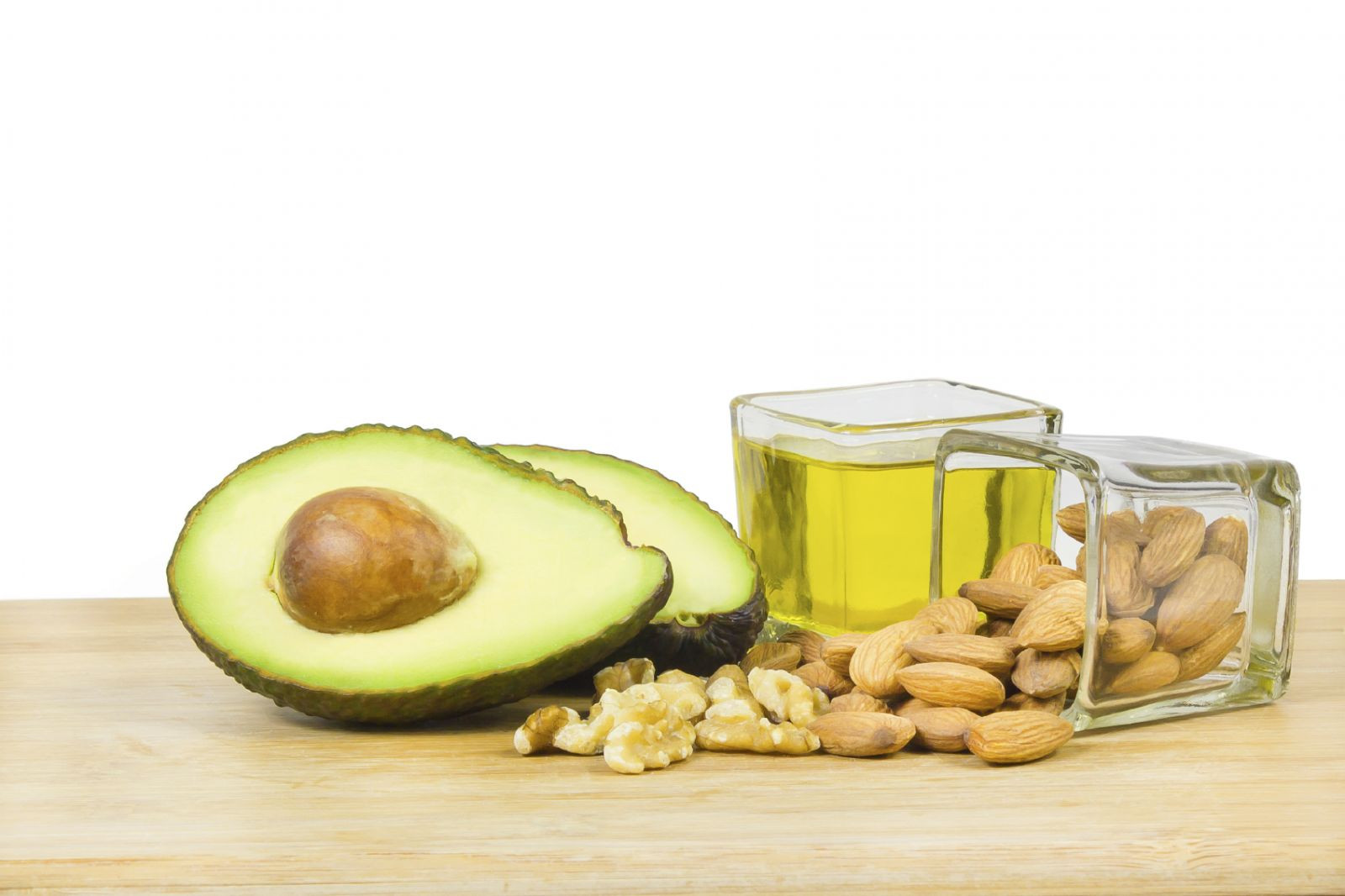
The truth about dietary fat
For years, experts recommended low-fat diets as a way to lower cholesterol and heart disease risk. Today, we know that low-fat isn't the way to go after all. A healthy diet includes plenty of "good-for-you" fats — and limits the unhealthy ones. Current dietary guidelines recommend that you get 20% to 35% of your daily calories from fat. Even more may be fine, if you follow these simple guidelines.
Favor the "good" fats.
The best sources of healthy fats are oily, cold-water fish, such as salmon and tuna; plant sources such as avocados and nuts; and vegetable oils, such as olive, canola, soybean, and cottonseed oils. These fats promote heart health because they lower cholesterol levels — and they may even fight chronic inflammation, which may contribute to heart disease. It's okay to get up to 35% of your daily calories from fat — as long as most of it comes from sources like these.

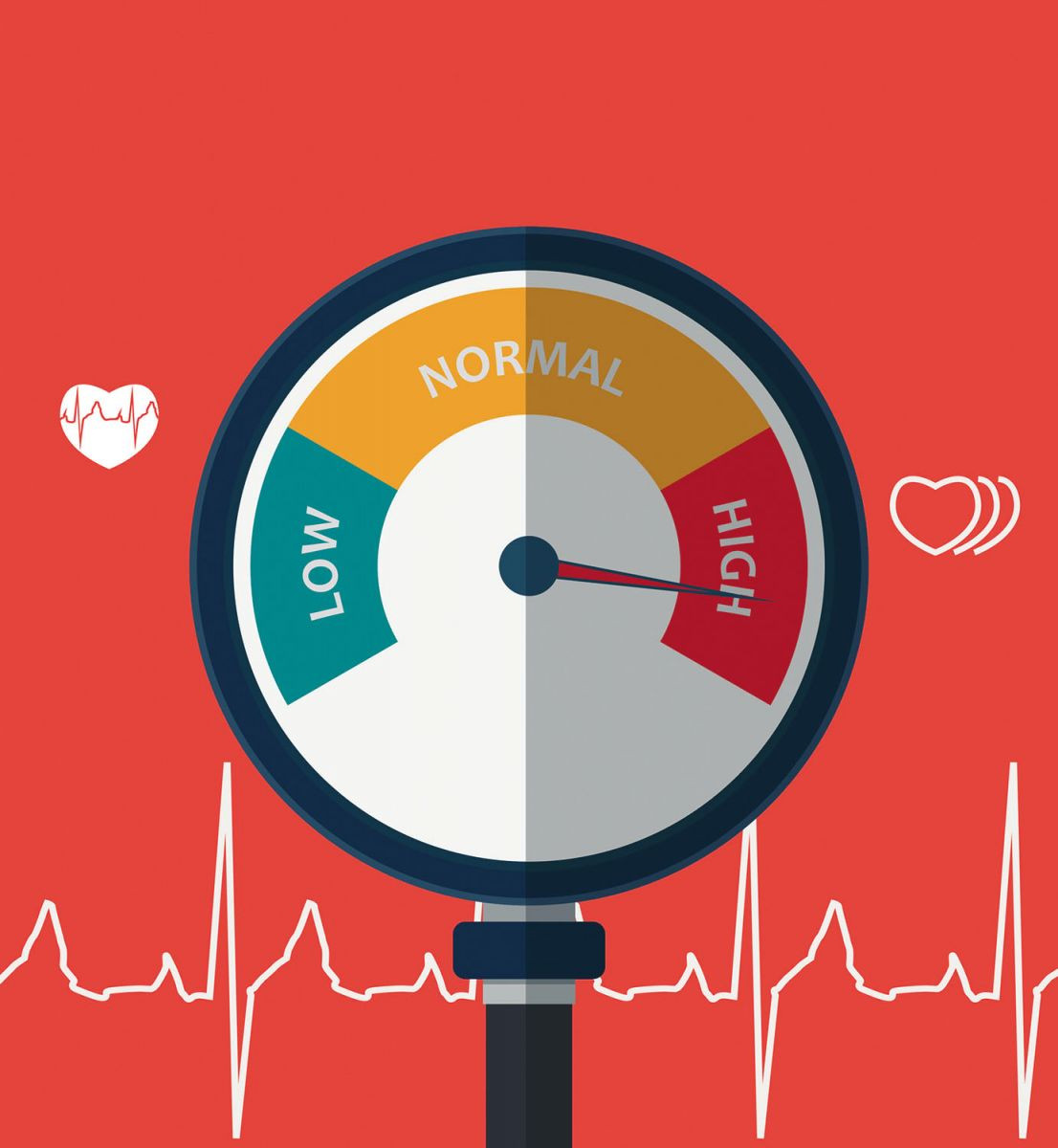
New guidelines for high blood pressure diagnosis and treatment
News briefs
If you haven't talked to your doctor lately about your blood pressure, it may be time for a check-up. The definition of high blood pressure (hypertension) changed in November 2017, when the American College of Cardiology and the American Heart Association released new guidelines for diagnosis and treatment of the condition. High blood pressure used to be diagnosed at a measurement of 140/90 millimeters of mercury (mm Hg) or higher. Now these authorities state that if your blood pressure is 130/80 mm Hg or higher, you have hypertension. A normal blood pressure measurement is the same as it was before: less than 120/80 mm Hg. What if your blood pressure is in between normal and the new hypertension threshold? That's considered "elevated," something that should be watched and addressed with exercise, a healthy diet low in salt, limited alcohol intake (no more than one drink per day for women, one or two drinks per day for men), and weight loss as needed. The new guidelines are based on evidence that having a systolic (top) measurement from 130 to 139 and a diastolic (bottom) measurement from 80 to 89 doubles the risk for having a heart attack, stroke, or other complications.
Image: © eduardrobert/Thinkstock

Avoid these common blood pressure measuring mistakes
This checklist can help ensure accurate readings both at the doctor's office and at home.
Image: © Maica/Getty Images
Blood pressure is a key indicator of cardiovascular health. So it's vitally important to make sure that you check yours regularly — and accurately. But according to the American Heart Association (AHA), health care professionals don't always follow the proper techniques when measuring a person's blood pressure. The AHA cites seven common errors (detailed below) that can lead to an artificially high blood pressure reading.
Plus, there's one additional step that may be overlooked after you get a blood pressure reading of 130/80 mm Hg or higher, a level that defines high blood pressure, says endocrinologist Dr. Naomi Fisher, director of the Hypertension Service and Hypertension Innovation at Brigham and Women's Hospital.

Key minerals to help control blood pressure
It's usually best to get calcium, magnesium, and potassium from food. Are you getting enough?
A healthy, balanced diet plays a major role in blood pressure control. And you should consume some specific minerals on a regular basis for good blood pressure management: calcium, magnesium, and potassium. But do most of us get enough of these? "If you're eating a healthy diet, you probably have nothing to worry about. But people eating a diet of processed and canned foods or taking certain medications might not be getting enough of these micronutrients," says Dr. Randall Zusman, director of the Division of Hypertension at the Massachusetts General Hospital Heart Center.
1/2 cup canned white | 3 ounces of cooked | 1/2 cup cooked spinach: 419 mg potassium, 78 mg of magnesium, and 146 mg of calcium. |
Whole grains associated with longevity, say Harvard researchers
Regularly eating whole grains can help you lower “bad” cholesterol, triglycerides, and blood pressure. A diet rich in whole grains also “is associated with a lower risk of developing cardiovascular disease, type 2 diabetes, metabolic syndrome, and certain types of cancer,” says Dr. Qi Sun, an associate professor at Harvard Medical School.
In a study published in JAMA Internal Medicine, Sun and colleagues reported that eating whole grains may even extend your life. Sun used the diet information of more than 100,000 men and women whose health was followed for more than 20 years. The study found that those who regularly ate whole grains had a 9% lower overall death rate and a 15% lower death rate from heart disease.

8 pill-free ways to lower your blood pressure
A healthy diet that includes plenty of fresh fruit and vegetables can help to lower and control high blood pressure. Images: Thinkstock |
Try losing weight, changing your diet, and exercising.
Sometimes getting your blood pressure under control requires that you take several medications each day, such as a diuretic and a calcium-channel blocker. But some therapies don't involve medication. "People who have drug intolerances or are unwilling to take medications can try pill-free therapy, and it can also be used to make a medication regimen more effective," says Dr. Randall Zusman, a cardiologist and Harvard Medical School associate professor.

Interrupt your sitting time to ward off heart disease
News briefs
There's a silver lining in a recent study that found older women who were sedentary for long chunks of time had a much higher risk for developing cardiovascular disease than women who sat less. The observational study, published Feb. 22, 2019, in Circulation, analyzed activity patterns of more than 5,000 older women (ages 63 to 97) for a week, and then followed them for another five years. Both the total time spent sitting each day and the duration of each period of inactivity was measured with fitness trackers. The key finding: an additional hour of total sedentary time was associated with a 12% higher risk for cardiovascular disease during the follow-up period, and when that sitting time was made up of long uninterrupted sedentary sessions, the risk was far higher (as much as 54%) than when it was accumulated in short, regularly interrupted bouts of sedentary time. The silver lining: reducing sedentary time by an hour per day was linked to a 12% lower risk for cardiovascular disease and a 26% lower risk for developing heart disease during the study period. Even better: researchers say the one-hour reduction each day doesn't have to be accumulated at one time. The moments spent jumping up to get a glass of water, running out to your mailbox, or darting across the house to get the phone can all add up. The key is to interrupt your sitting time with activity that will get your heart and lungs pumping.
Image: © monkeybusinessimages/Getty Images
CoQ10: Should you take this popular supplement if you're on a statin?
Microplastics: A hidden health threat?
Oat vs. dairy milk: Nutrition, benefits, and downsides
What is tempeh? Benefits, nutrition, and how to use it
Healing after food poisoning
Children of centenarians may stay healthier and live longer too, study finds
Light exposure at night may raise risk for heart disease
Whole grains may improve several heart risk factors at once
A lumbar belt may help ease low back pain
Signs of pneumonia: Sometimes vague and unexpected
Free Healthbeat Signup
Get the latest in health news delivered to your inbox!
Sign Up
