

CoQ10: Should you take this popular supplement if you're on a statin?

Microplastics: A hidden health threat?

Oat vs. dairy milk: Nutrition, benefits, and downsides

What is tempeh? Benefits, nutrition, and how to use it

Healing after food poisoning

Children of centenarians may stay healthier and live longer too, study finds

Light exposure at night may raise risk for heart disease

Whole grains may improve several heart risk factors at once

A lumbar belt may help ease low back pain

Signs of pneumonia: Sometimes vague and unexpected
Blood Pressure Archive
Articles

For most people, no need for niacin
Research we're watching
Hundreds of thousands of people in the United States take prescription niacin (also known as vitamin B3) as part of a regimen to prevent heart disease. But a new analysis that was published April 12 in JAMA Network Open suggests this old drug offers no benefit for most people.
The analysis included 35,760 patients from 17 clinical trials documenting the effect of niacin on at least one cardiovascular disease outcome. About half of the people were taking niacin, and the remainder received placebo, usual care, or other lipid-lowering agents. Over all, niacin was not helpful in preventing any serious heart-related events, strokes, or deaths from heart disease.

Does drinking alcohol raise the risk of stroke?
Research we're watching
Contrary to observations that moderate drinking (one or two drinks per day) protects against stroke, a new study finds that stroke risk may rise with increasing alcohol intake.
The findings, which were published online April 4 by The Lancet, come from a study involving 160,000 Chinese adults who reported their drinking habits. They also were tested for gene variants common in Asian populations that cause an unpleasant flushing reaction after drinking. Only 2% of women reported drinking alcohol, compared with 33% of men, so the findings focus mainly on men.


Fiber-full eating for better health and lower cholesterol
Most Americans don't eat enough fiber, and many people say it's because they are worried about eating too many carbs, but eating the right kind of carbs is the key, and it's not that difficult to meet the recommended daily amount.

Ask the doctor: Does exercise help damaged heart muscle?
Q. After my heart attack, my doctor told me that damaged heart muscle cannot be replaced. If this is true, why am I walking on a treadmill five days a week? Is this helping repair the heart muscle damage or strengthen what's left of my heart muscle?
A. Your skeletal muscles can repair themselves after an injury — pull your calf muscle and, after a few days or so, it heals. Until recently, it was believed that the human heart didn't have this capacity. But the heart does have some ability to make new muscle and possibly repair itself. The rate of regeneration is so slow, though, that it can't fix the kind of damage caused by a heart attack. That's why the rapid healing that follows a heart attack creates scar tissue in place of working muscle tissue.
Ask the doctor: Is it okay to travel to a high altitude with high blood pressure?
Q. Some friends invited me to accompany them to Rocky Mountain National Park. I would love to go, but I have high blood pressure and worry that high altitudes are dangerous for people with high blood pressure. Is that the case?
A. If you have high blood pressure but are otherwise healthy, your blood pressure is under control, and you take some precautions, a trip to the Rocky Mountains should be fine.

Peripheral artery disease: Leg pain and much more
Arteries are the vital channels that carry oxygen-rich blood from the heart to all the body's tissues. When blockages develop, blood flow slows and tissues suffer. Blockages in the coronary arteries cause angina and heart attacks; blockages in the arteries that supply blood to the brain cause strokes. But the peripheral arteries that carry blood to the legs and other parts of the body are also vulnerable. Heart attacks and strokes get all the publicity, but peripheral artery disease (PAD) is a major problem that deserves more attention and respect — especially since new methods make diagnosis easier and treatment better than ever before.
What is PAD?
Like most strokes and nearly all heart attacks, PAD (formerly called peripheral vascular disease) is a form of atherosclerosis. Peripheral artery disease begins when LDL ("bad") cholesterol passes from the blood into the wall of an artery. Arteries damaged by high blood pressure, smoking, or diabetes are at particular risk. As the cholesterol builds up, it triggers inflammation, which adds to the damage. Unless treatment halts the process, the cholesterol deposit builds up into a plaque, or blockage, that narrows the artery. Mild narrowing may not produce any symptoms, but moderate narrowing may prevent tissues from getting the blood they need to fuel the extra work of exercise. When blockages are severe, the tissues suffer even during rest. Blood clots can add insult to injury by increasing blockages.
Ask the doctor: Can a nicotine patch boost my blood pressure?
Q. On the day I stopped smoking a few weeks ago, I started using a nicotine patch. When I smoked, my blood pressure was great — 100/70. Now it is up to 160/90. I would hate to stop the patch, since it really helps, but I'm worried that it could cause high blood pressure..
A. First off, congratulations for trying to stop smoking. Every part of your body will benefit if you quit.

Should you increase HDL, and how?
Q: What are the best ways to increase HDL (good) cholesterol levels?
A: Before I answer that question, why bother to increase HDL cholesterol at all? Many studies have found that people with low levels of HDL are at increased risk for heart attacks, strokes, and other complications of arteries diseased by atherosclerosis: that's why we call HDL the "good" cholesterol. Given that, you'd think that raising HDL levels would reduce a person's risk for atherosclerosis. Unfortunately, despite a lot of research, we don't yet know if that's true, nor how best to raise HDL levels.
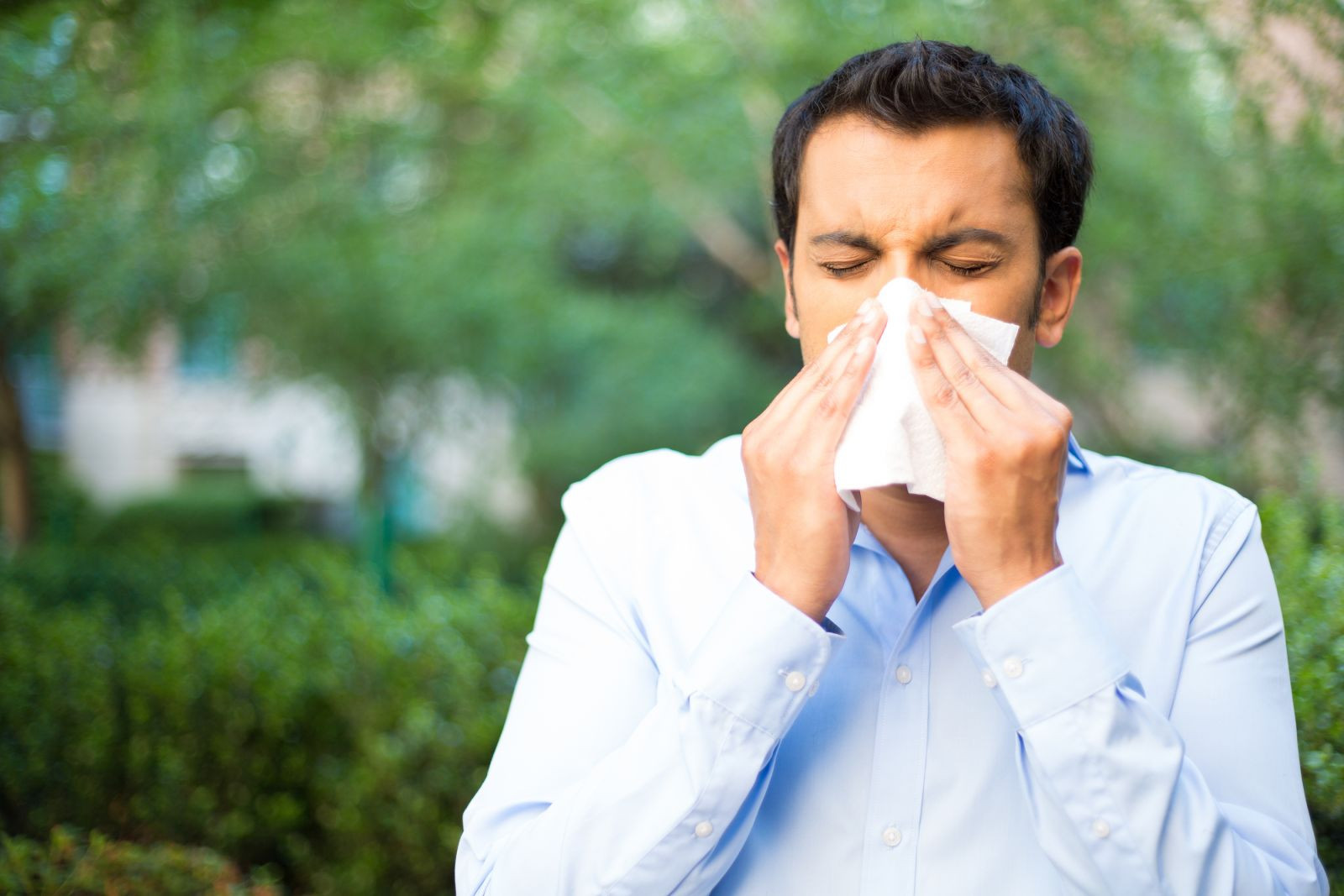
Ask the doctor: Can allergies cause high blood pressure?
Q. I have allergies. Could they be the reason I have high blood pressure?
A. Although allergies don't usually directly increase blood pressure, they can contribute indirectly to high blood pressure in two very different ways.
CoQ10: Should you take this popular supplement if you're on a statin?
Microplastics: A hidden health threat?
Oat vs. dairy milk: Nutrition, benefits, and downsides
What is tempeh? Benefits, nutrition, and how to use it
Healing after food poisoning
Children of centenarians may stay healthier and live longer too, study finds
Light exposure at night may raise risk for heart disease
Whole grains may improve several heart risk factors at once
A lumbar belt may help ease low back pain
Signs of pneumonia: Sometimes vague and unexpected
Free Healthbeat Signup
Get the latest in health news delivered to your inbox!
Sign Up
