

Healing after food poisoning

What is tempeh? Benefits, nutrition, and how to use it

Light exposure at night may raise risk for heart disease

Whole grains may improve several heart risk factors at once

A lumbar belt may help ease low back pain

Children of centenarians may stay healthier and live longer too, study finds

Signs of pneumonia: Sometimes vague and unexpected

The surprising link between ovarian cancer and the fallopian tubes

Using a vibration plate: What it can — and can't — do for your body

People who walk more or walk faster live longer, study finds
Autoimmune diseases Archive
Articles
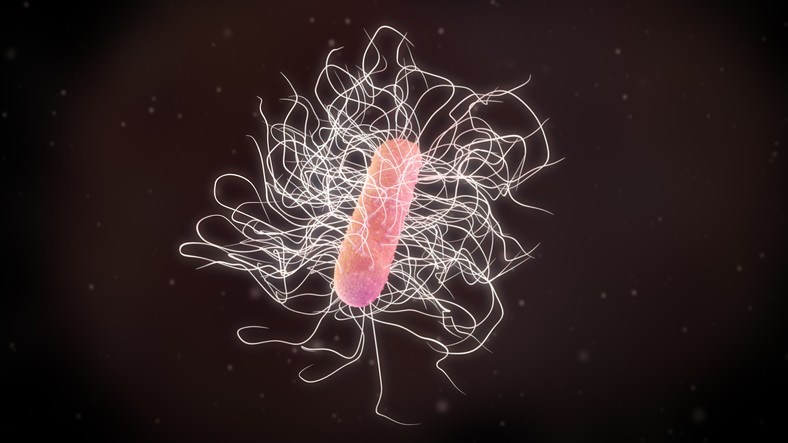
C. difficile (C. diff): An urgent threat
The bacteria known as C. diff has become a leading cause of infection among hospitalized patients. The infection is more common following antibiotic therapy, and it is challenging to treat because of a high relapse rate.

Coronavirus: What parents should know and do
It’s natural for parents to be worried about whether their children could be at risk from the novel coronavirus. While there is much that is still not known, common sense and simple public health precautions will help protect everyone.

Could your breast implants be making you sick?
Many women are reporting symptoms they believe are associated with their breast implants. Sometimes called breast implant illness, this combination of vague symptoms—such as hair loss, fatigue, anxiety, and depression—is also associated with a number of other conditions, including menopause, thyroid problems, and autoimmune conditions. Researchers are now working with patient advocacy groups to better understand the problem. Experts recommend that women understand the potential risks and benefits of breast implants before having the surgical procedure.

The new coronavirus: What we do — and don’t — know
A novel coronavirus outbreak in Wuhan, China, has grown quickly since late December. This primer on what we do –– and don’t –– know can help if you’re concerned about this rapidly evolving public health issue.

Bad flu season predicted — did you get your shot?
This year’s flu season may be severe. Almost everyone should get vaccinated, but which vaccine might be best for you? And how else can you avoid the flu?


Can your CPAP make you sick?
Using a CPAP machine is beneficial for people with obstructive sleep apnea, but if the machine isn’t kept clean it could lead to an illness. There are sanitizing systems available, but cleaning the parts by hand is just as effective.
PrEP prevents HIV — so why aren’t more people taking it?
PrEP (pre-exposure prophylaxis) is a daily medication taken to prevent HIV infection. While multiple studies show PrEP is effective, relatively few of those who might benefit are taking it. Will a 10-year initiative to reduce rates of HIV and a new formulation of PrEP help?
Healing after food poisoning
What is tempeh? Benefits, nutrition, and how to use it
Light exposure at night may raise risk for heart disease
Whole grains may improve several heart risk factors at once
A lumbar belt may help ease low back pain
Children of centenarians may stay healthier and live longer too, study finds
Signs of pneumonia: Sometimes vague and unexpected
The surprising link between ovarian cancer and the fallopian tubes
Using a vibration plate: What it can — and can't — do for your body
People who walk more or walk faster live longer, study finds
Free Healthbeat Signup
Get the latest in health news delivered to your inbox!
Sign Up
