

Healing after food poisoning

What is tempeh? Benefits, nutrition, and how to use it

Light exposure at night may raise risk for heart disease

Whole grains may improve several heart risk factors at once

A lumbar belt may help ease low back pain

Children of centenarians may stay healthier and live longer too, study finds

Signs of pneumonia: Sometimes vague and unexpected

The surprising link between ovarian cancer and the fallopian tubes

Using a vibration plate: What it can — and can't — do for your body

People who walk more or walk faster live longer, study finds
Autoimmune diseases Archive
Articles

Preventing C. diff in and out of the hospital
The bacteria C. diff is responsible for half a million infections each year in the US. Many infections happen when people are hospitalized, but a recent report indicated that people can be infected without ever being hospitalized.

Poliovirus in wastewater: Should we be concerned?
Thanks to vaccination, the US has been polio-free since 1979, and the spread of this disease has been interrupted in most countries. But worldwide eradication of polio has been elusive, and traces of the virus were recently found in wastewater in London.

Recognizing and preventing sun allergies
There are several types of "sun allergies," including polymorphous light eruption (PMLE), hives, and photoallergic reactions. Learn about these different reactions to sun exposure, as well as prevention and treatment.

Answers to questions about long COVID
A troubling aspect of COVID infection is long COVID, also known as post-acute sequelae of SARS-CoV-2 infection, or PASC. PASC is marked by persistent symptoms 30 days or more after a person tests positive for COVID. Also, symptoms suggestive of PASC may emerge many weeks after recovery from the initial infection. Scientists are still learning about PASC, but they have discovered much so far, such as who may be at higher risk, what symptoms are common, how long it may last, and what people can do to protect themselves.

What are the different types of body fat?
Two important types of fat in the body are white fat and brown fat. White fat is located in the chest, abdomen, and upper legs; too much of it constitutes obesity. Its function is to provide insulation against the cold, store fats derived from food, and continually release small amounts of the fats to be converted into energy. Brown fat is found in small amounts in the neck, shoulders, chest, and abdomen. Its main function is to burn the fat it stores, creating heat that keeps the body warm.

Considering pregnancy and have lupus? Plan ahead
In the past, people with lupus were advised to avoid pregnancy because doctors believed it was too risky. That's no longer true: in most cases, following expert guidelines can make a successful pregnancy possible. It's wise to think ahead, and to be aware of some important issues.

New recommendations for pneumococcal vaccination
In January 2022, the CDC published updated recommendations for vaccinating adults against pneumococcal disease and approved two new pneumococcal conjugate vaccines (PCVs).

Study links common virus to MS
A 2022 Harvard study suggests that an Epstein-Barr virus infection, the most common cause of mononucleosis, may trigger multiple sclerosis (MS) in some people.
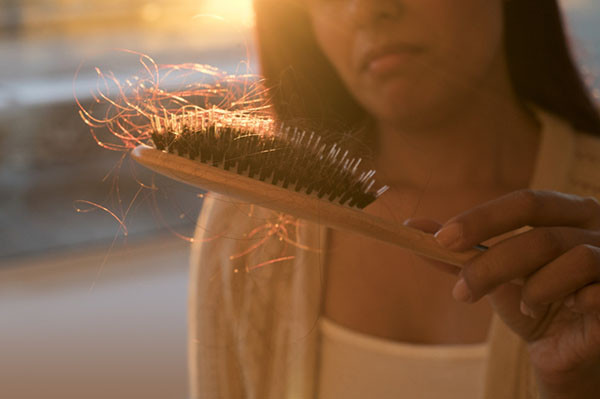
What is alopecia areata and how is it managed?
Hair loss is a common problem for many men and women, but what does it mean to have alopecia? Alopecia areata occurs when the body's immune system attacks hair follicles, resulting in hair loss. AA can affect the scalp, eyebrows, eyelashes, or anywhere hair grows on the body.

Blood donations are down — so why restrict blood donors by sexual orientation?
The blood supply in the US is critically low, but FDA guidelines prohibit men who have sex with men from donating blood if they have been sexually active in the previous three months. All donated blood is tested for a number of transmissible infections, and medical organizations are calling for this policy to be changed.
Healing after food poisoning
What is tempeh? Benefits, nutrition, and how to use it
Light exposure at night may raise risk for heart disease
Whole grains may improve several heart risk factors at once
A lumbar belt may help ease low back pain
Children of centenarians may stay healthier and live longer too, study finds
Signs of pneumonia: Sometimes vague and unexpected
The surprising link between ovarian cancer and the fallopian tubes
Using a vibration plate: What it can — and can't — do for your body
People who walk more or walk faster live longer, study finds
Free Healthbeat Signup
Get the latest in health news delivered to your inbox!
Sign Up
