

Healing after food poisoning

What is tempeh? Benefits, nutrition, and how to use it

Light exposure at night may raise risk for heart disease

Whole grains may improve several heart risk factors at once

A lumbar belt may help ease low back pain

Children of centenarians may stay healthier and live longer too, study finds

Signs of pneumonia: Sometimes vague and unexpected

The surprising link between ovarian cancer and the fallopian tubes

Using a vibration plate: What it can — and can't — do for your body

People who walk more or walk faster live longer, study finds
Autoimmune diseases Archive
Articles

What happened to trusting medical experts?
In all aspects of our lives, we rely on the knowledge and advice of experts. So why are hundreds of thousands of people in the US rejecting advice on COVID-19 from well-respected health authorities, and embracing advice from those with dubious expertise –– and unproven and potentially dangerous remedies?

Reduce the health risks from "forever chemicals"

Can I skip vaccination if I had COVID?
Evidence suggests that people who've had COVID-19 may have some natural protection against the virus, but will have a much stronger immune response if they also get the vaccine.

Can COVID cause diabetes?
COVID-19 infections may raise the risk of developing diabetes, because the virus can damage insulin-producing cells in the pancreas.

Can you get shingles more than once?
It is possible to get shingles more than once. But getting vaccinated with the Shingrix vaccine may help prevent this from occurring.
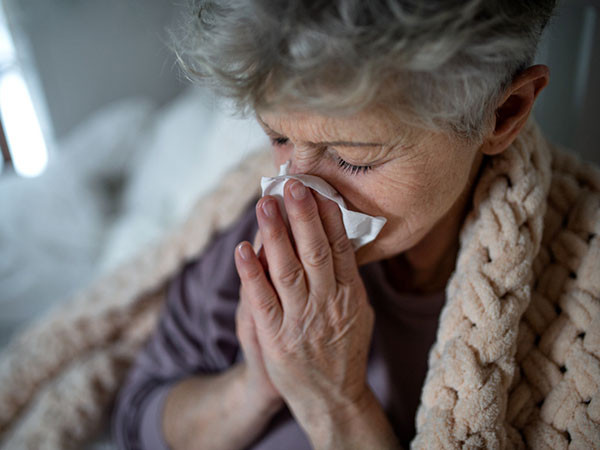
Remember the flu? Yep, it's that time again
Last winter's flu season was mild, partly due to record high rates of flu vaccination and steps people were already taking to protect themselves from COVID-19. But don't let that fool you — some flu seasons are severe, so it it's wise to get a flu shot and take other precautions that can help you stay healthy this winter.

Do people who have COVID-19 go on to develop other diseases?
Evidence suggests that people who recover from COVID-19 have an increased risk for developing new health problems, including heart attacks, high blood pressure, diabetes, high cholesterol, muscle inflammation, blood clots that travel to the lungs, strokes from clots or hemorrhages, or psychosis. This is in addition to permanent damage that can result from having COVID, including damage to the lungs, heart, kidneys, brain, or other organs; and debilitating fatigue, difficulty thinking, and other symptoms that make it hard to function normally at work or at home.

Shingles vaccine may also reduce stroke risk

A vaccine that can prevent shingles

Autoimmune conditions and heart disease
Healing after food poisoning
What is tempeh? Benefits, nutrition, and how to use it
Light exposure at night may raise risk for heart disease
Whole grains may improve several heart risk factors at once
A lumbar belt may help ease low back pain
Children of centenarians may stay healthier and live longer too, study finds
Signs of pneumonia: Sometimes vague and unexpected
The surprising link between ovarian cancer and the fallopian tubes
Using a vibration plate: What it can — and can't — do for your body
People who walk more or walk faster live longer, study finds
Free Healthbeat Signup
Get the latest in health news delivered to your inbox!
Sign Up
