

Oat vs. dairy milk: Nutrition, benefits, and downsides

Microplastics: A hidden health threat?

Healing after food poisoning

What is tempeh? Benefits, nutrition, and how to use it

Light exposure at night may raise risk for heart disease

Whole grains may improve several heart risk factors at once

A lumbar belt may help ease low back pain

Children of centenarians may stay healthier and live longer too, study finds

Signs of pneumonia: Sometimes vague and unexpected

The surprising link between ovarian cancer and the fallopian tubes
Anxiety Archive
Articles

Reading books may add years to your life
An analysis of records of 5,635 participants in the Health and Retirement Study linked regular book reading with a 20% reduced risk of dying over a 12-year period.

Talk to the animals
Animal-assisted therapy can be your best friend when it comes to mental support.
Image: Jevtic /Thinkstock
They say a dog is man's best friend, but when it comes to better health, any type of animal bonding will do.
Research shows that interaction with animals like dogs, cats, and even horses can have both immediate and long-lasting impacts on your mental well-being. Done more formally in a medical context, it's known as animal-assisted therapy (AAT).


Benefits of volunteering: This may be the time to cash in
A study published online Aug. 8, 2016, by BMJ Open found that volunteering seems to confer greater benefits for general well-being in middle and older age than earlier in life.
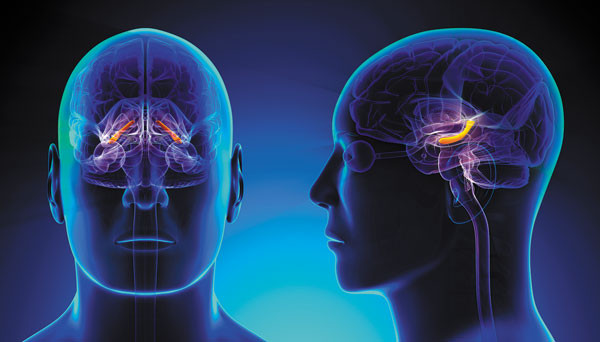
Can you grow new brain cells?
The science of neurogenesis suggests it's possible to create neurons that improve your memory and thinking skills.
Image: Decade3d/ Thinkstock
There are many aspects of aging you cannot prevent, but surprisingly, memory trouble is not one of them.
"The dogma for the longest time was that adult brains couldn't generate any new brain cells. You just use what you were born with," says Dr. Amar Sahay, a neuroscientist with Harvard-affiliated Massachusetts General Hospital. "But the reality is that everyone has the capacity to develop new cells that can help enhance cognitive functions."

Ease your pain by controlling your mind
Lower your dependency on medication by altering your perception of pain.
Image: Cathy Yeulet/ Thinkstock
Everyday pain becomes more constant as you age. It can vary from morning aches to occasional joint flare-ups to recurrent episodes that interfere with your life and overall health.
Yet pain has a valuable role. It alerts your systems to potential injury so you can seek treatment. "Pain is similar to blood pressure, which becomes a problem if the levels become too high," says Dr. Jianren Mao, director of the Harvard-affiliated Massachusetts General Hospital Center for Translational Pain Research. "Only when pain becomes intolerable should you resort to medication or other types of treatment."
Meditation may ease anxiety from active surveillance
A mindfulness-based stress reduction program (MBSR) can help control anxiety among men who follow active surveillance for prostate cancer. The wait-and-see approach can make men feel so uneasy about their condition that they opt for treatment with radiation therapy or surgery when it is unnecessary. MBSR not only eases anxiety levels, but also inspires men to be more proactive about their health and adopt lifestyle changes like a proper diet and exercise.

Treating pain with your brain
Mindfulness can be an effective adjunct to medication for chronic pain.
Image: Tetmc/ Thinkstock
For a long time, people with chronic pain have had to make a trade-off—enduring the discomfort stoically or taking medications that pose additional health risks, including dependence and addiction. But in the last few years, medicine has added another approach that has no troubling side effects: mindfulness.
"Mindfulness is basically paying attention to the present moment without judging," says Dr. Sara Lazar, a neurologist at Harvard-affiliated Massachusetts General Hospital. It is a component of many relaxation techniques, including yoga, deep breathing, tai chi, massage, reflexology, journaling, and prayer.
Behavioral activation therapy effectively treats depression, study finds
British researchers tested whether behavioral activation therapy alone is as effective as cognitive behavioral therapy. The results were almost identical for both groups, with two-thirds of each group reporting a reduction of depressive symptoms of at least 50%.

An approach to therapy that may make depression treatment more accessible
A recent study showed that behavioral activation can be an effective alternative to cognitive behavioral therapy for treating depression. This type of therapy emphasizes engaging in activities that can improve mental health, for example, connecting with people. Its advantage is that it takes less time and is less expensive to train people in behavioral activation so it may mean more therapists available at lower cost.
Oat vs. dairy milk: Nutrition, benefits, and downsides
Microplastics: A hidden health threat?
Healing after food poisoning
What is tempeh? Benefits, nutrition, and how to use it
Light exposure at night may raise risk for heart disease
Whole grains may improve several heart risk factors at once
A lumbar belt may help ease low back pain
Children of centenarians may stay healthier and live longer too, study finds
Signs of pneumonia: Sometimes vague and unexpected
The surprising link between ovarian cancer and the fallopian tubes
Free Healthbeat Signup
Get the latest in health news delivered to your inbox!
Sign Up
